Caption: Spitfire HFIX RAF 93Sqn HNY RR239
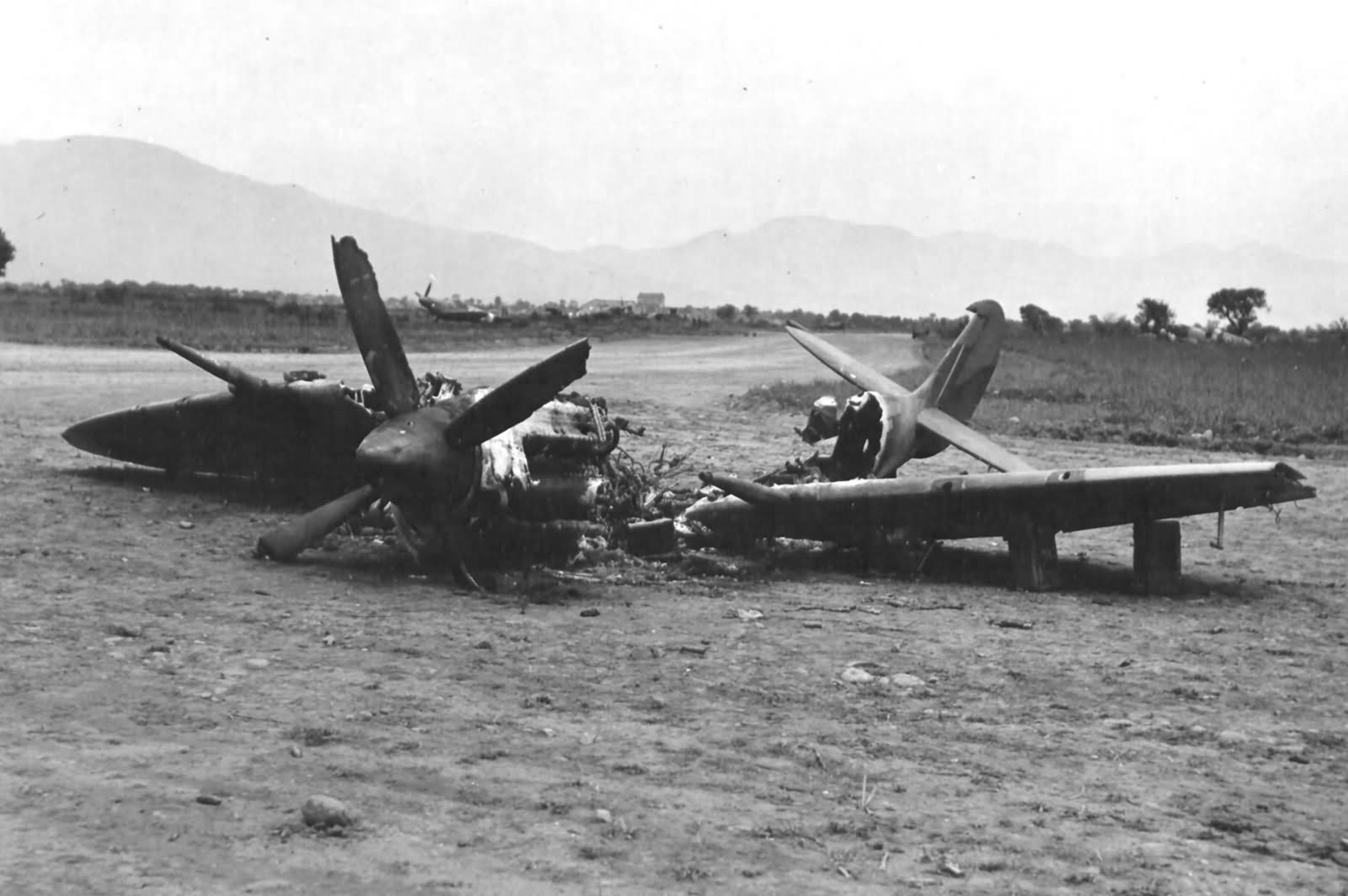
Caption: Spitfire MkIX RAF 93Sqn destroyed by fire after landing
Caption: Spitfire MkIX RAF 93Sqn HNA Sicily 24th July 1943
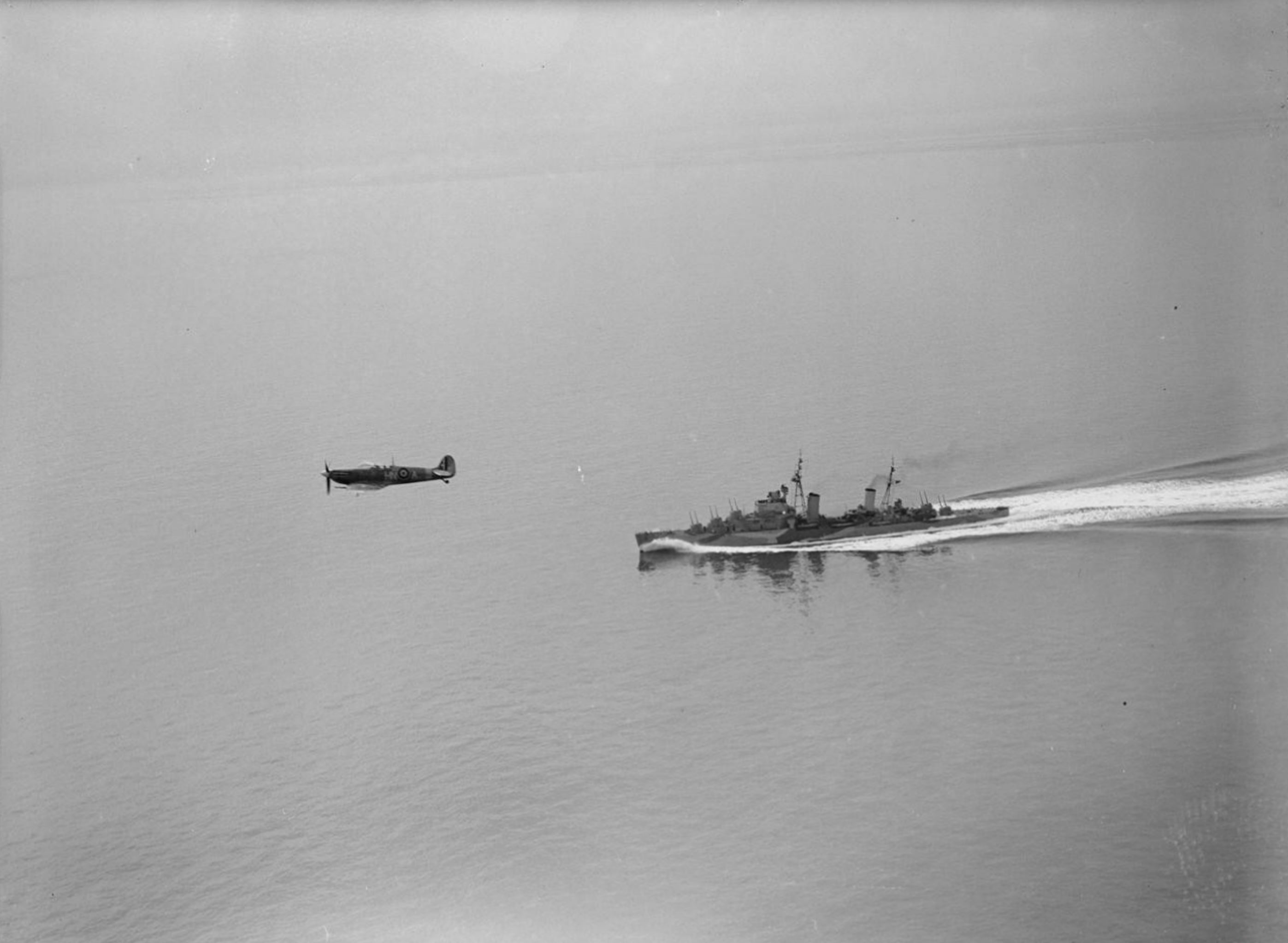
Caption: Spitfire RAF 93Sqn HNA flying over HMS Argonaut during Operation Torch 1942 IWM A11050
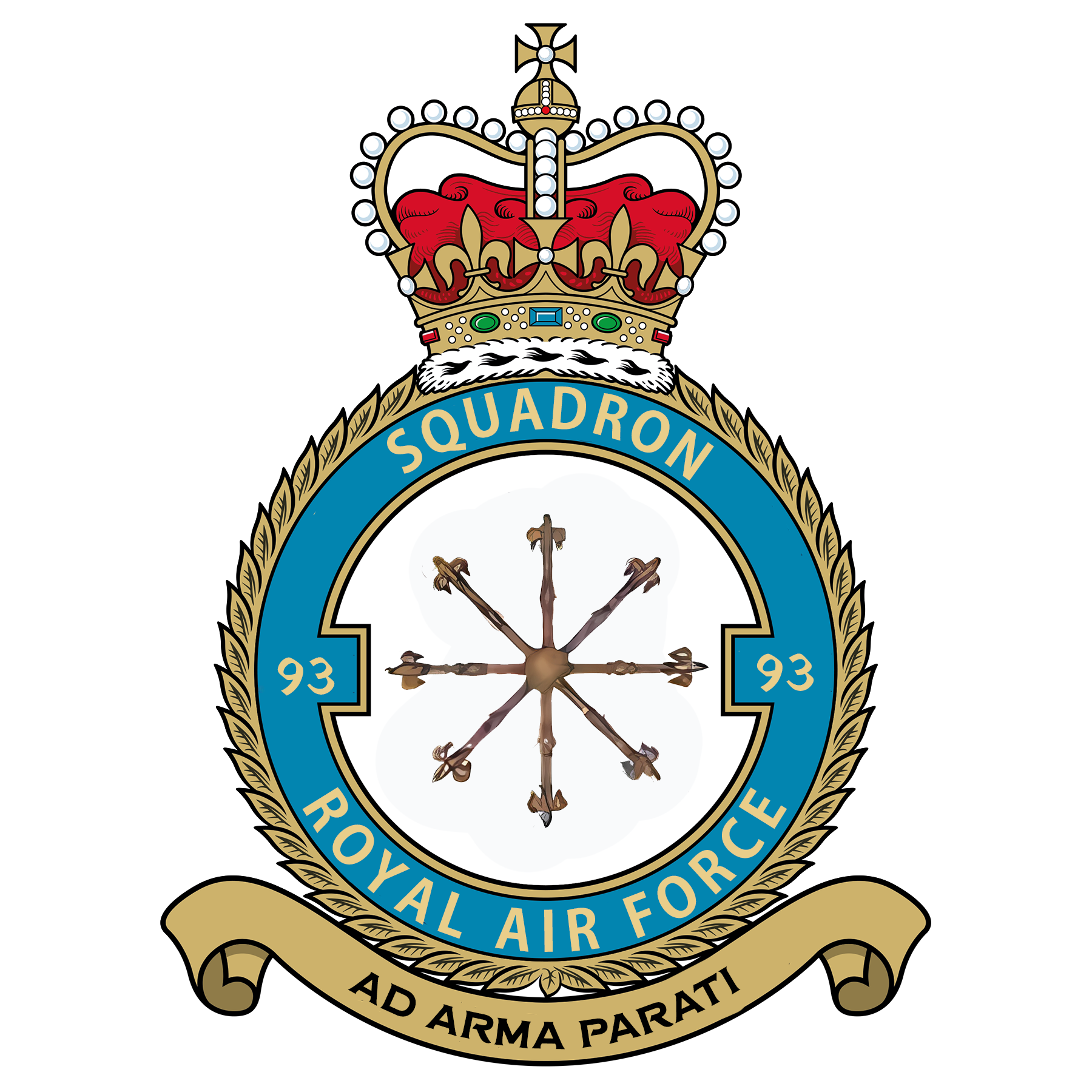
RAF No 93 Squadron
Motto: Ad arma parati 'Ready for battle'
Duty: 'Pandora' Mine night 'fighters': 1940-1941
Fighter Squadron: North Africa, Italy, Southern France: 1942-1945Squadron Codes used: - RN Allocated Apr 1939 - Sep 1939; HN Dec 1940 - Nov 1941, Jun 1942 - Sep 1945
No 93 Squadron had a brief existence at the end of WW1, being formed on 23 September 1917 and disbanding on 14 October 1918, without becoming operational. It was formed at Croydon from a nucleus provided by No 40 Training Squadron and moved to Chattis Hill in October 1917 and Tangmere in March 1918. It had been planned to equip the squadron with SE5As and for it to go to France in April but this was cancelled and the squadron, after acting as a training unit using a variety of types, disbanded on 17 August 1918 . It reformed on 14 October at Port Meadow, its planned equipment being Dolphins, but the Armistice resulted in its disbandment on 21 November 1918.
No 420 ('Pandora') Flight had formed at Christchurch on 25 September 1940. Equipped with Harrows equipped to drop the 'Pandora' aerial mine. This flight was raised to squadron status on 7 December 1940 as No 93 Squadron, now based at Middle Wallop. Havocs were used as well as Harrows and from March to July 1941, the Harrows were replaced by Wellingtons. However, the increased effectiveness of AI equipped night fighters made weapons such as 'Pandora', obsolete and the squadron disbanded on 6 December 1941.
Its fourth incarnation began on 1 June 1942 when it was reformed at Andreas, equipped with Spitfires. In September , the squadron was earmarked to take part in the 'Torch' landing in North Africa and as a result ceased operations with its aircrew going out to Gibraltar. It then supported the First Army in its campaigns through Algeria and Tunisia. After the Axis surrender, it re-located to Luqa in Malta from 14 June 1943, from where it supported the Allied landings in Sicily and later Italy. It continued to support the advancing Allied armies in Italy carrying out escort missions, patrols over the beachheads and Rhubarbs until July 1944 when it moved to Corsica. From here it supported the Allied landings in Southern France in August, Operation Dragoon, after which it moved onto the French mainland and supported the ground forces moving north until these met up with the armies coming down from Normandy, when it returned to Italy. It continued to carry out fighter-bomber operations for the remainder of the war, joining the occupation forces in Austria until disbanded on 5 September 1945.
The squadron reformed again on 1 January 1946, when No 237 Squadron at Lavariano in Italy was re-numbered. The squadron was now flying Mustangs but on the last day of the year, it disbanded yet again. So far its last period on the Battle Order began on 15 November 1950, when it was reformed as a Vampire fighter-bomber unit at Celle in Germany. It converted to the fighter role when it received Sabres in April 1954, these being replaced by Hunters in 1956, but on 30 December 1960, the squadron disbanded for the last time. The squadron disbanded at Jever, to where it had moved on 3 March 1952.
No.93 Squadron went through two incarnations during the Second World War, first using the 'Pandora' aerial mine, and then as a standard fighter squadron operation in North Africa, Italy and southern France.
No.93 Squadron formed for the first time on 7 December 1940 at Middle Wallop, from No.420 Flight. The squadron was formed to use the 'Pandora' aerial mine, towing the mine below the Handley Page Harrow and Douglas Havoc I. The 'Pandora' mine was not a great success, and the squadron was disbanded on 6 December 1941, one day short of the first anniversary of its formation.

No.93 Squadron reformed six months later, on 1 June 1942, as a fighter squadron equipped with the Supermarine Spitfire. From then until September the squadron flew on convoy patrols over the Irish Sea, before in September it was moved to Gibraltar, to take part in Operation 'Torch'. After the success of the Allied landings the squadron moved to North Africa, where it provided fighter cover for the First Army in Algeria and Tunisia.
After the end of the campaign in North Africa No.93 Squadron moved to Malta, and supported the invasions of Sicily and Italy. It continued to operate over Italy until July 1944, when it moved to Corsica to help support the invasion of southern France. In August 1944 the squadron moved to the French mainland, and it continued to support the troops fighting in the south of France until September 1944, when they joined up with the main Allied armies in northern France. At this point No.93 Squadron returned to Italy, where it operated as a fighter-bomber squadron until the end of the war. At the end of the war the squadron took part in the occupation of Austria, before being disbanded in September 1945.
Web Reference: RAF Web.org - http://www.rafweb.org/Sqn091-95.htm | History of War.org - http://www.historyofwar.org/air/units/RAF/93_wwII.html
Aircraft Operated by RAF No. 275 Squadron From To Aircraft December 1940 June 1941 Handley Page Harrow II December 1940 December 1941 Douglas Havoc I March 1941 May 1942 Vickers Wellington IC June 1942 August 1943 Supermarine Spitfire VB and VC July 1943 September 1945 Supermarine Spitfire IX
Squadron Bases Operated by RAF No. 275 Squadron From To Base December 1940 December 1941 Middle Wallop June 1942 September 1942 Andreas September 1942 November 1942 Kings Cliffe November 1942 November 1942 Gibraltar November 1942 November 1942 Maison Blanche November 1942 December 1942 Souk-el-Arba December 1942 May 1943 Souk-el-Khemis May 1943 May 1943 La Sebala May 1943 June 1943 Mateur June 1943 July 1943 Hal Far July 1943 July 1943 Comiso July 1943 August 1943 Pachino August 1943 September 1943 Panebianco September 1943 September 1943 Cassala September 1943 October 1943 Falcone September 1943 October 1943 Battipaglia October 1943 January 1944 Capodichino January 1944 June 1944 Lago June 1944 June 1944 Tre Cancelli June 1944 July 1944 Tarquinia June 1944 July 1944 Grosseto July 1944 July 1944 Piombino July 1944 August 1944 Calvi August 1944 August 1944 Ramatuelle August 1944 September 1944 Sisteron September 1944 September 1944 Lyon-Bron September 1944 October 1944 La Jasse October 1944 November 1944 Peretola November 1944 February 1945 Rimini February 1945 May 1945 Ravenna May 1945 May 1945 Rivolto May 1945 September 1945 Klagenfurt






 Editor for Asisbiz: Matthew Laird Acred
If you love our website please subscribe to our YouTube video channel
Please donate so we can make this site even better !!