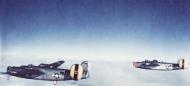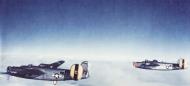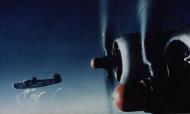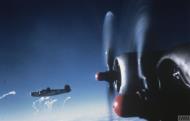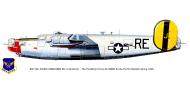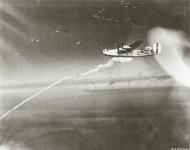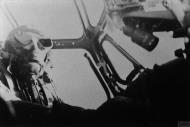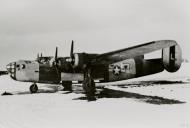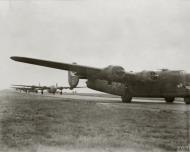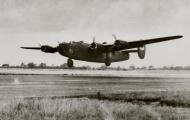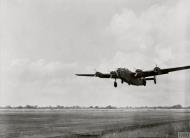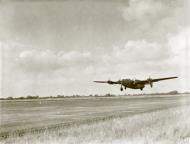
93rd Bombardment Group B-24 Liberator slideshow

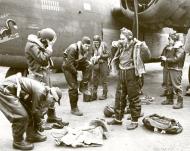
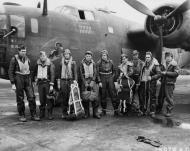
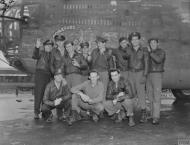
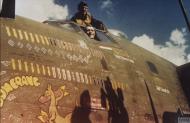
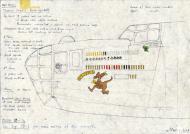
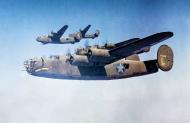
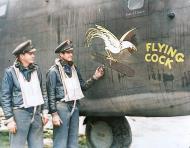
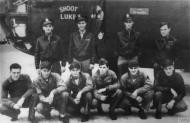
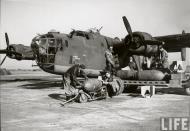
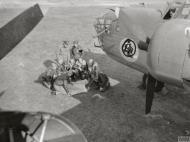
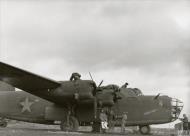
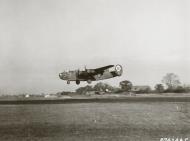
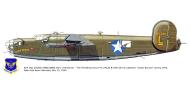
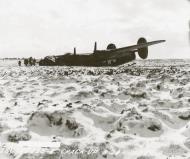
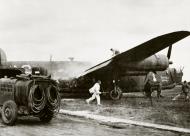
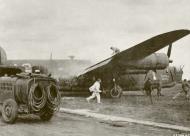
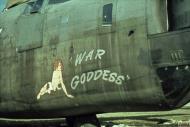
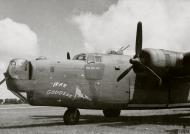
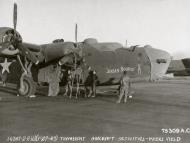
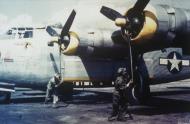
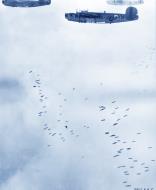
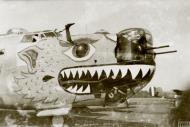
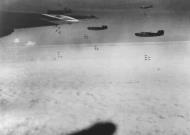
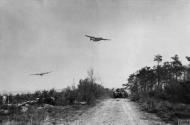
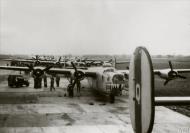
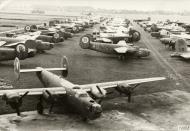
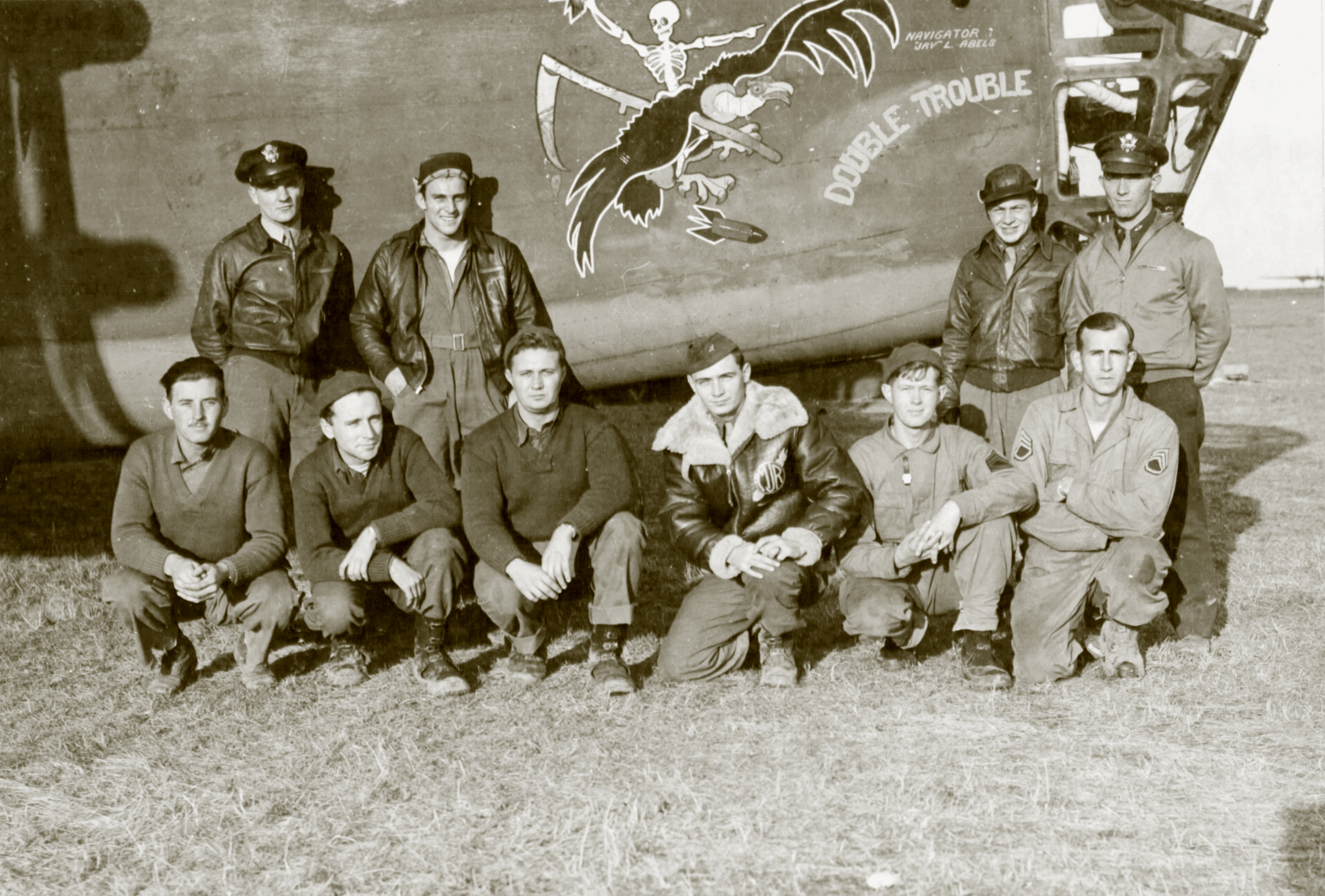
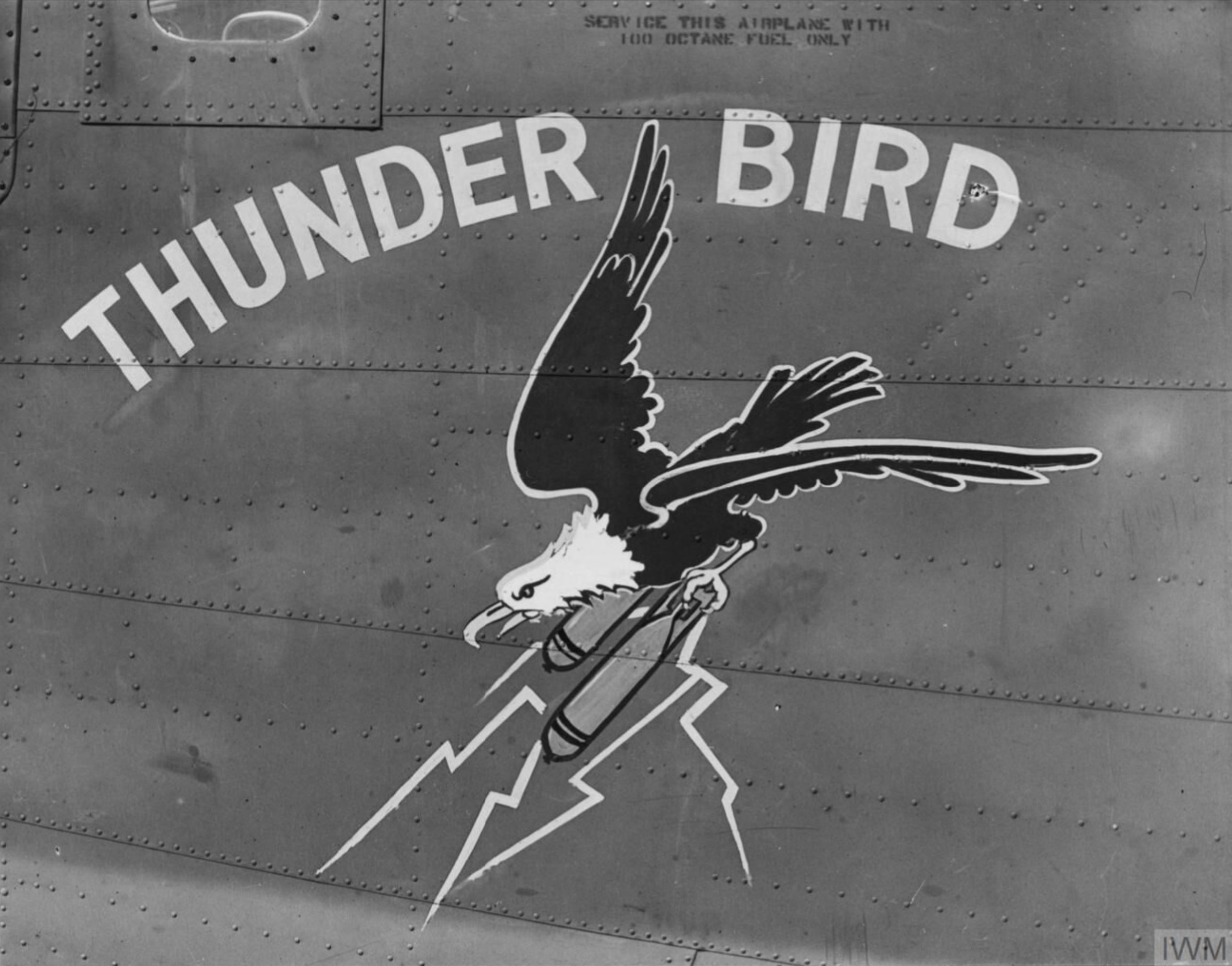
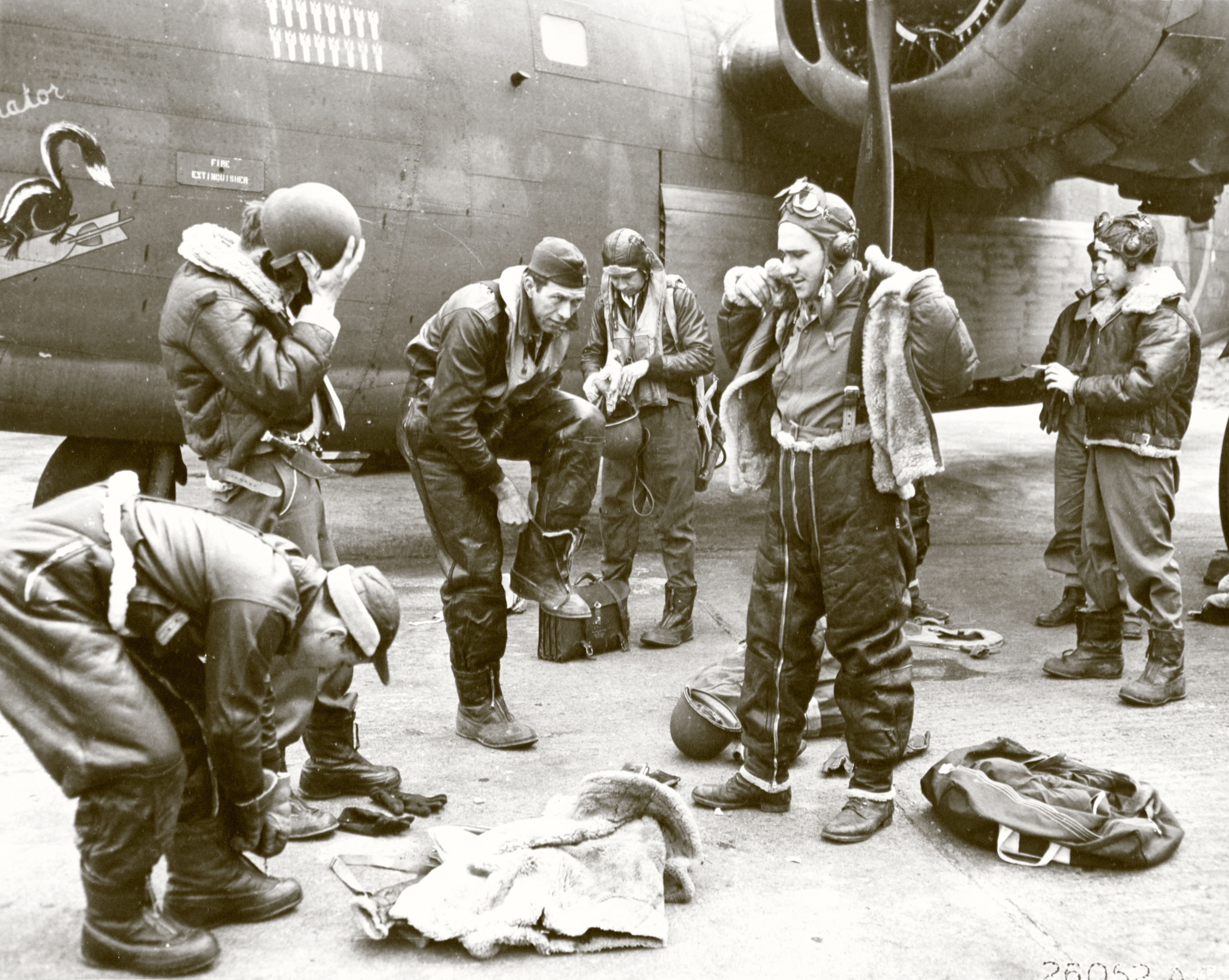
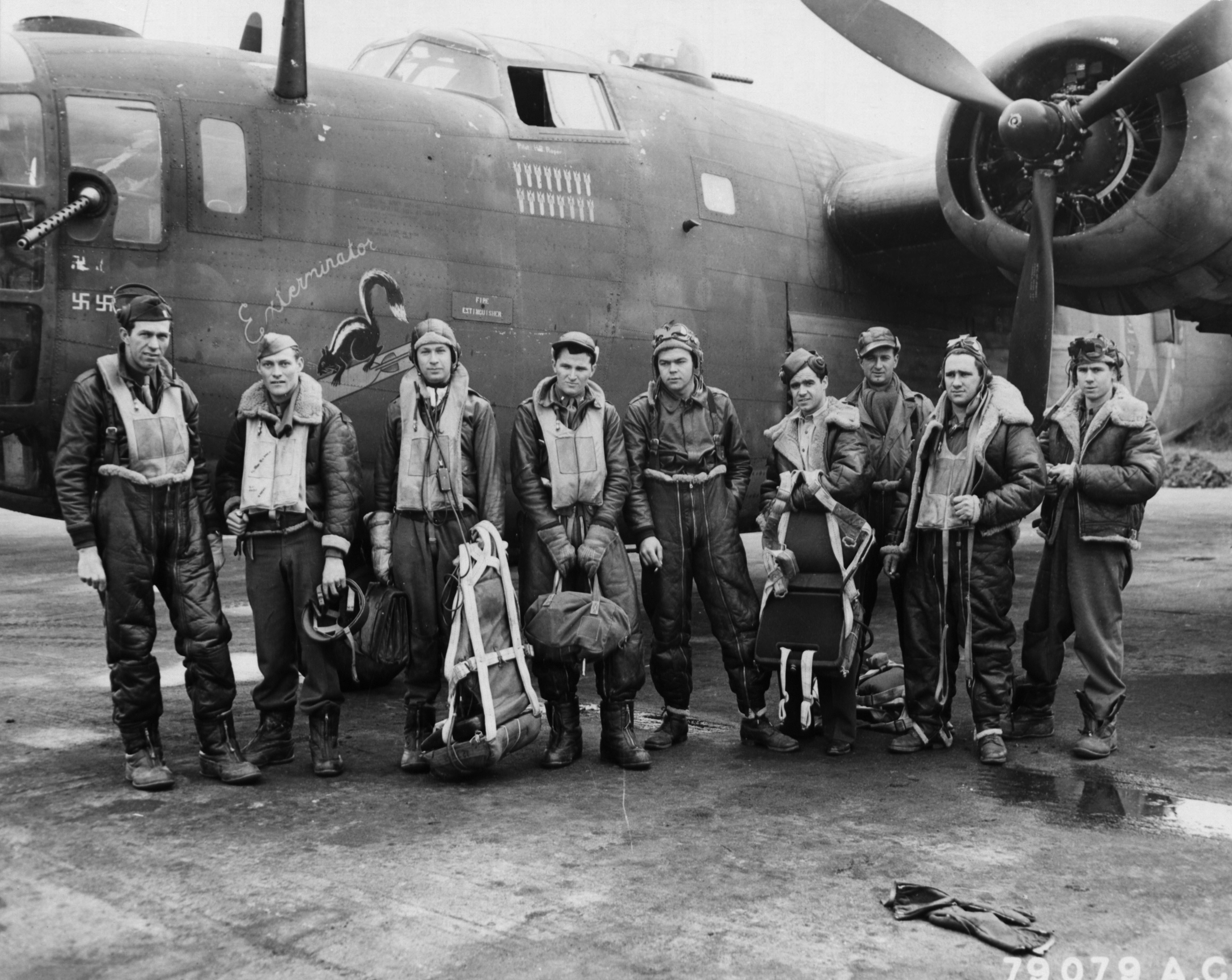
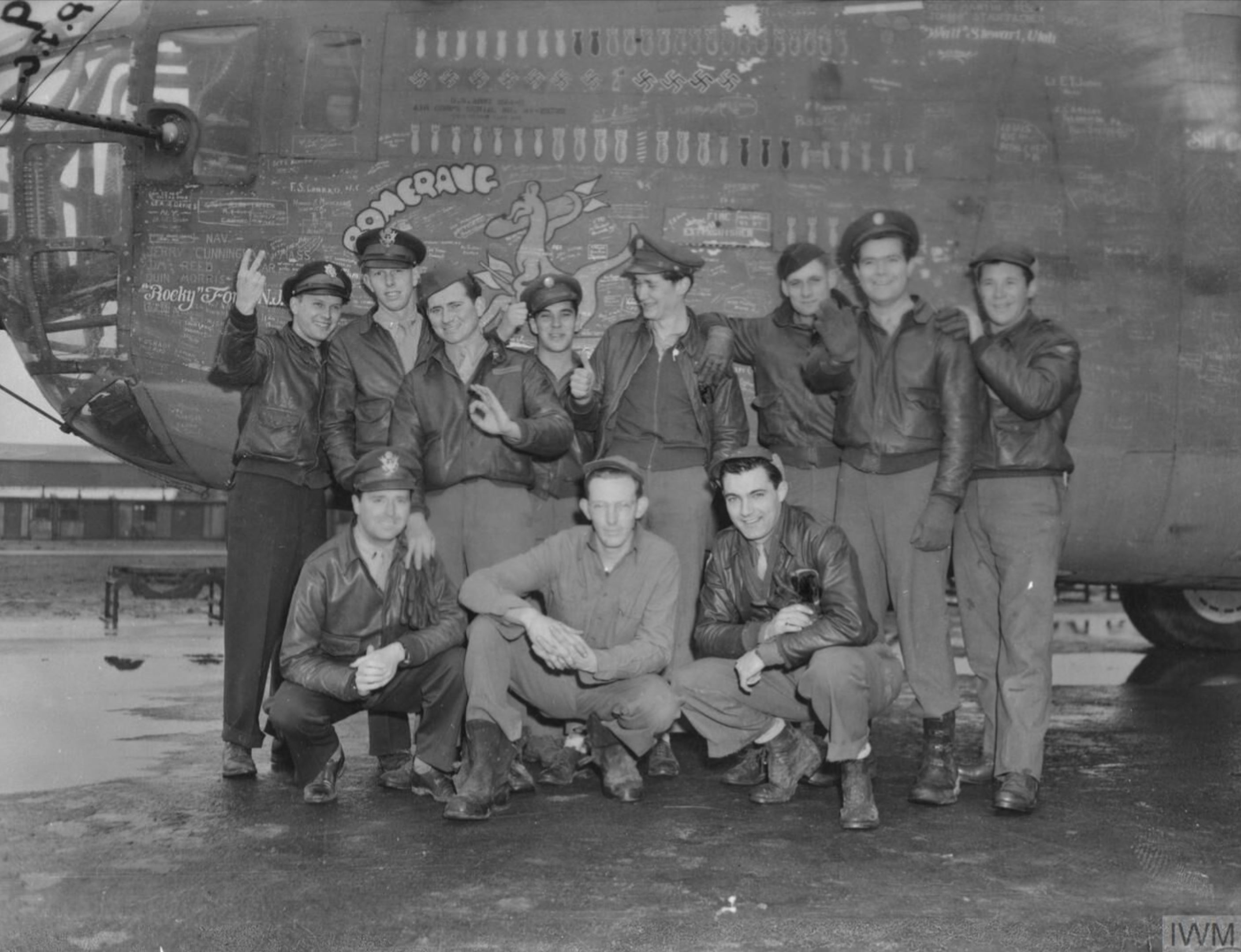
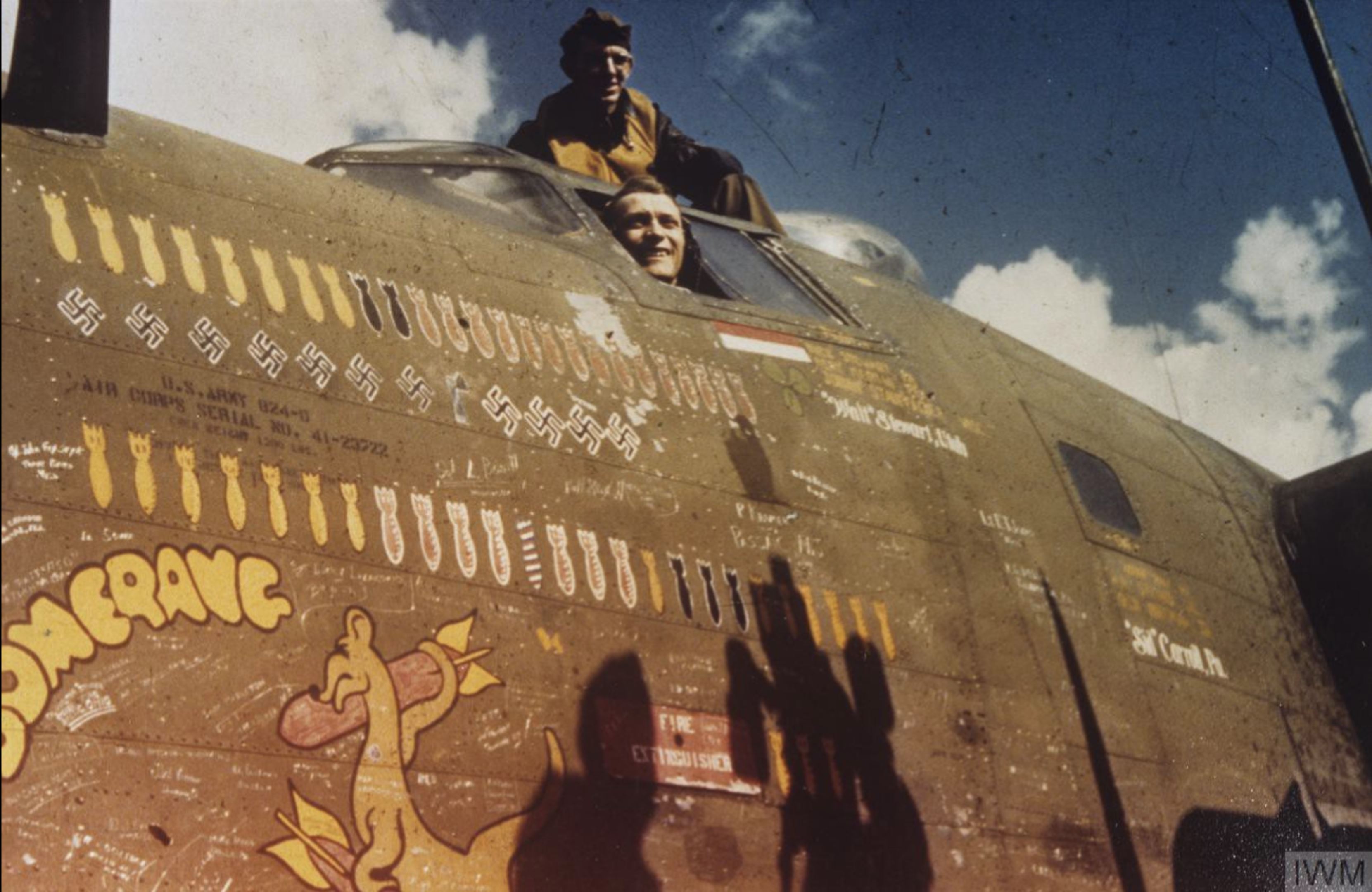
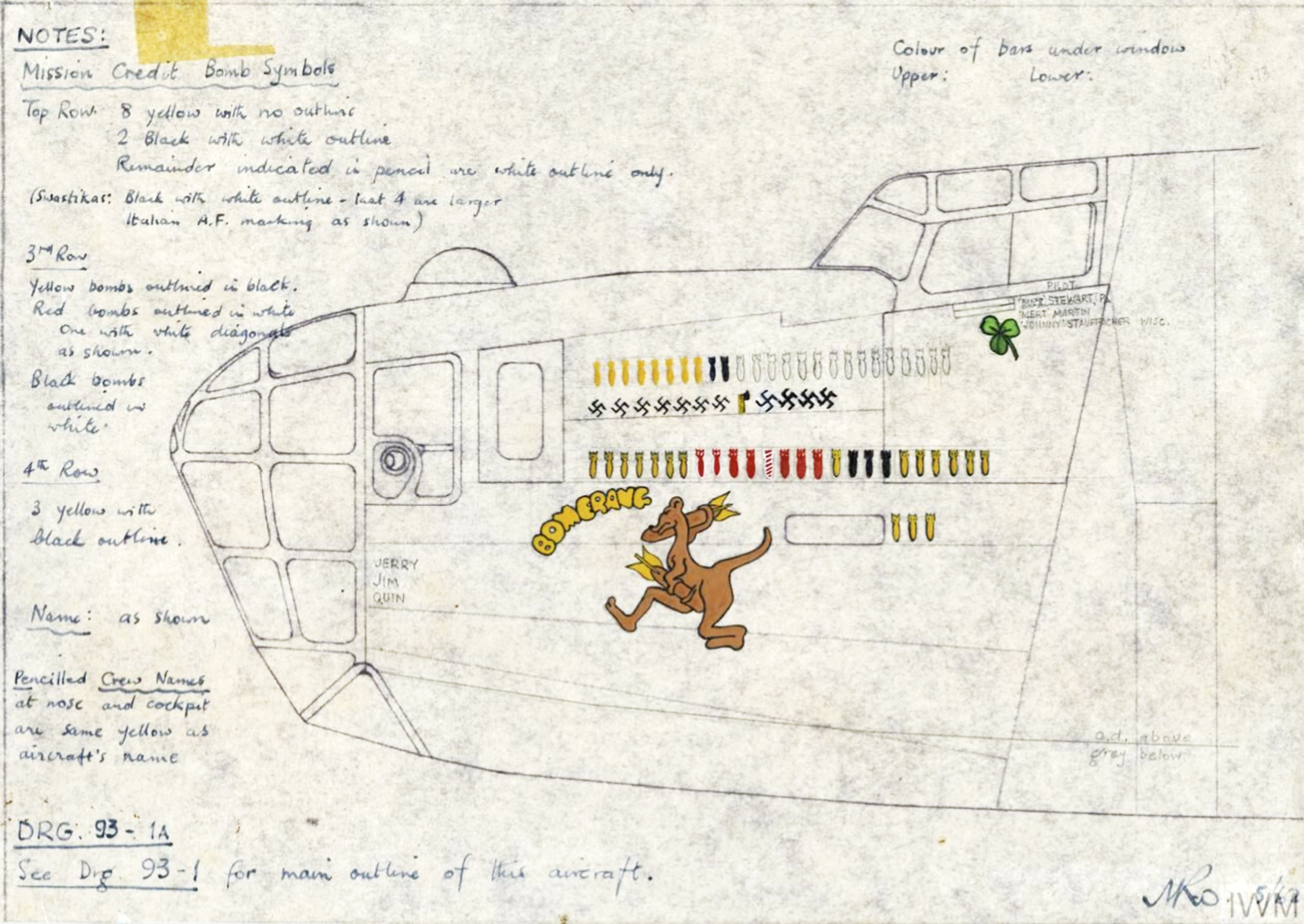
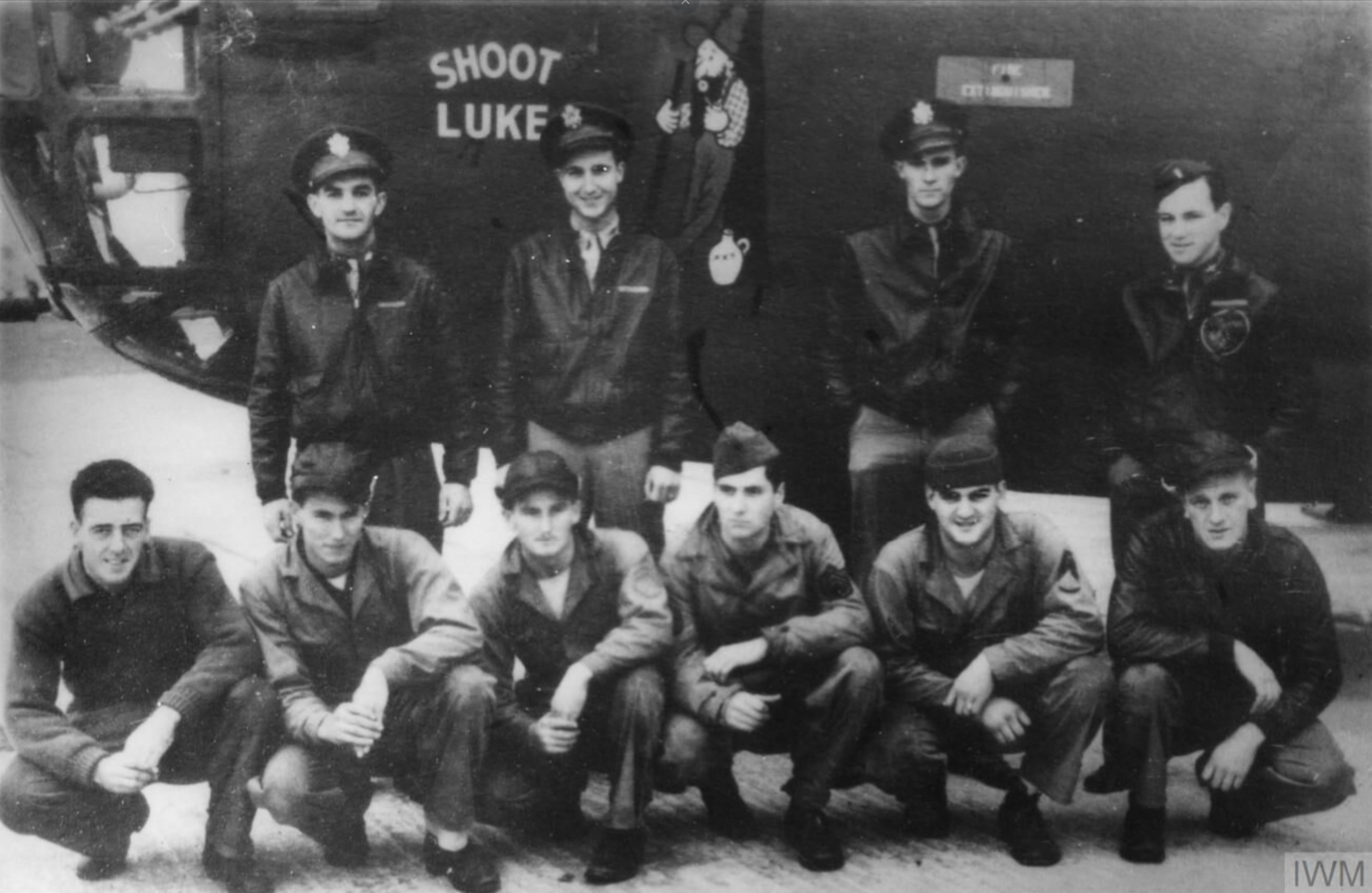
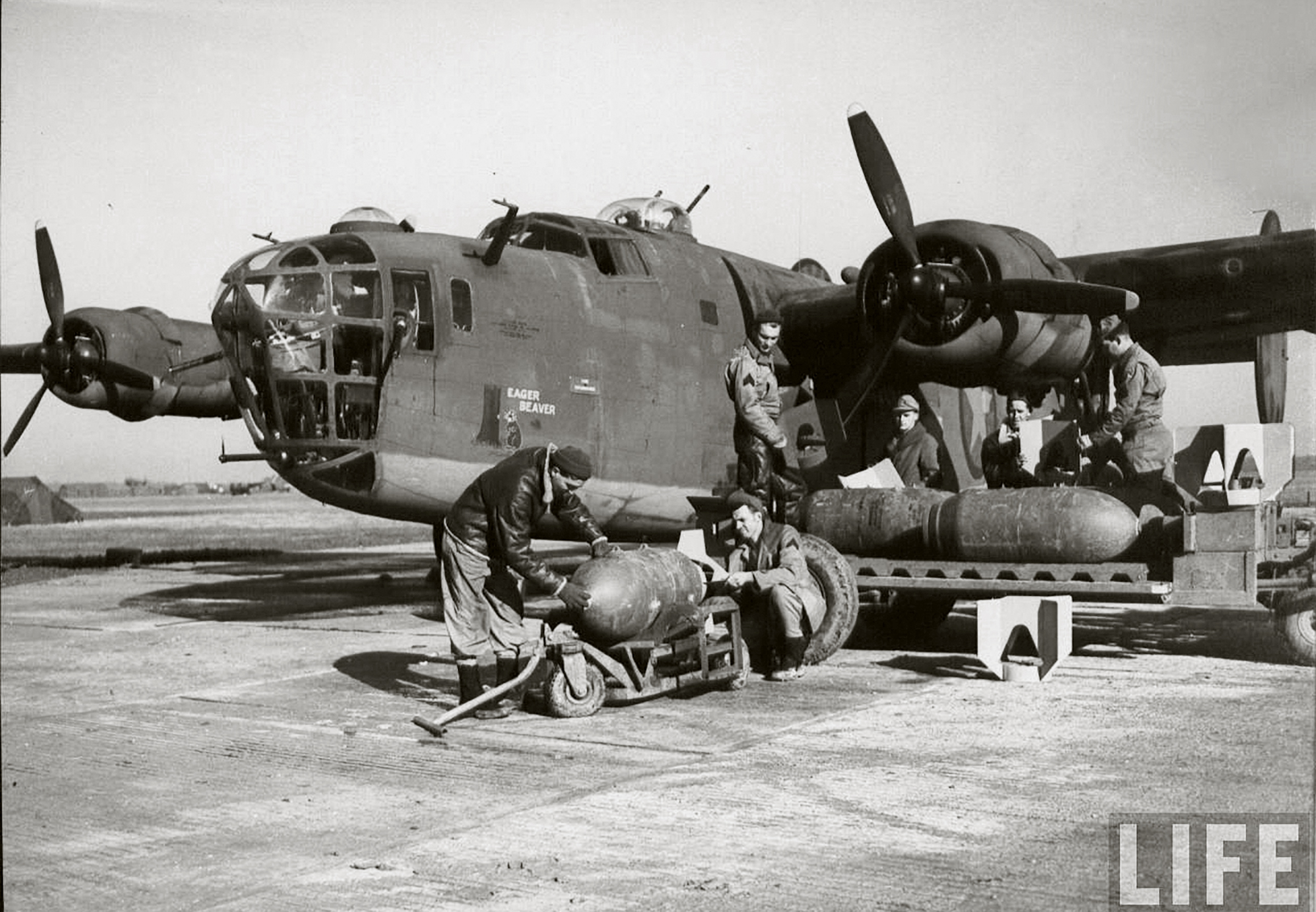
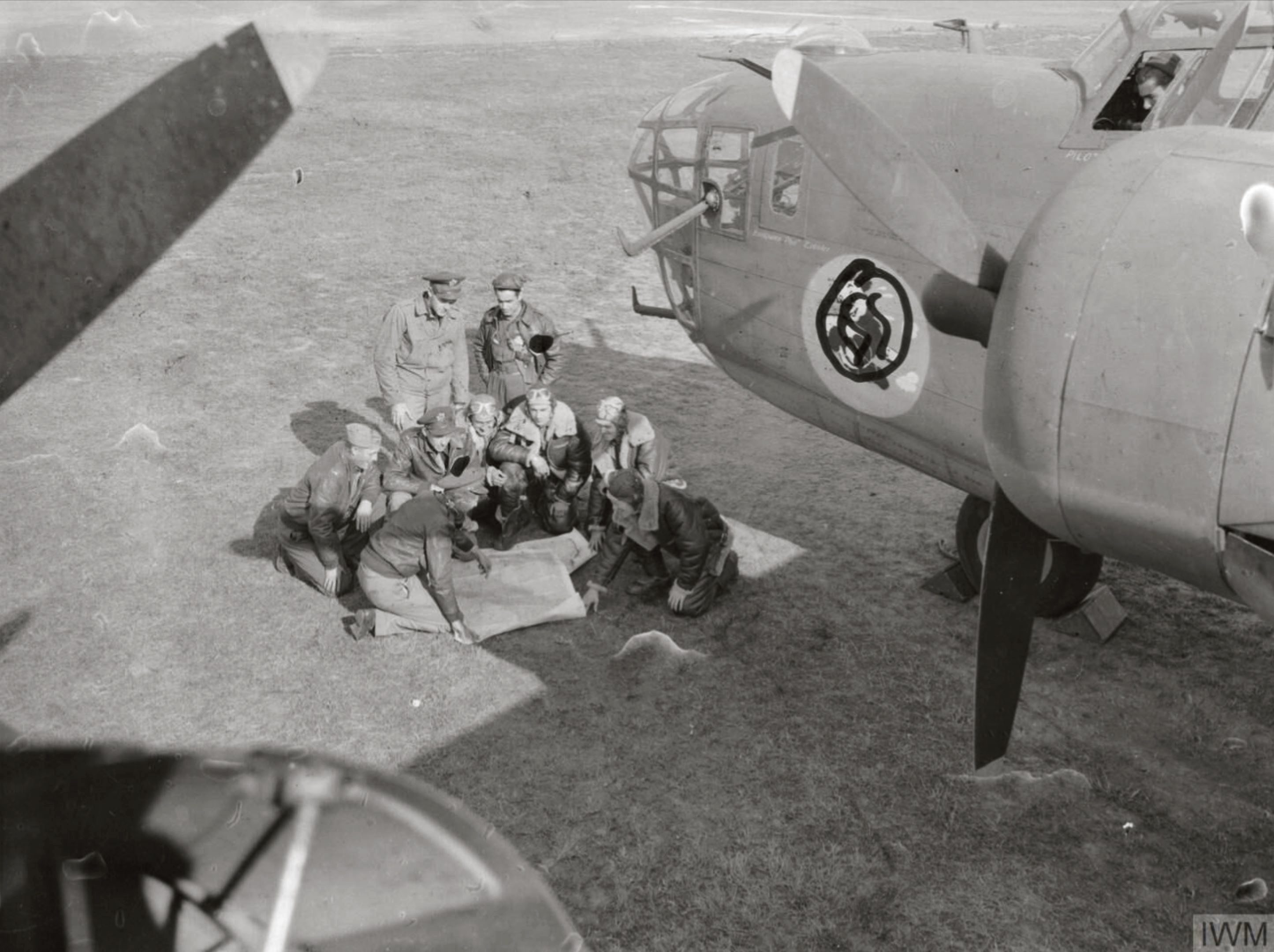
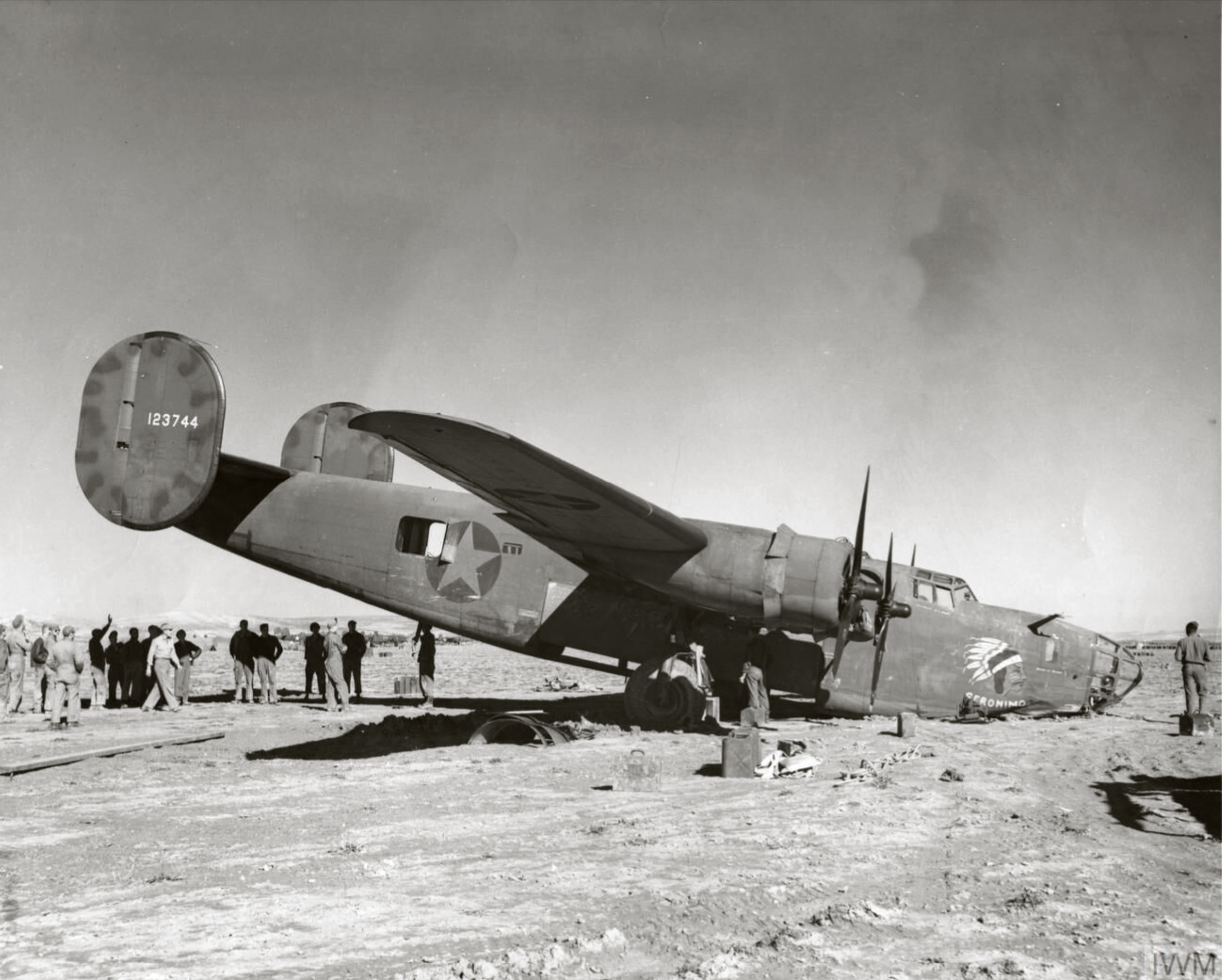
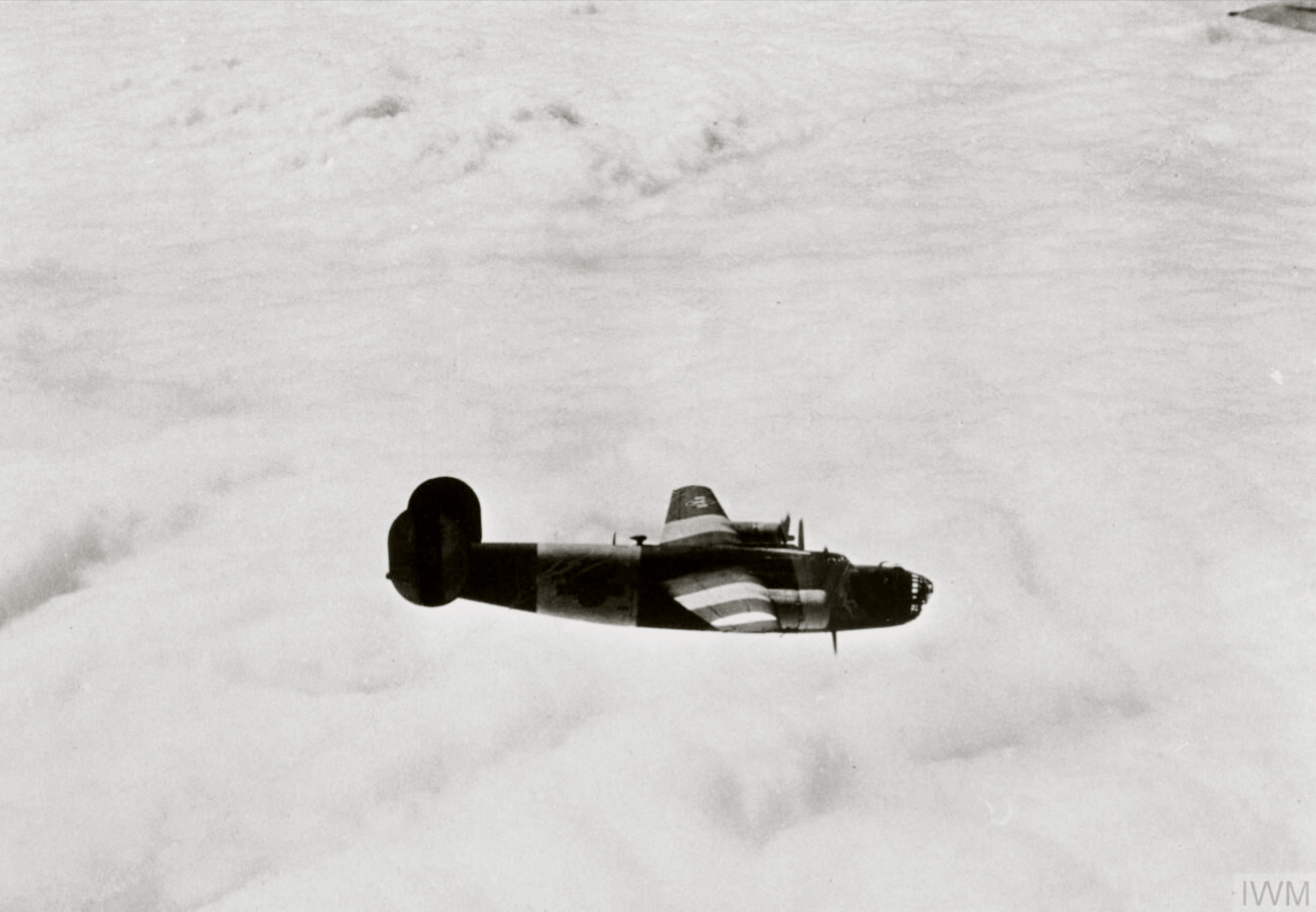
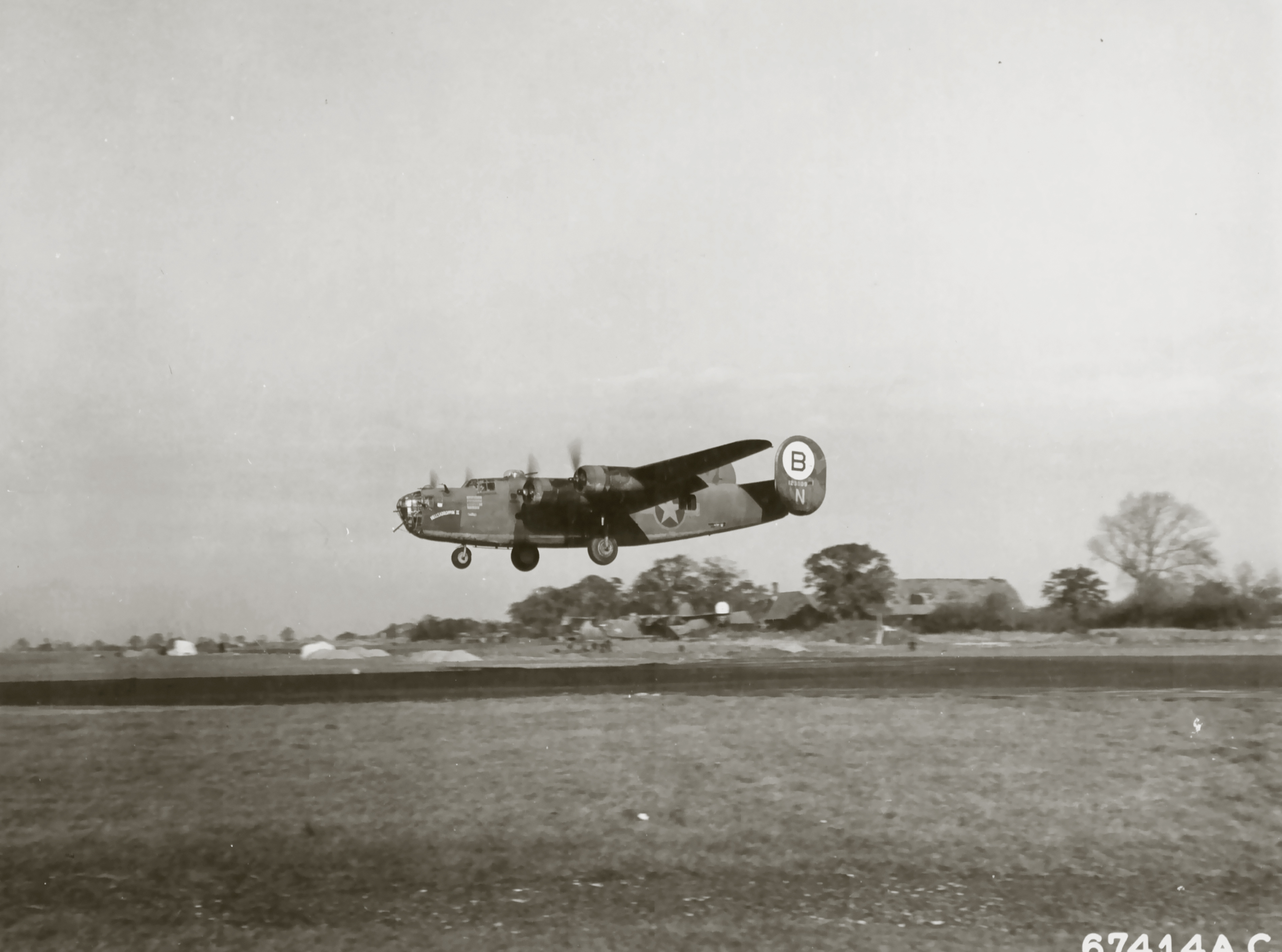
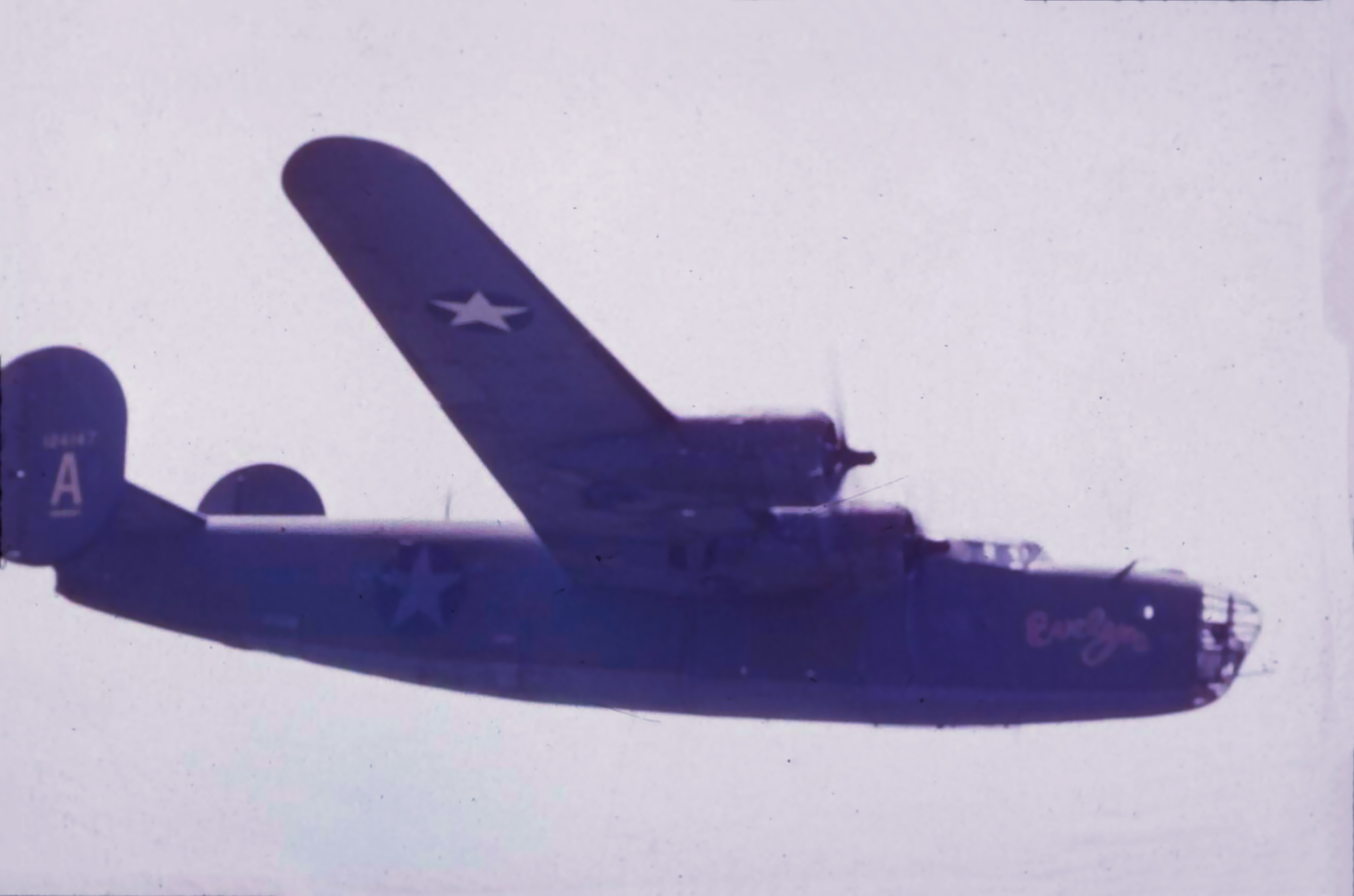
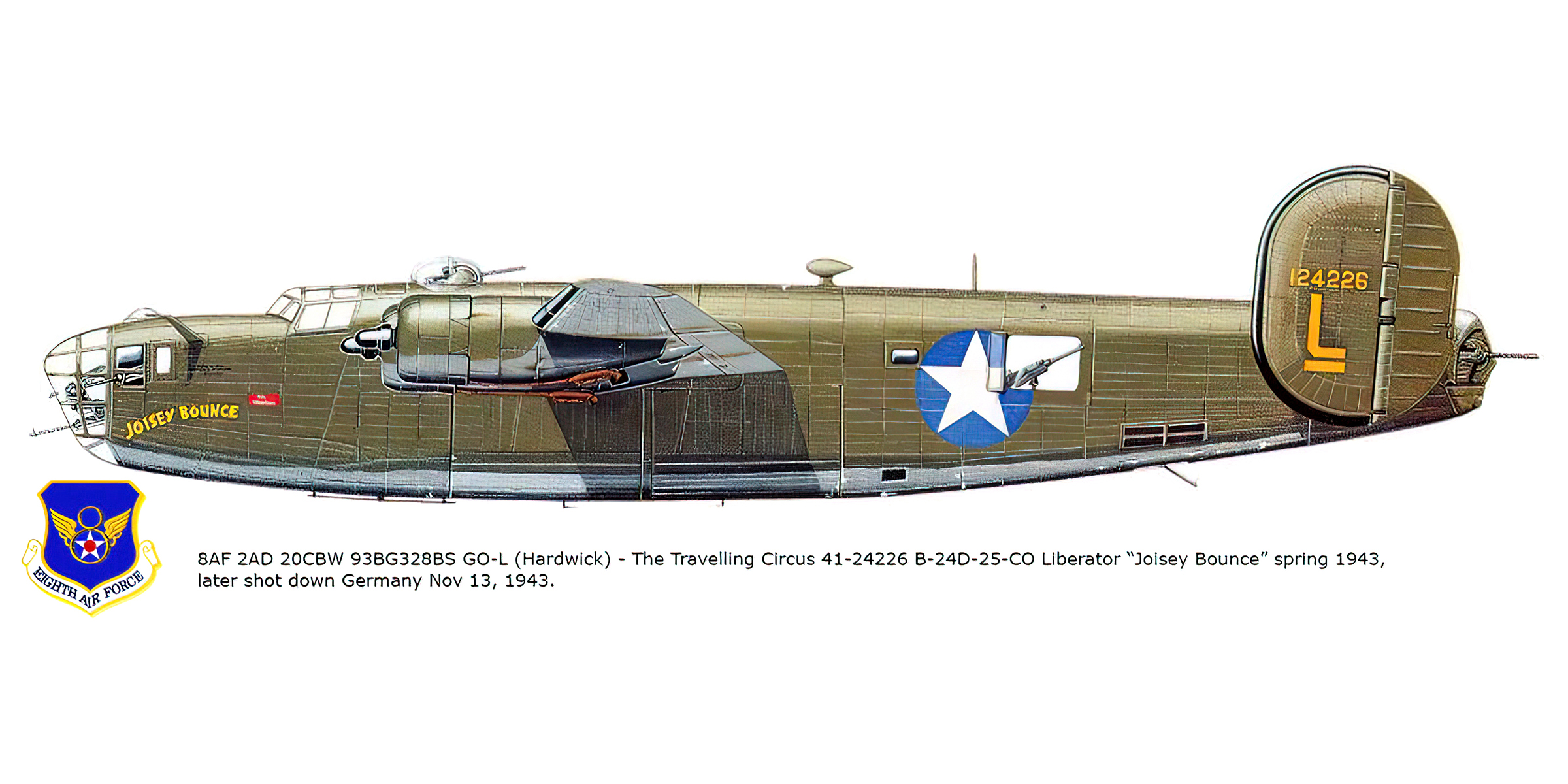
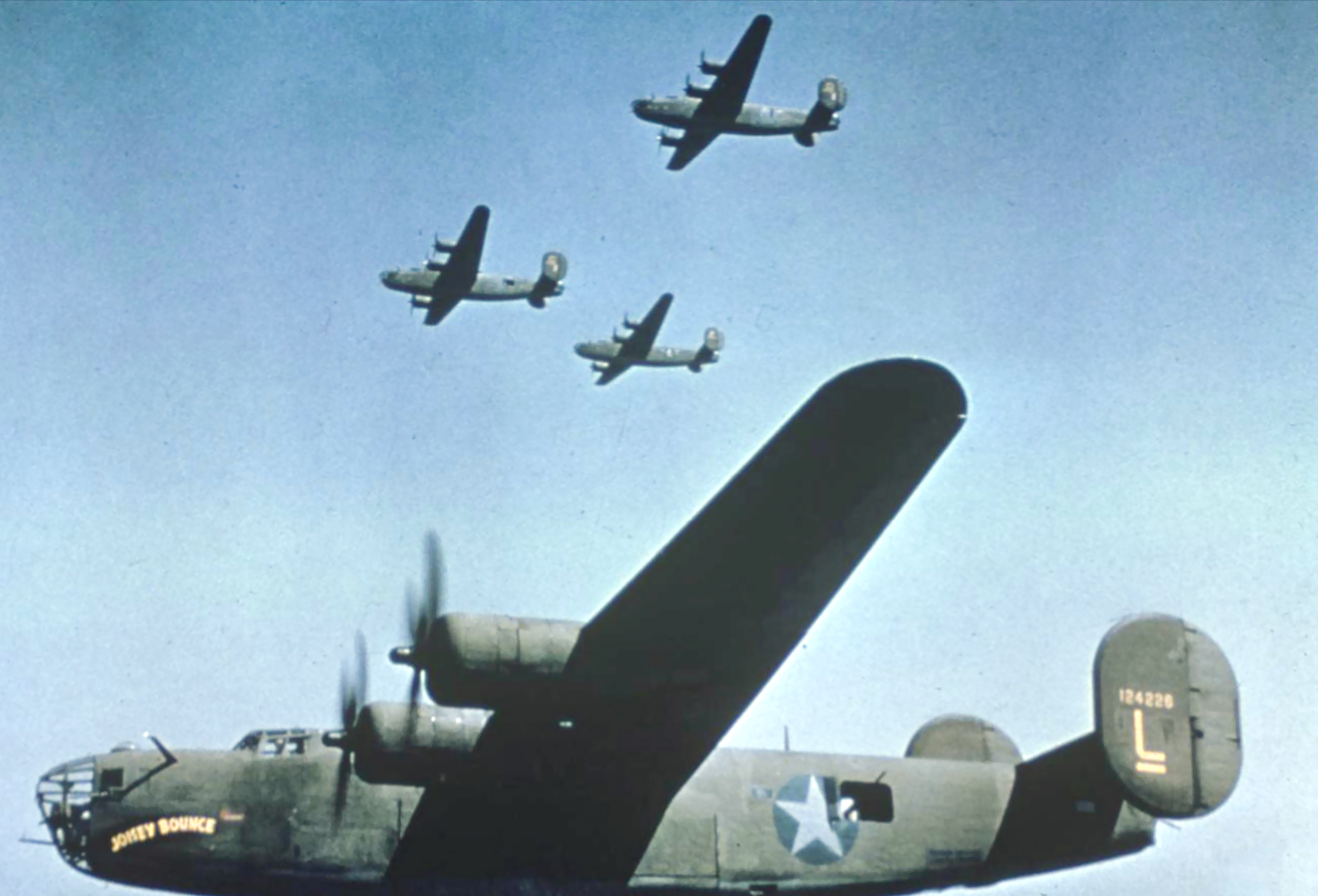
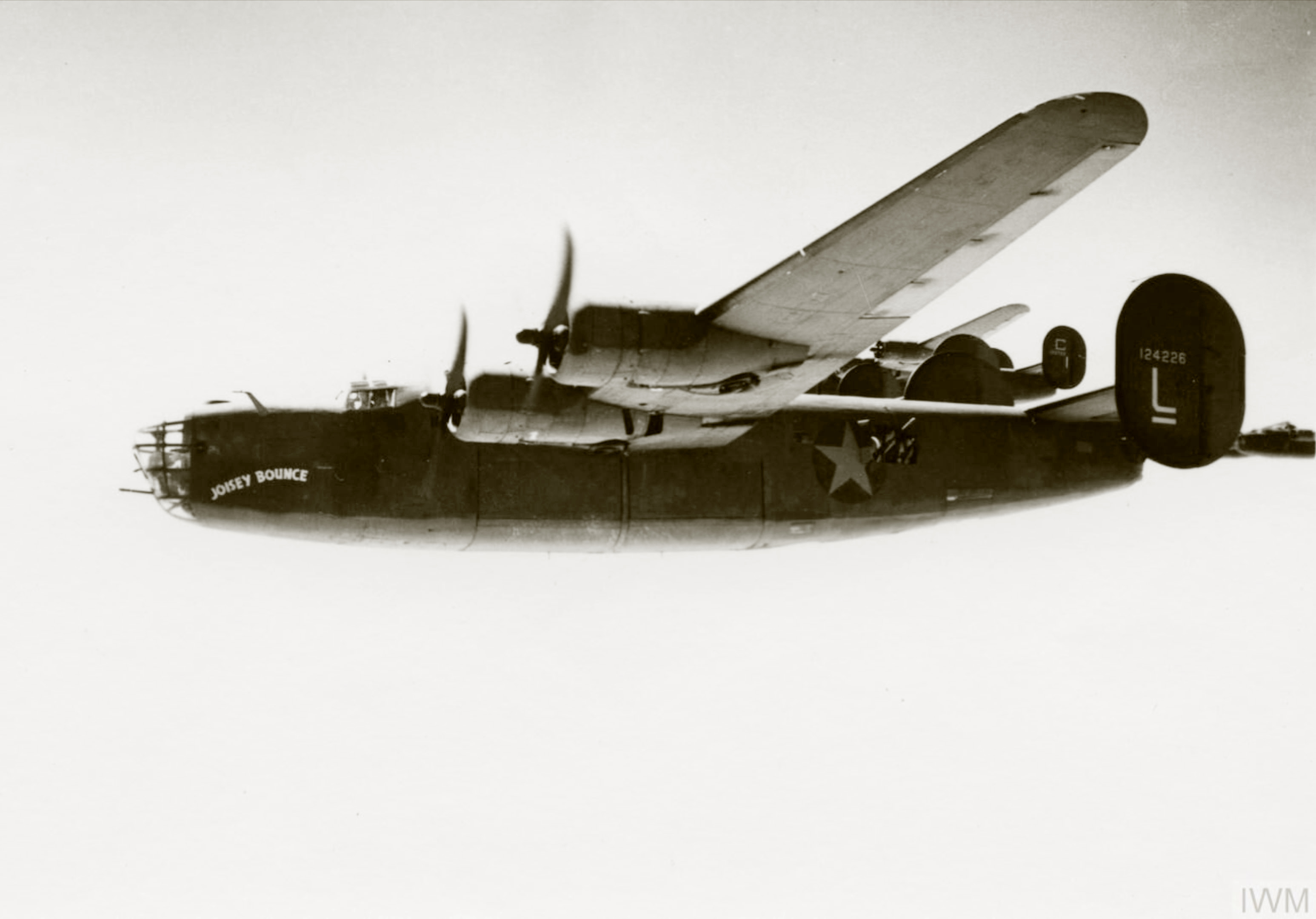
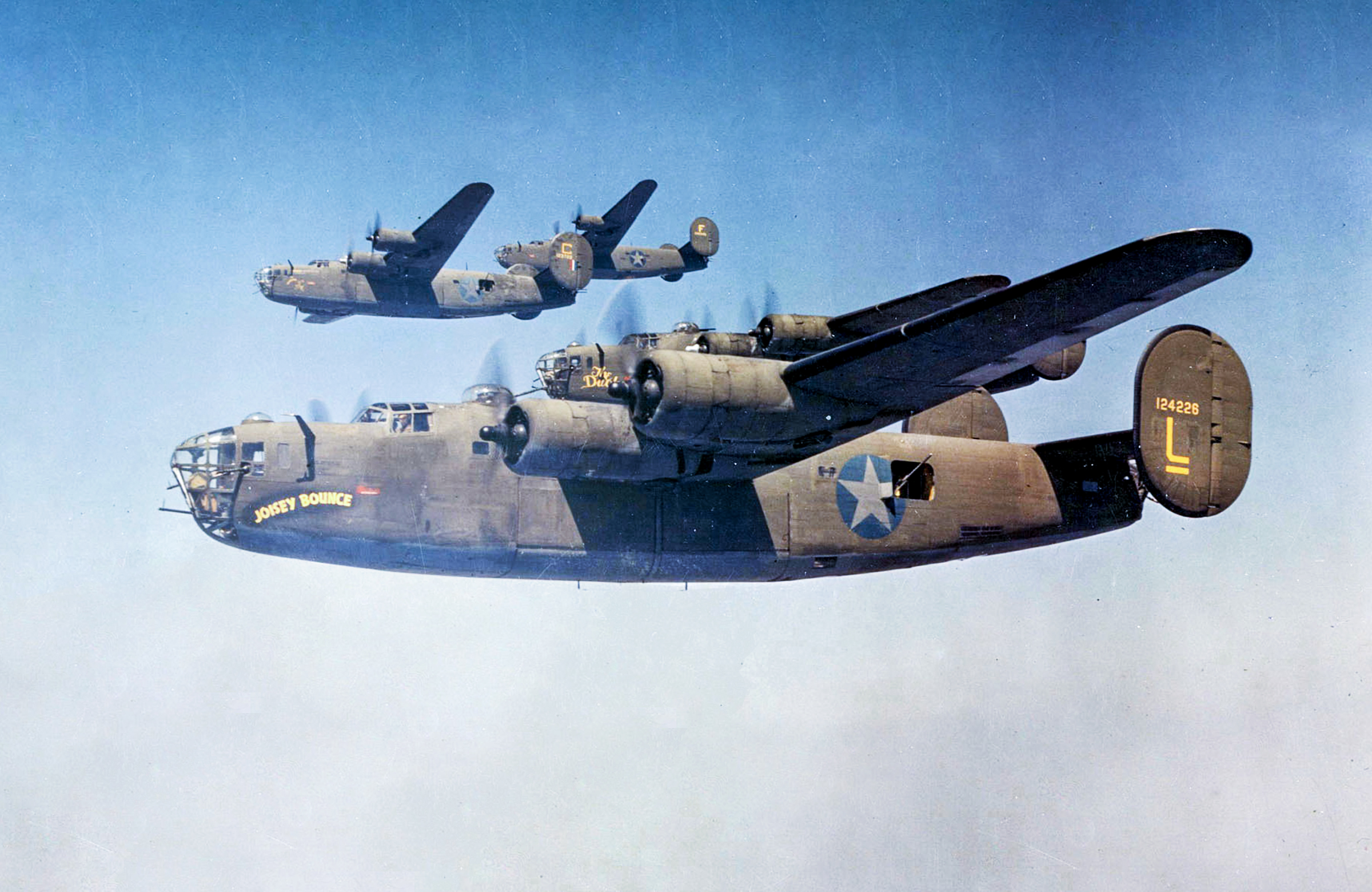
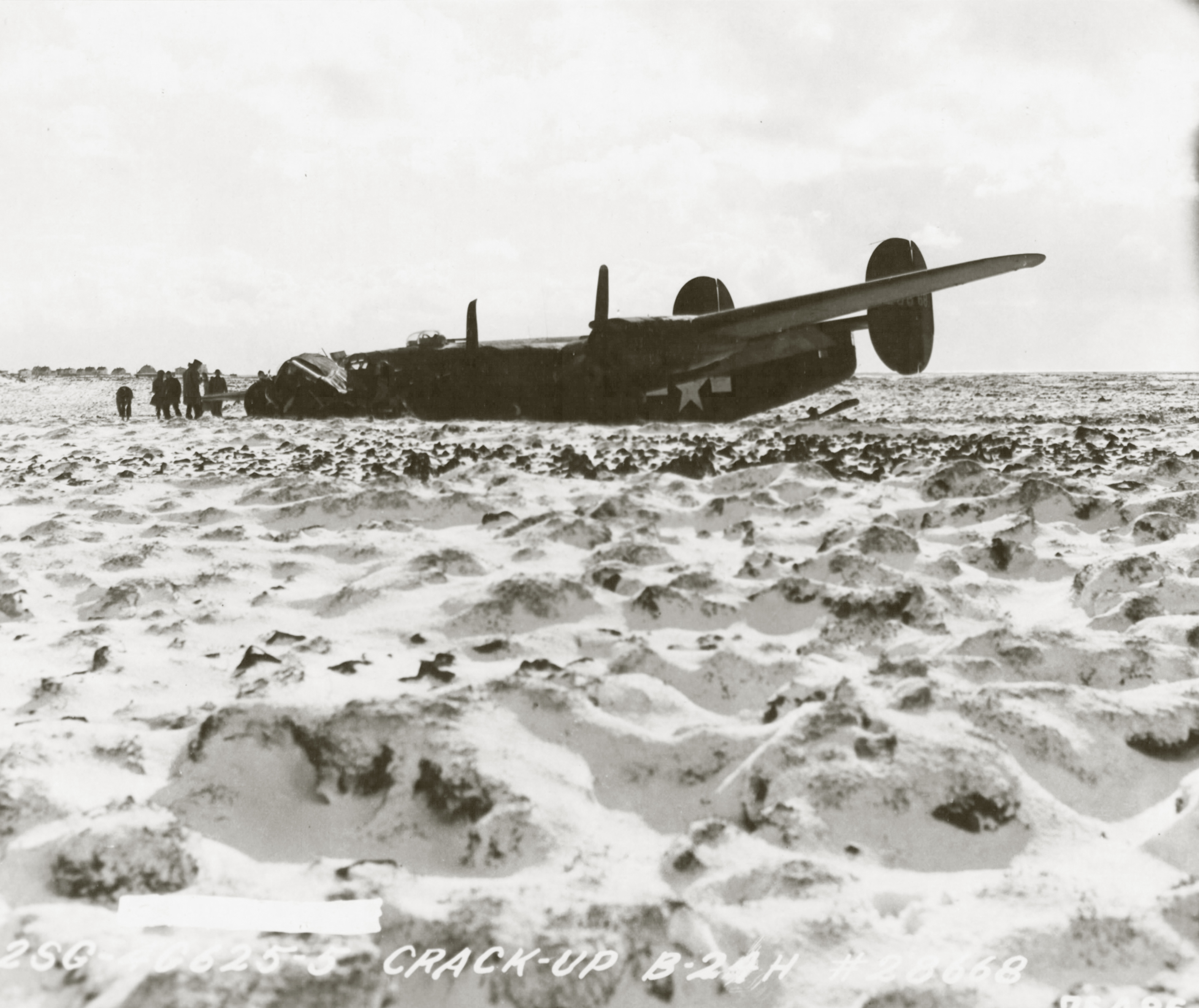
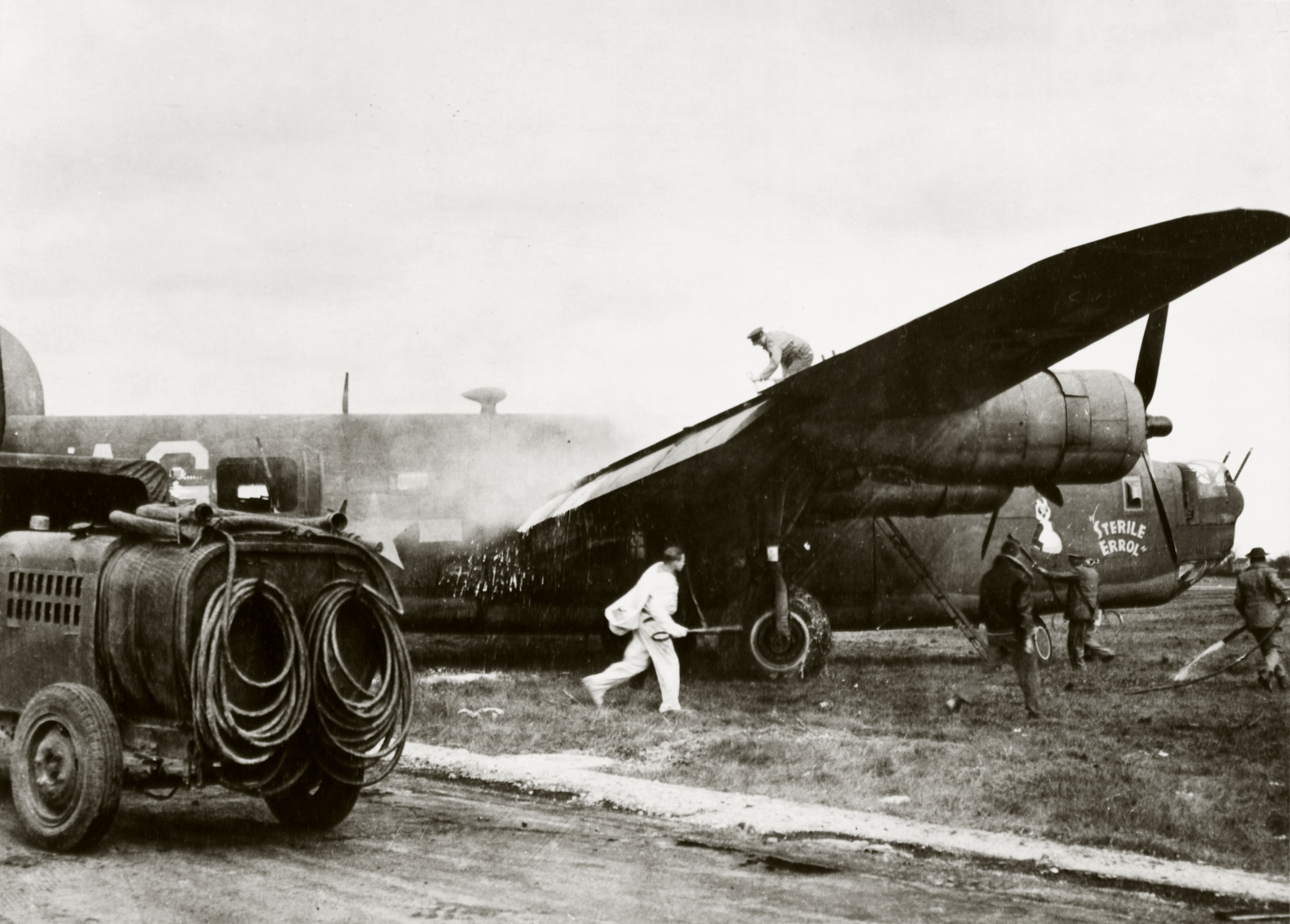
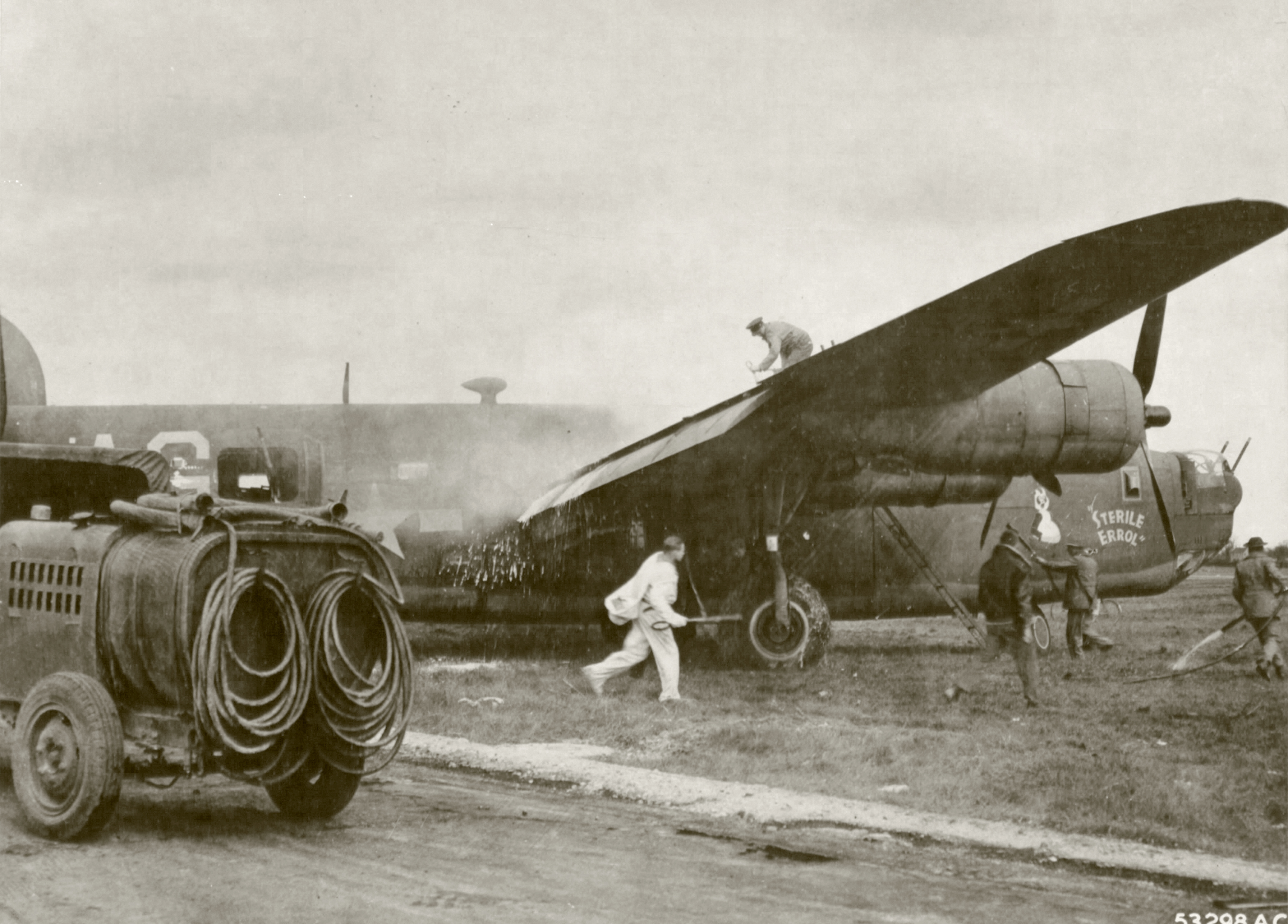
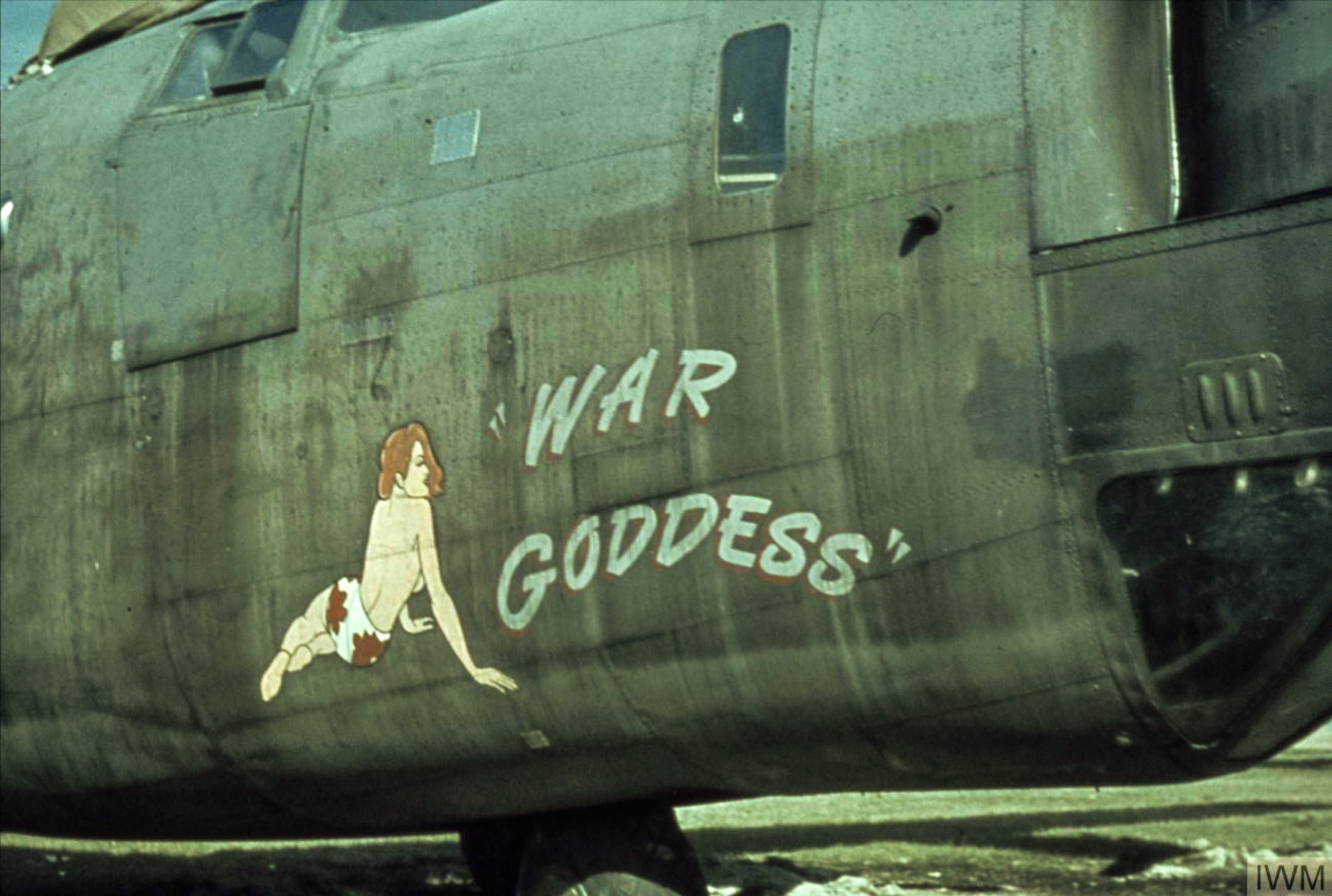
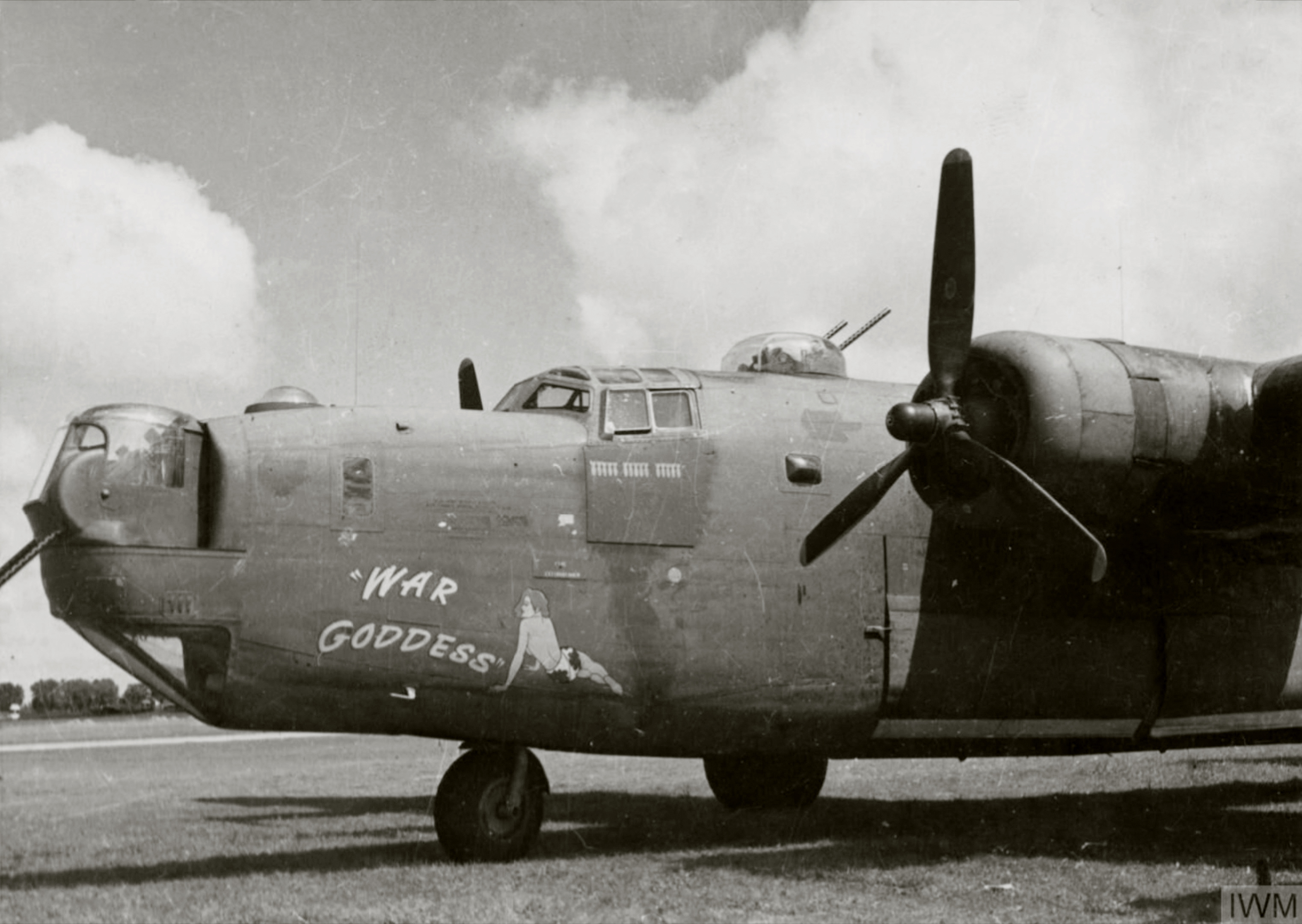
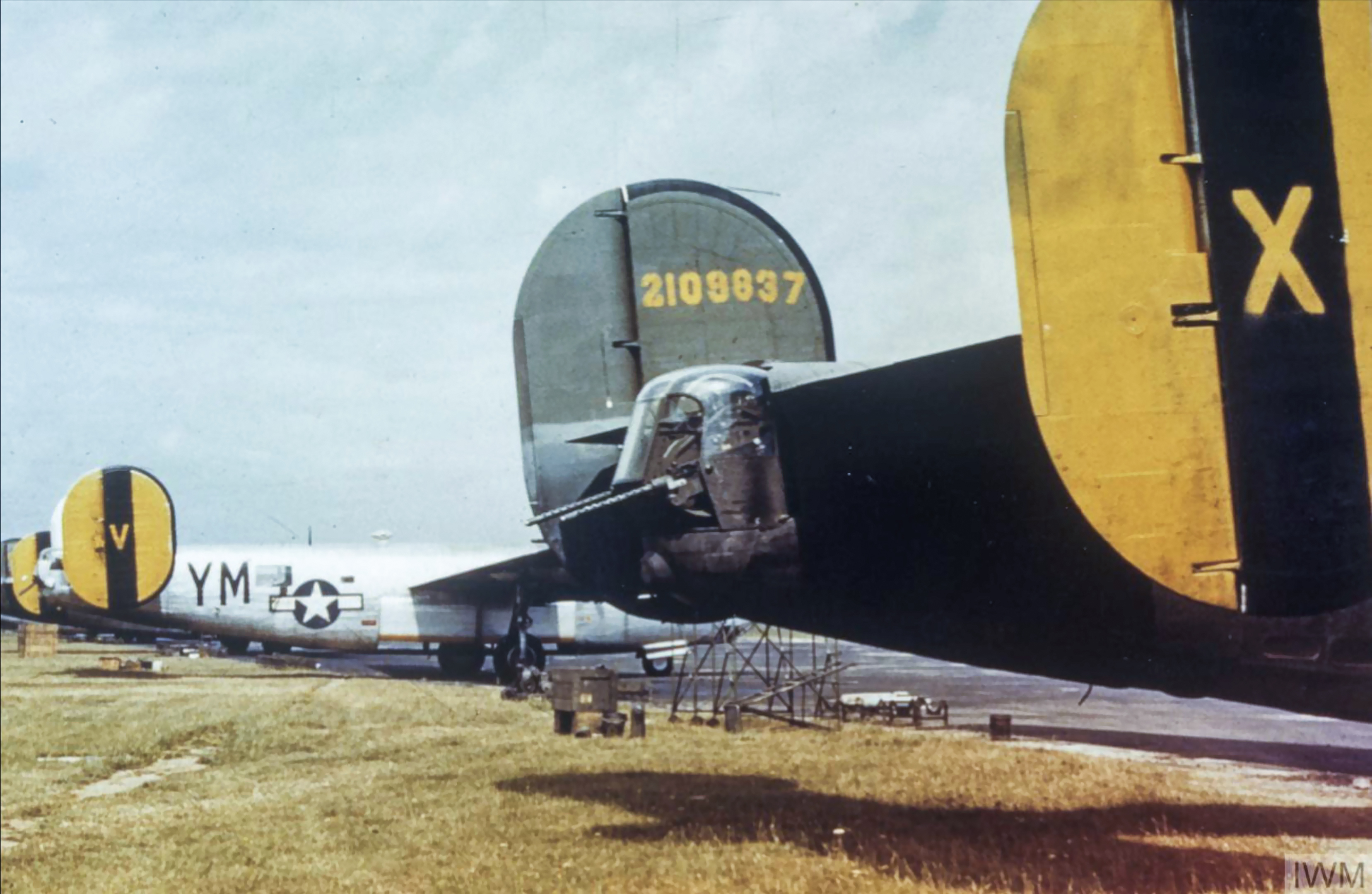
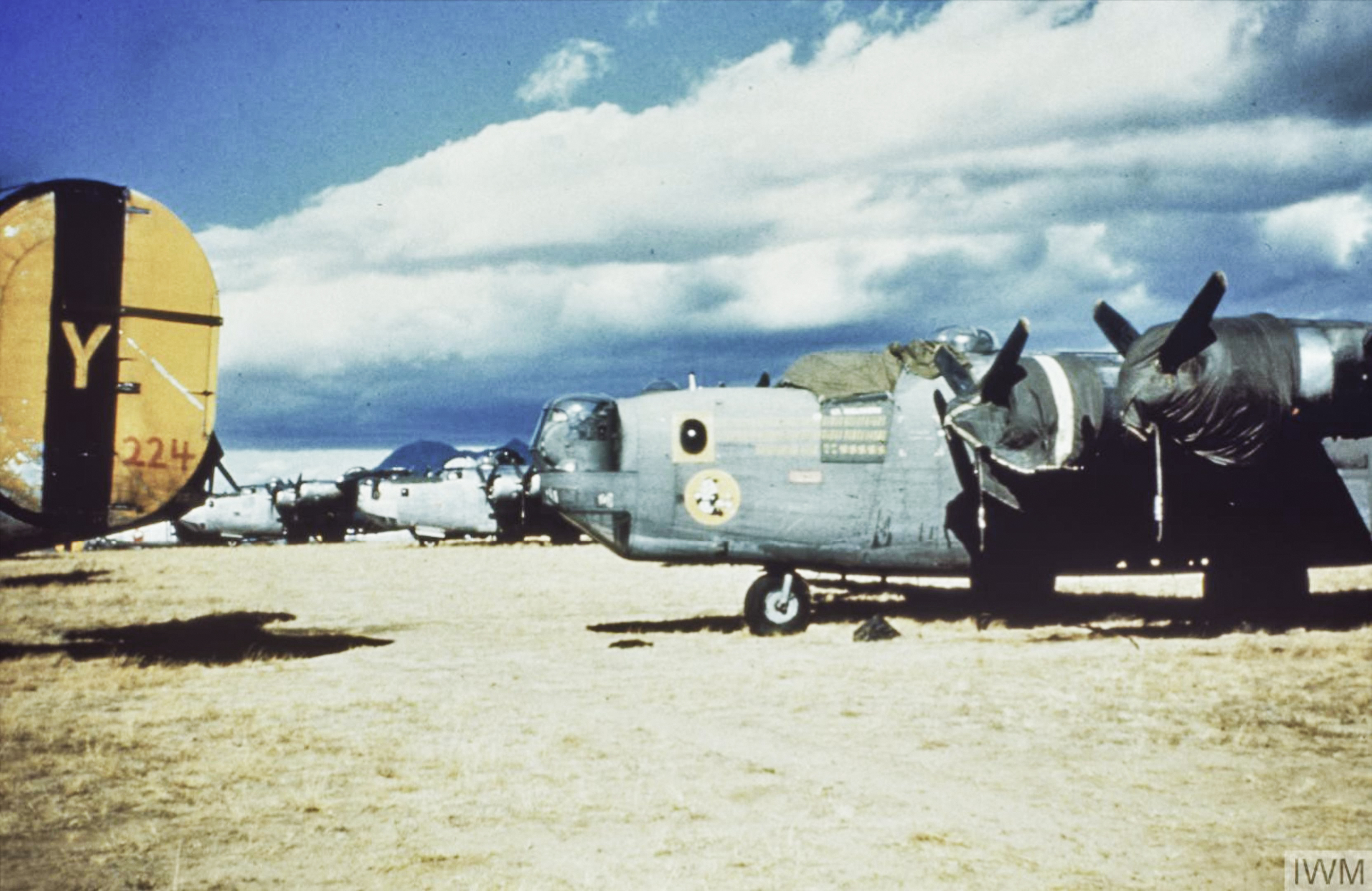
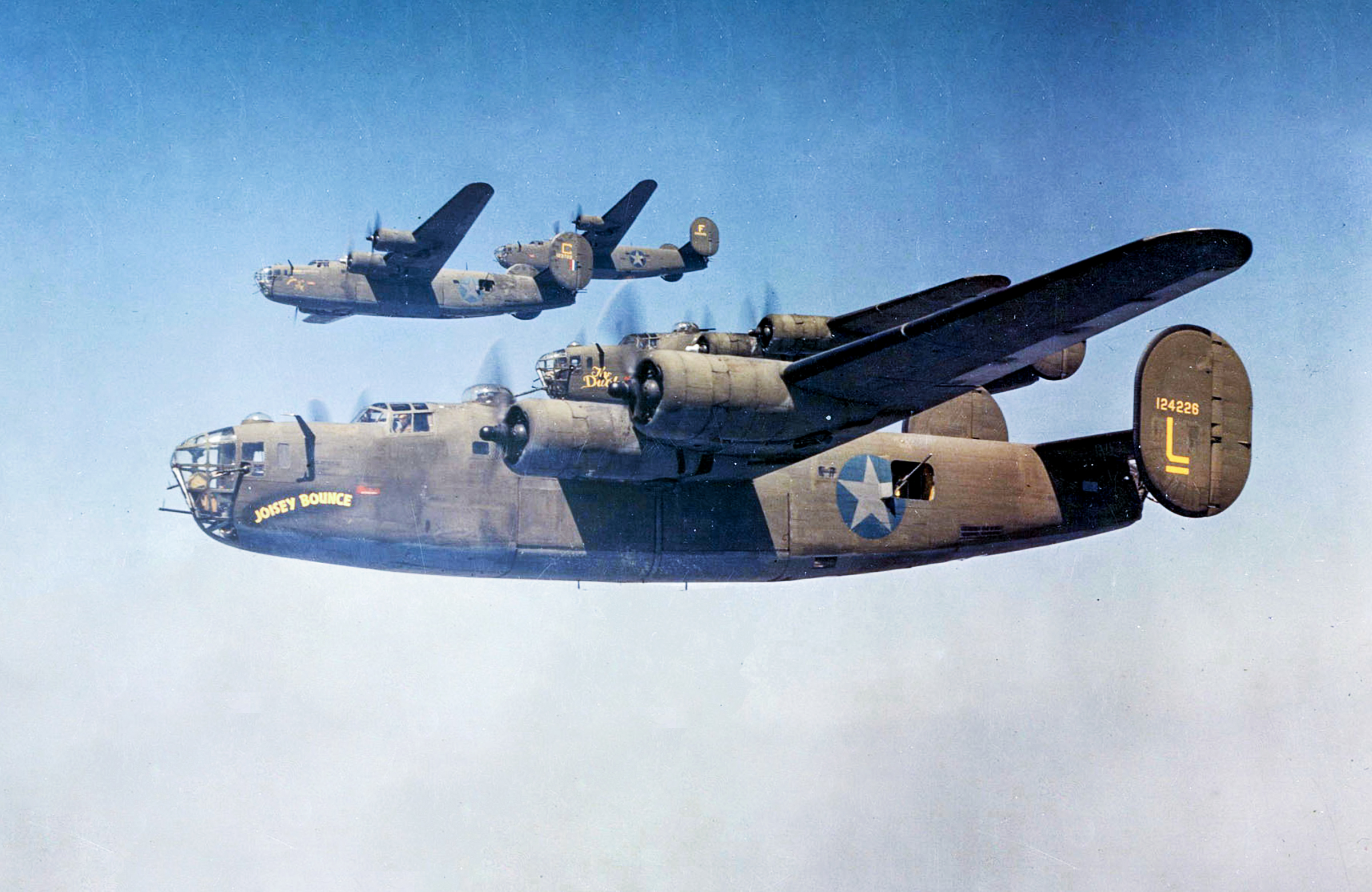
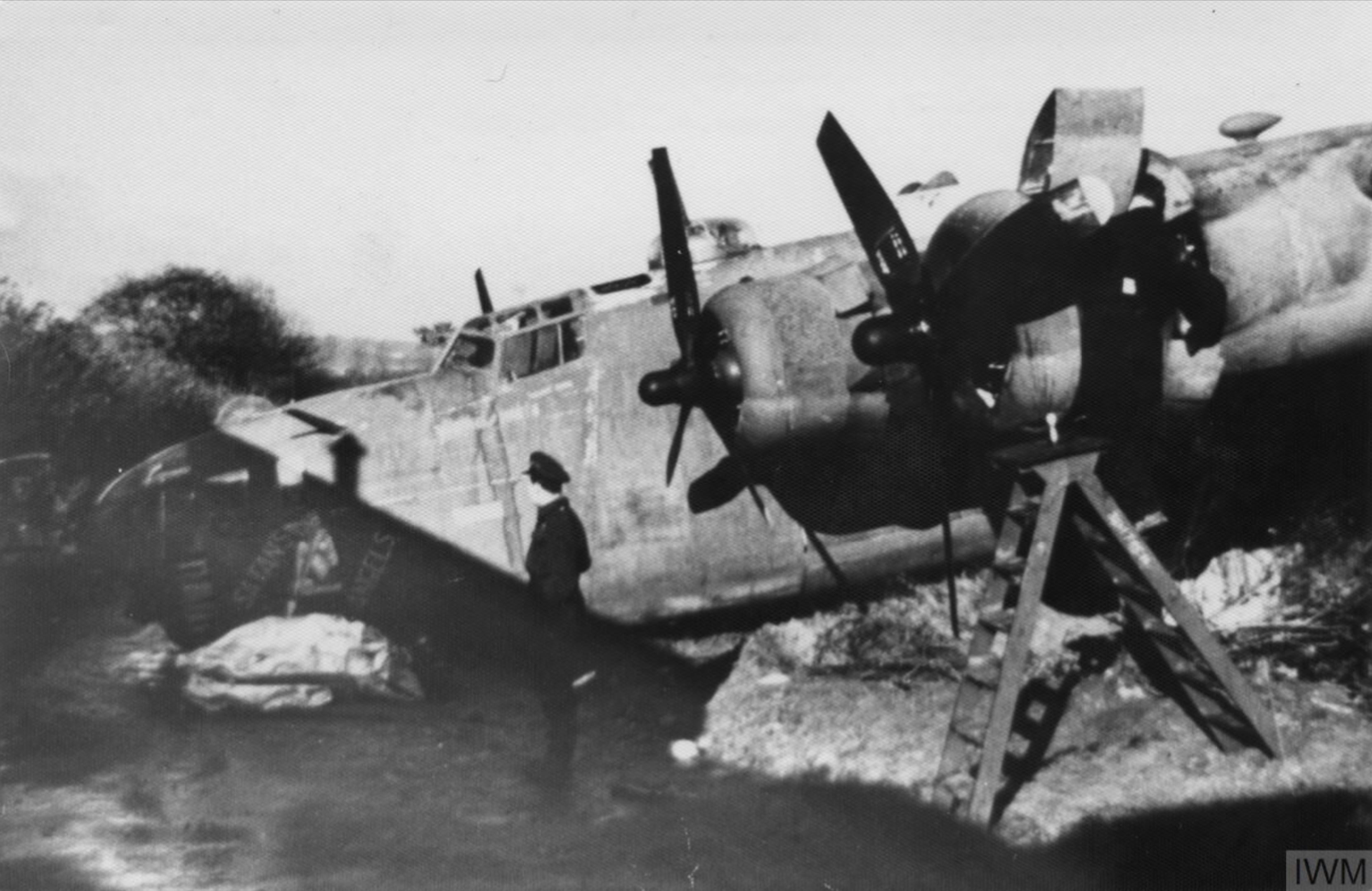
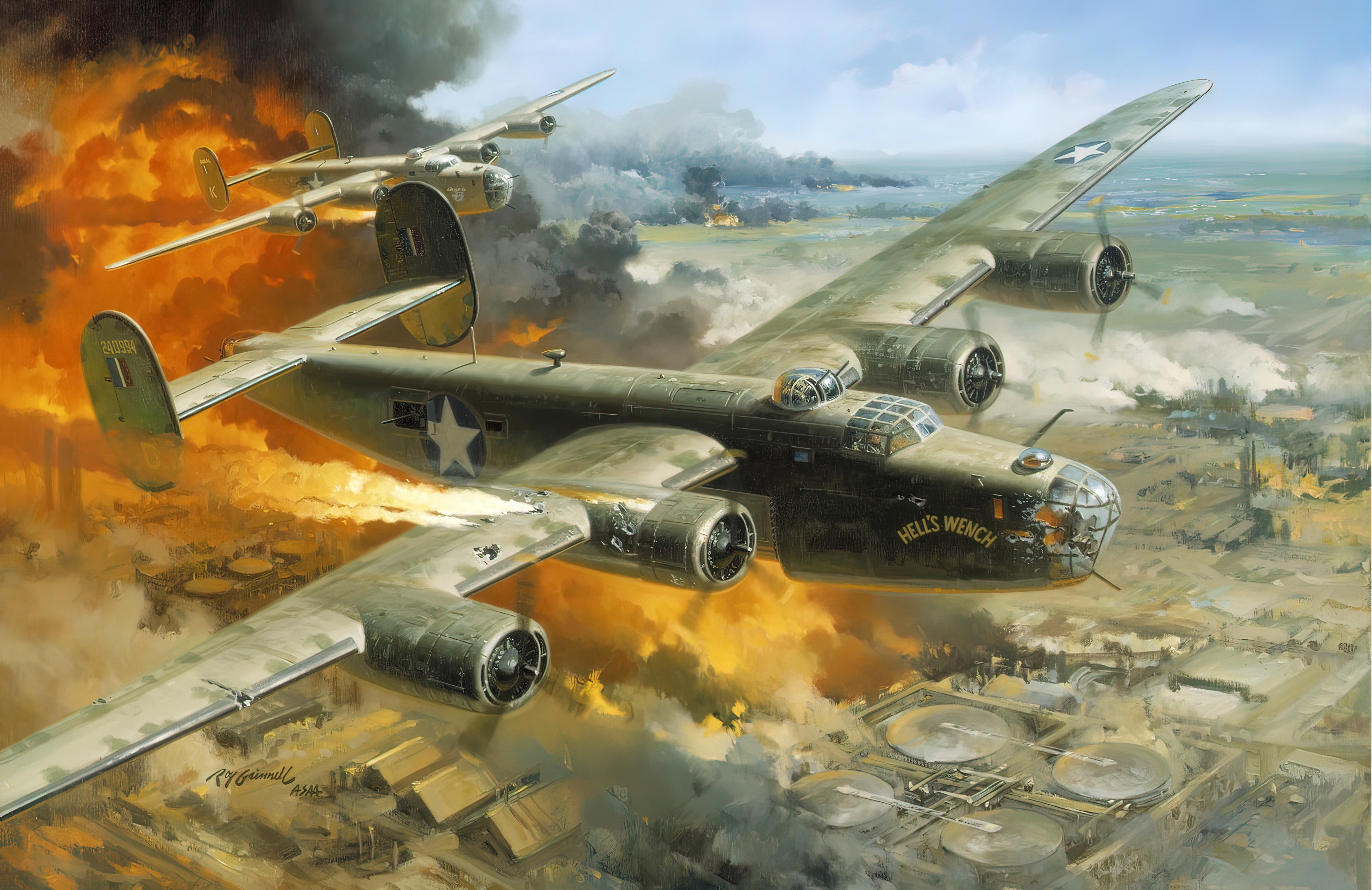
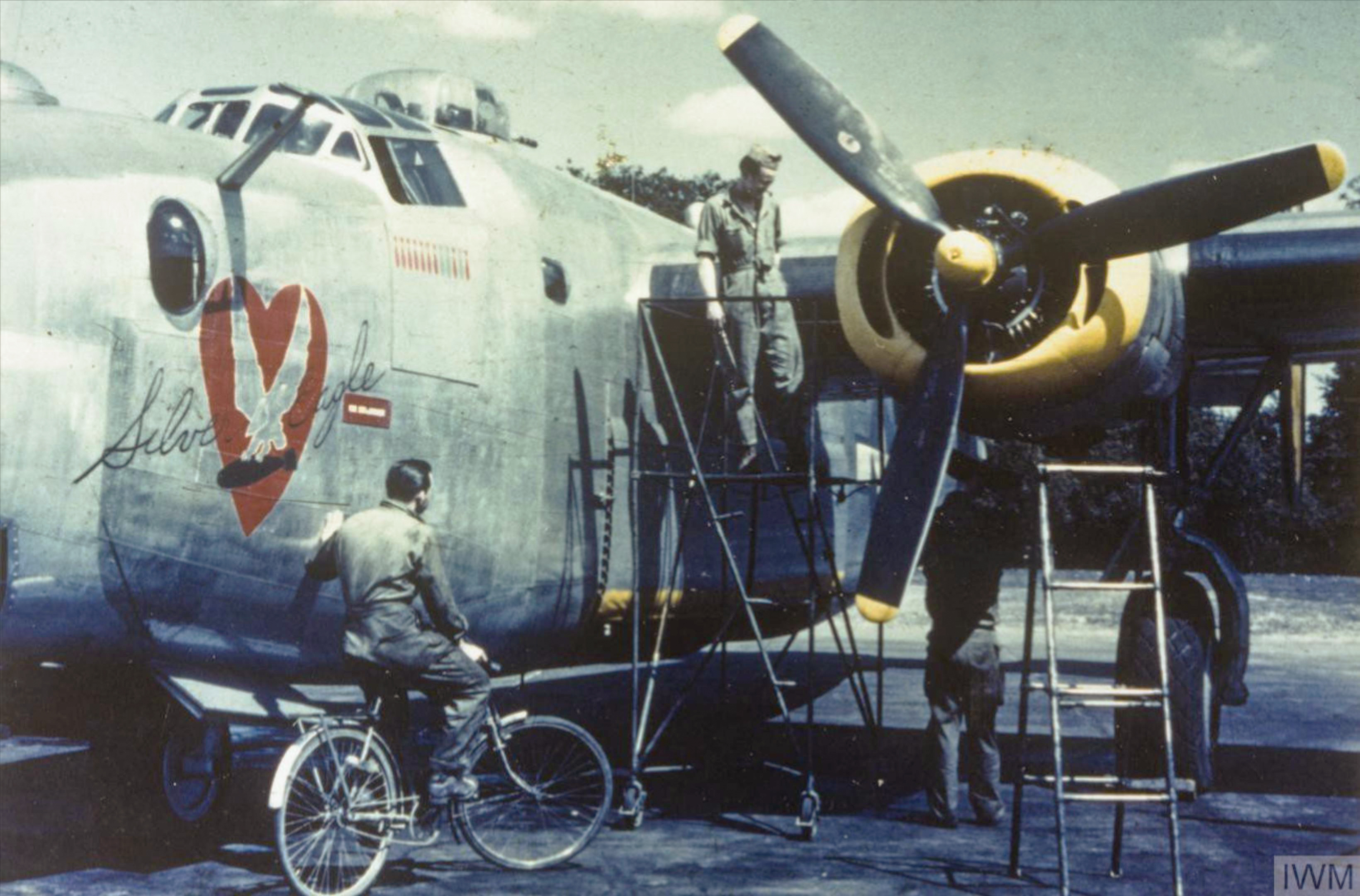
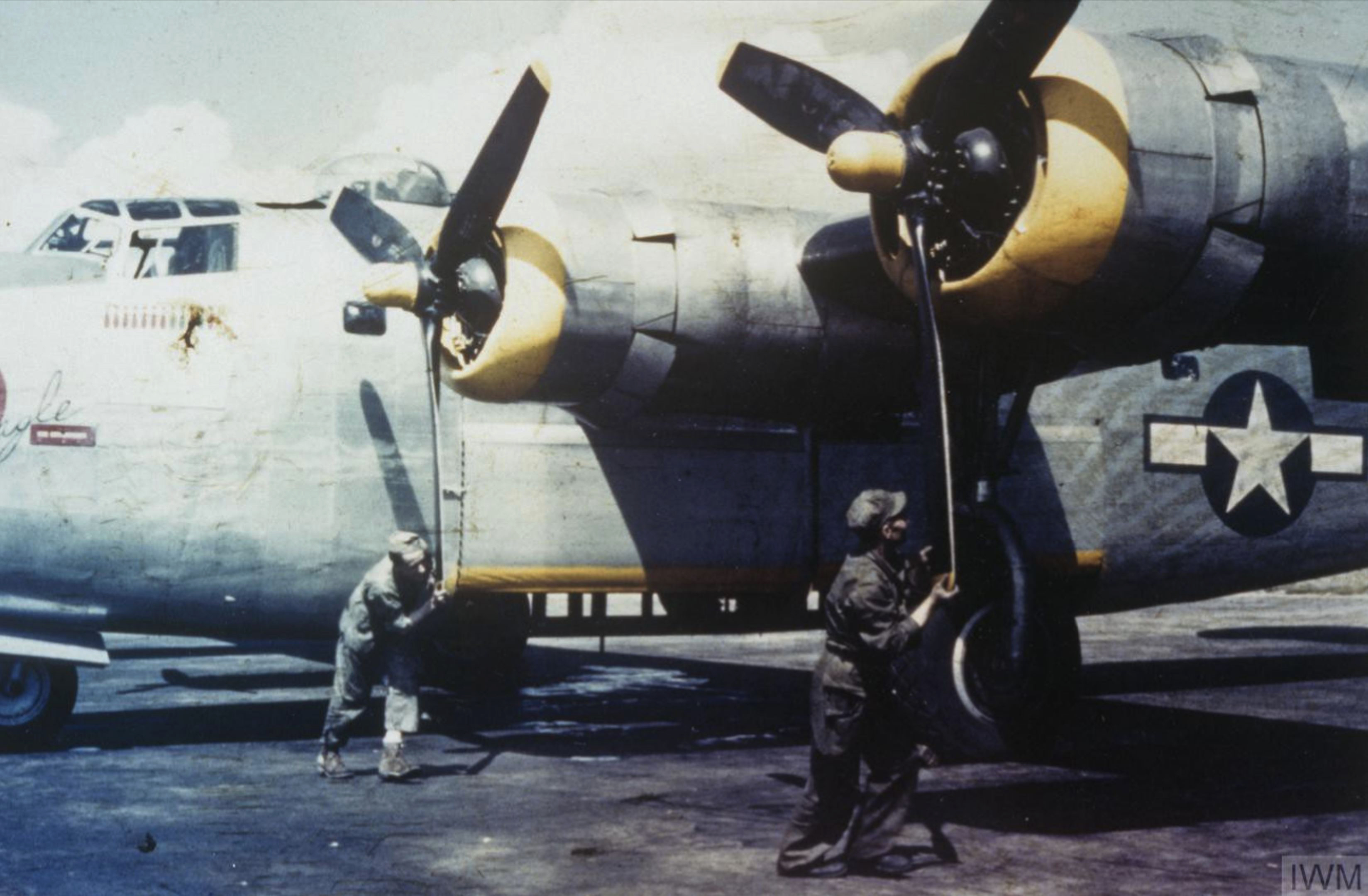
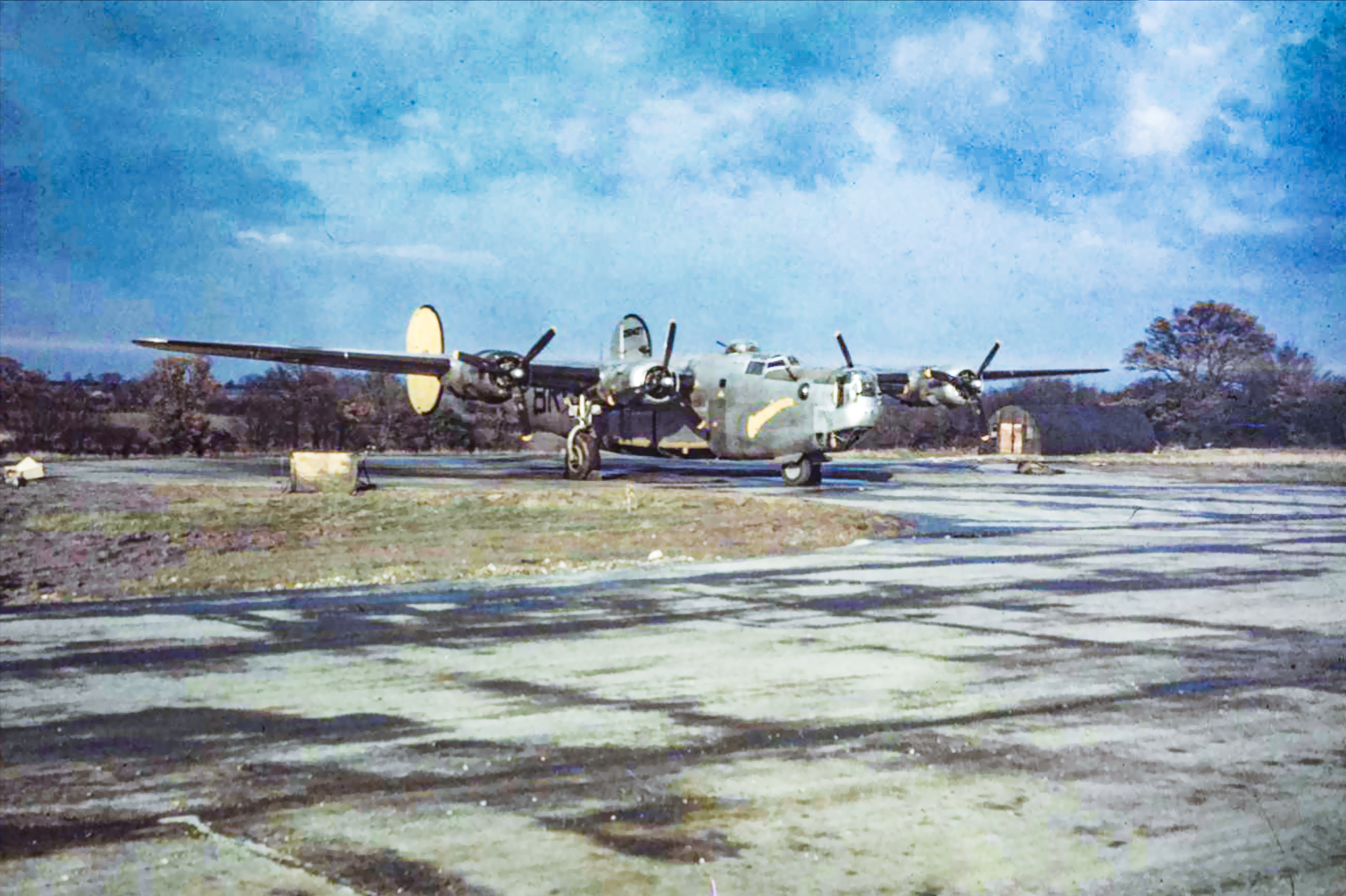
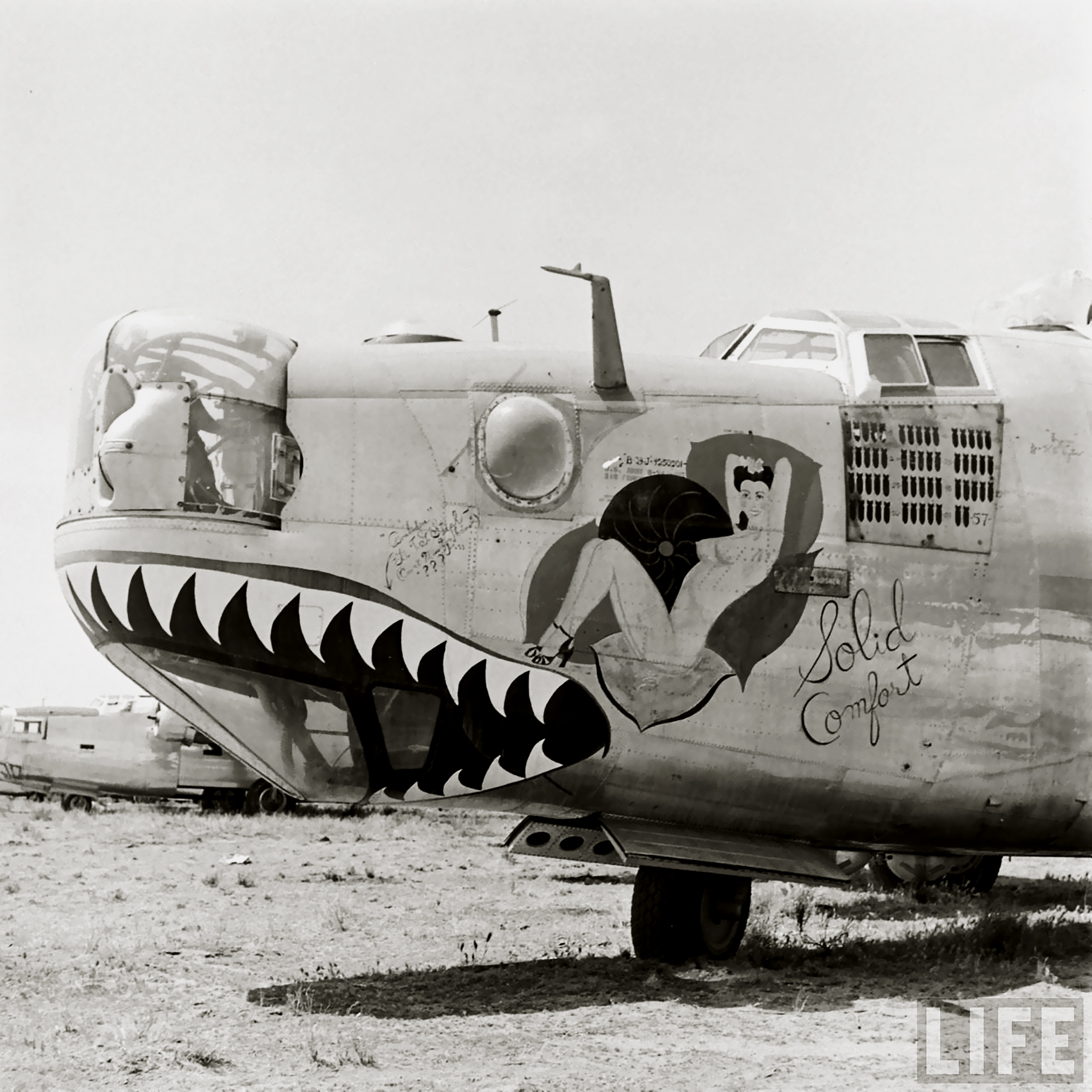
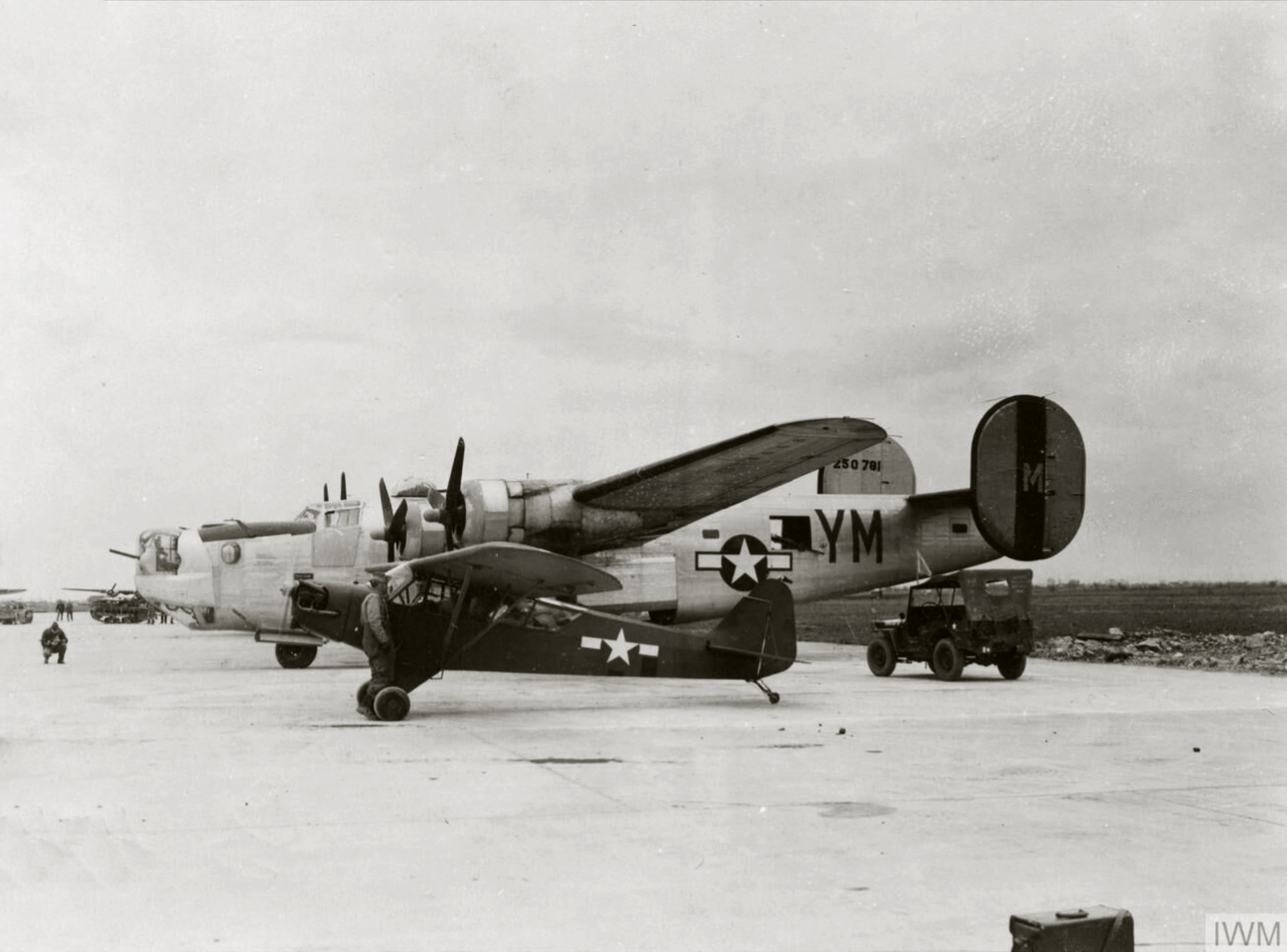
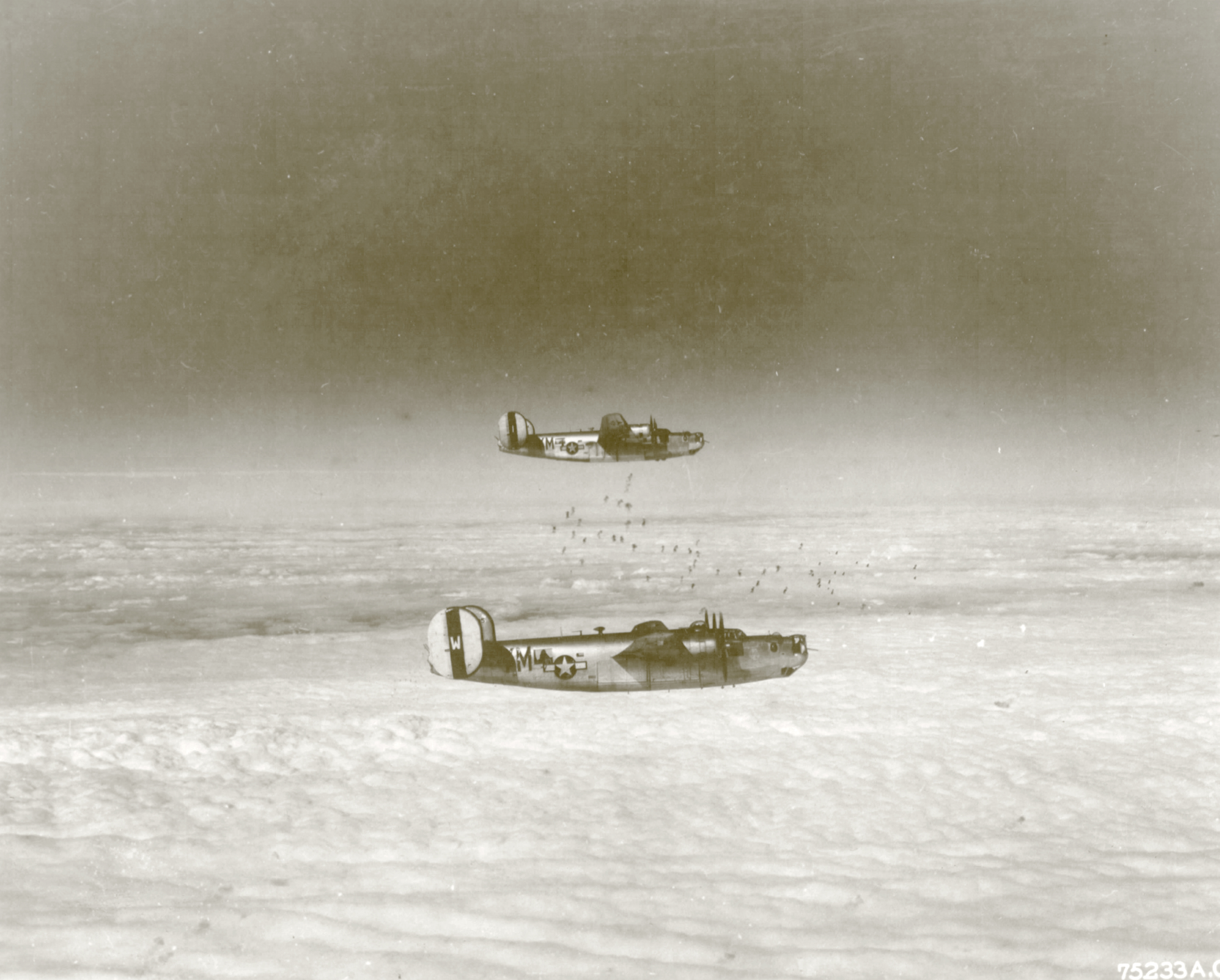
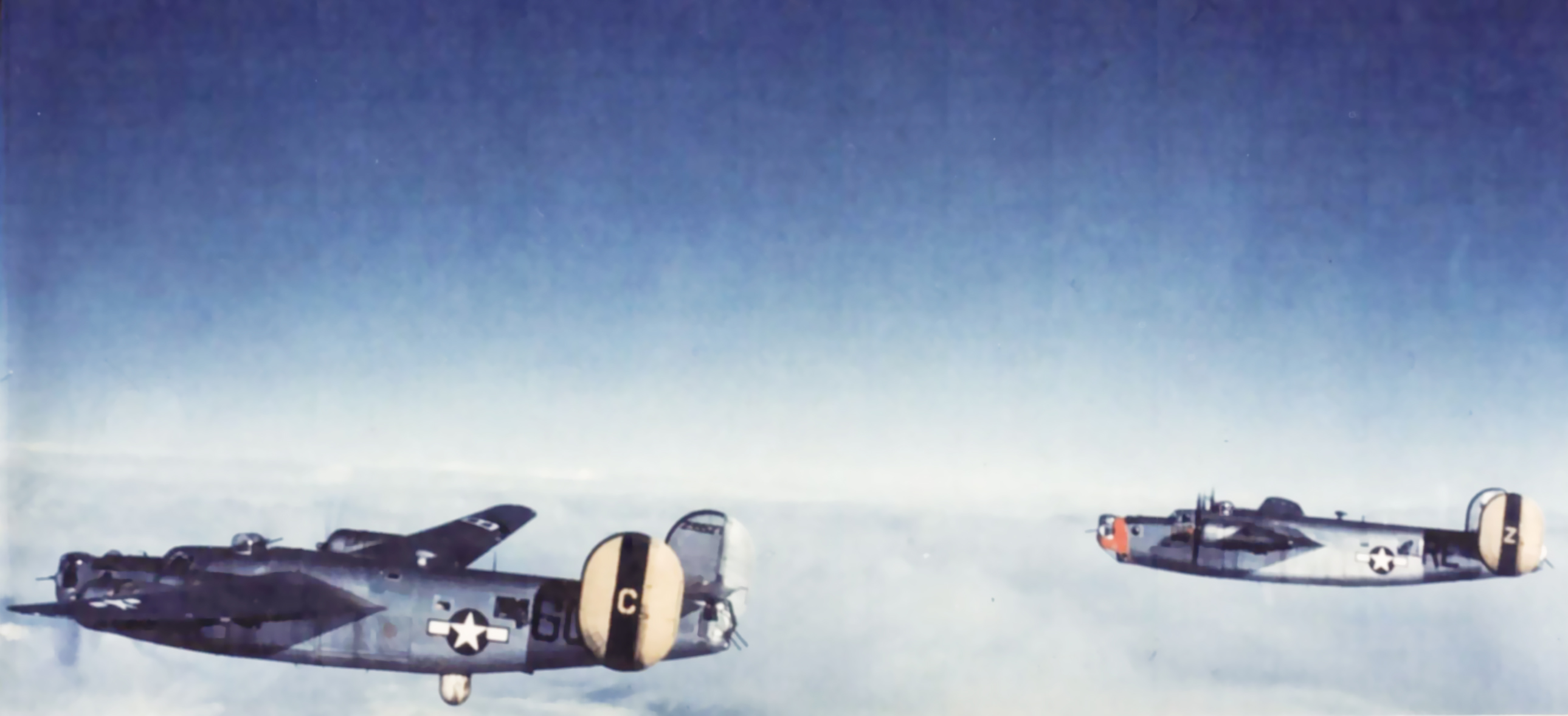
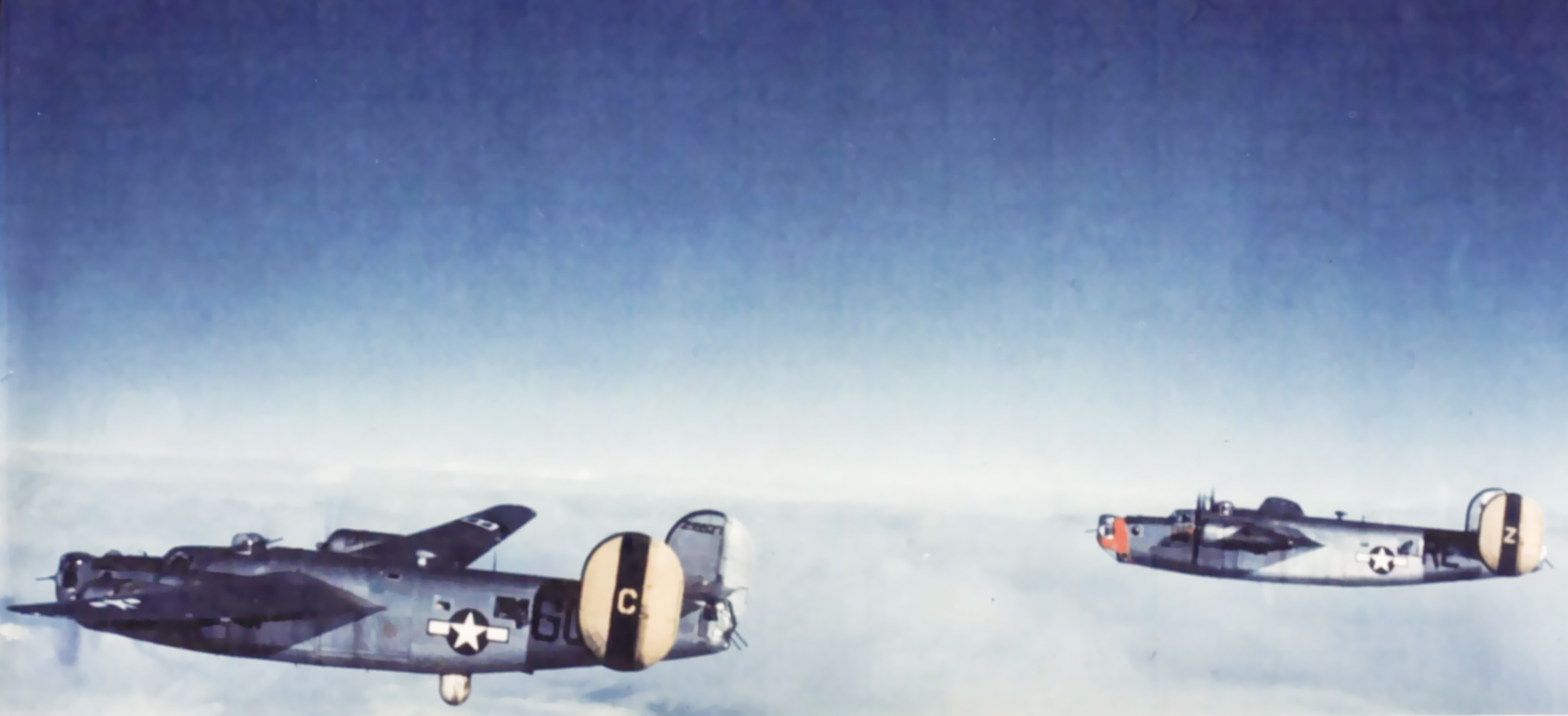
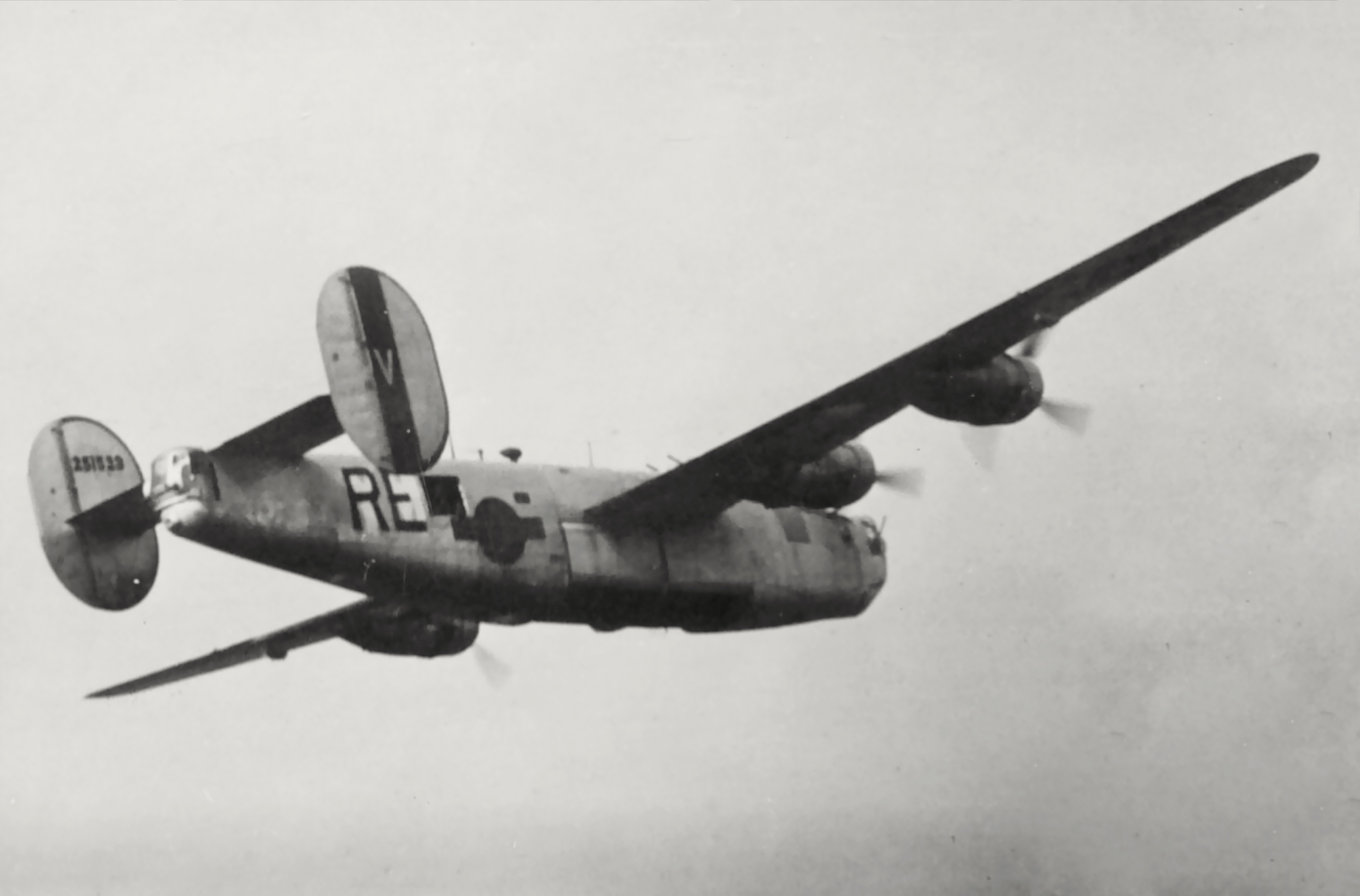
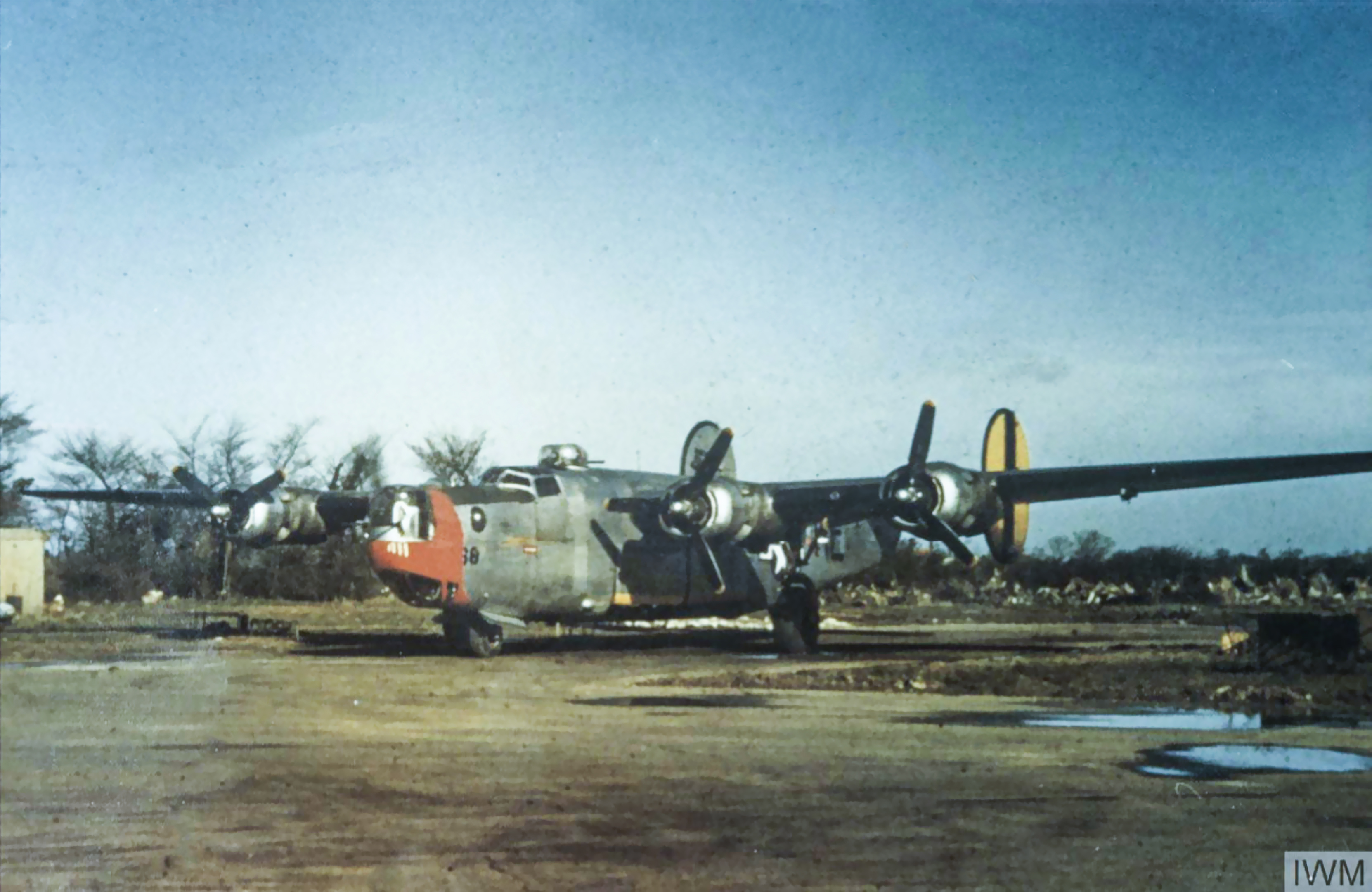
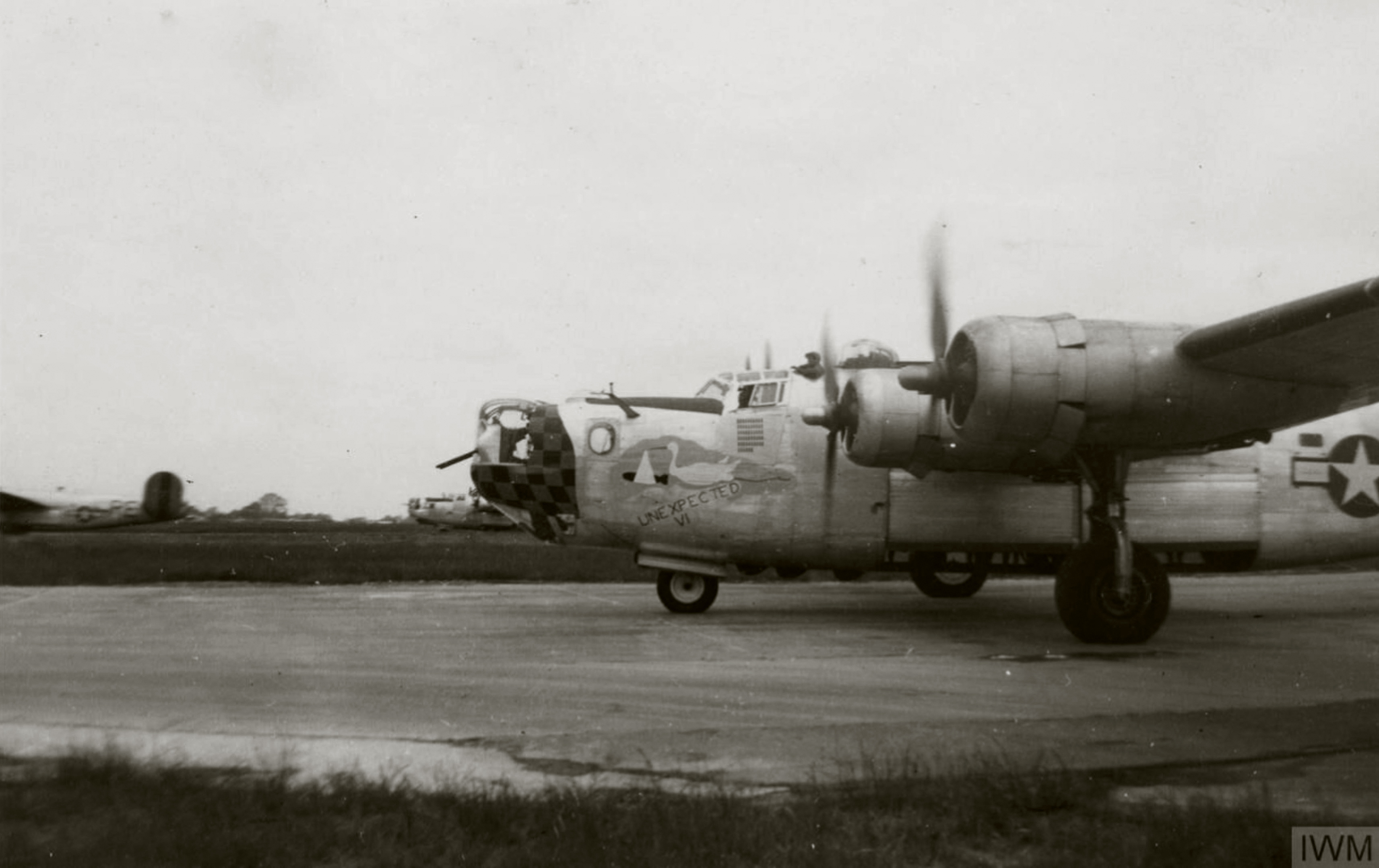
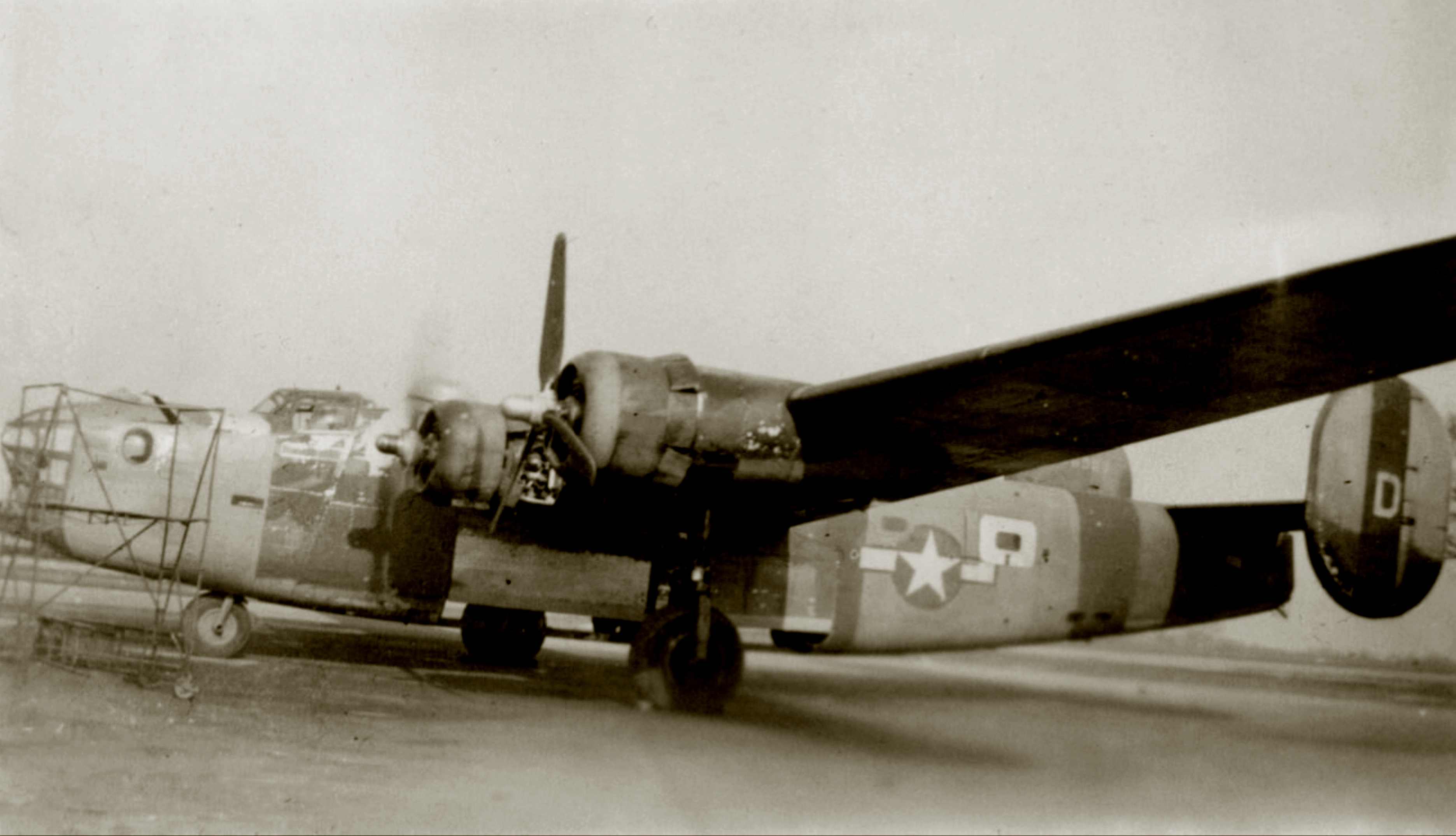
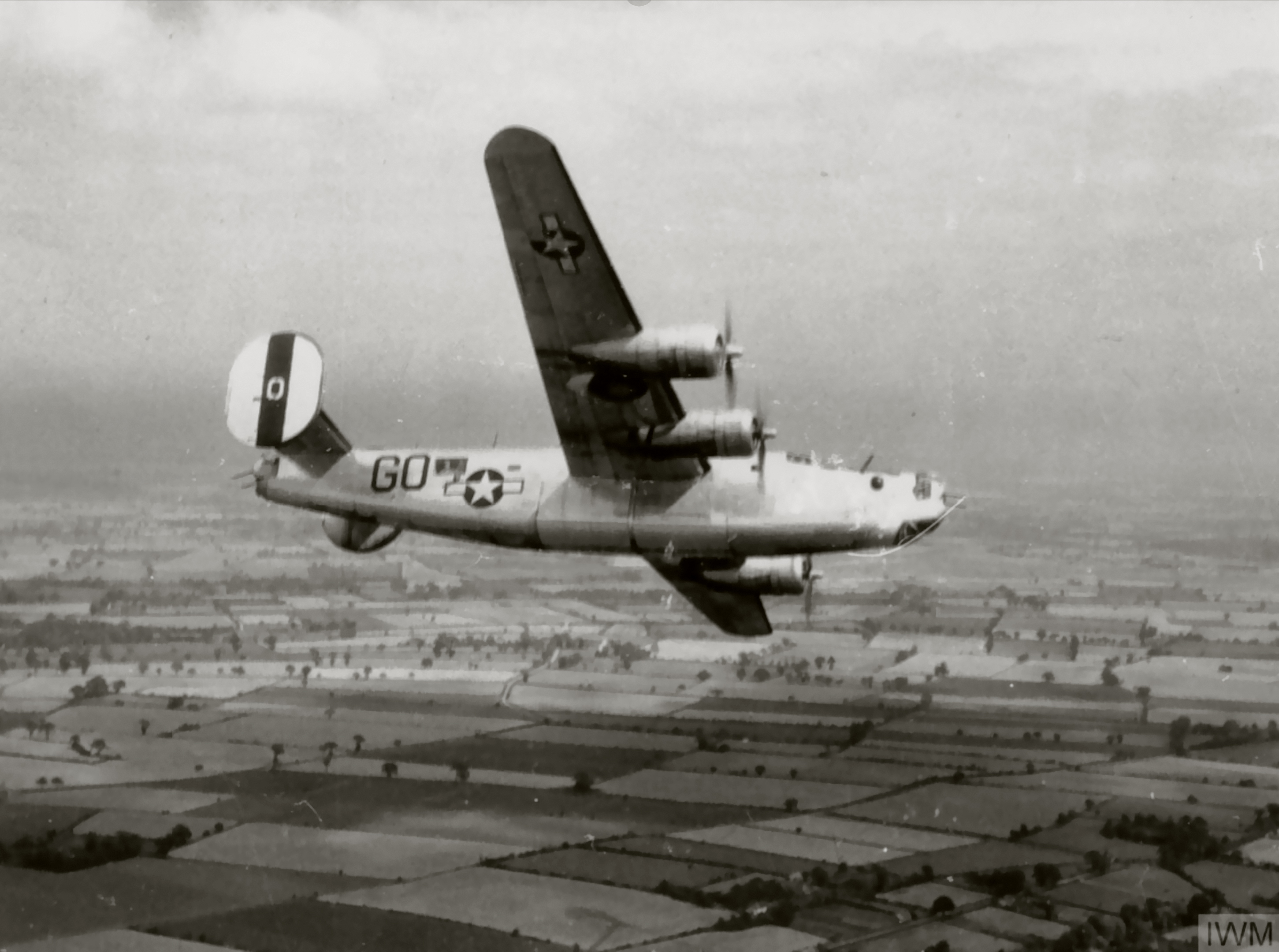
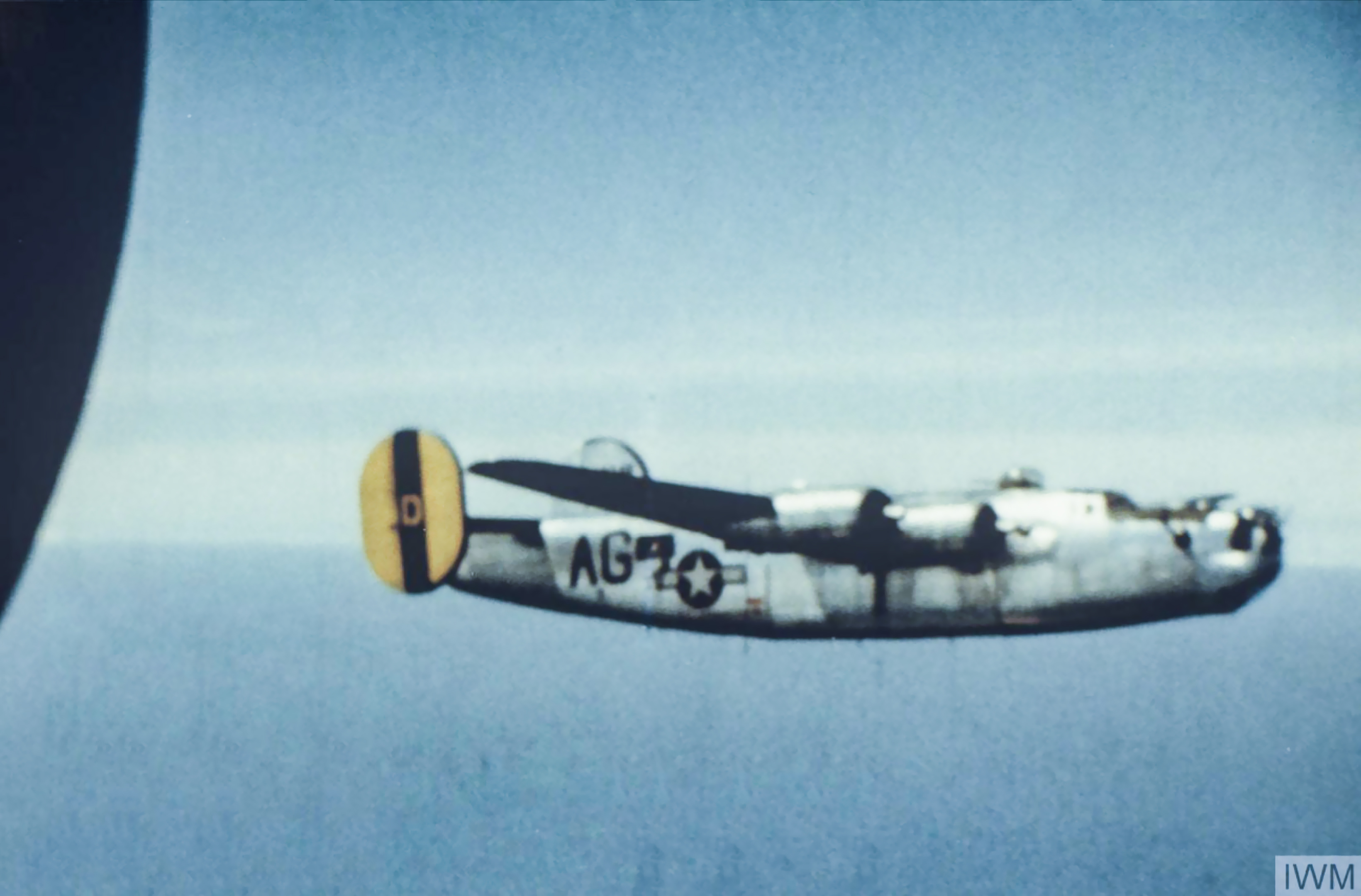
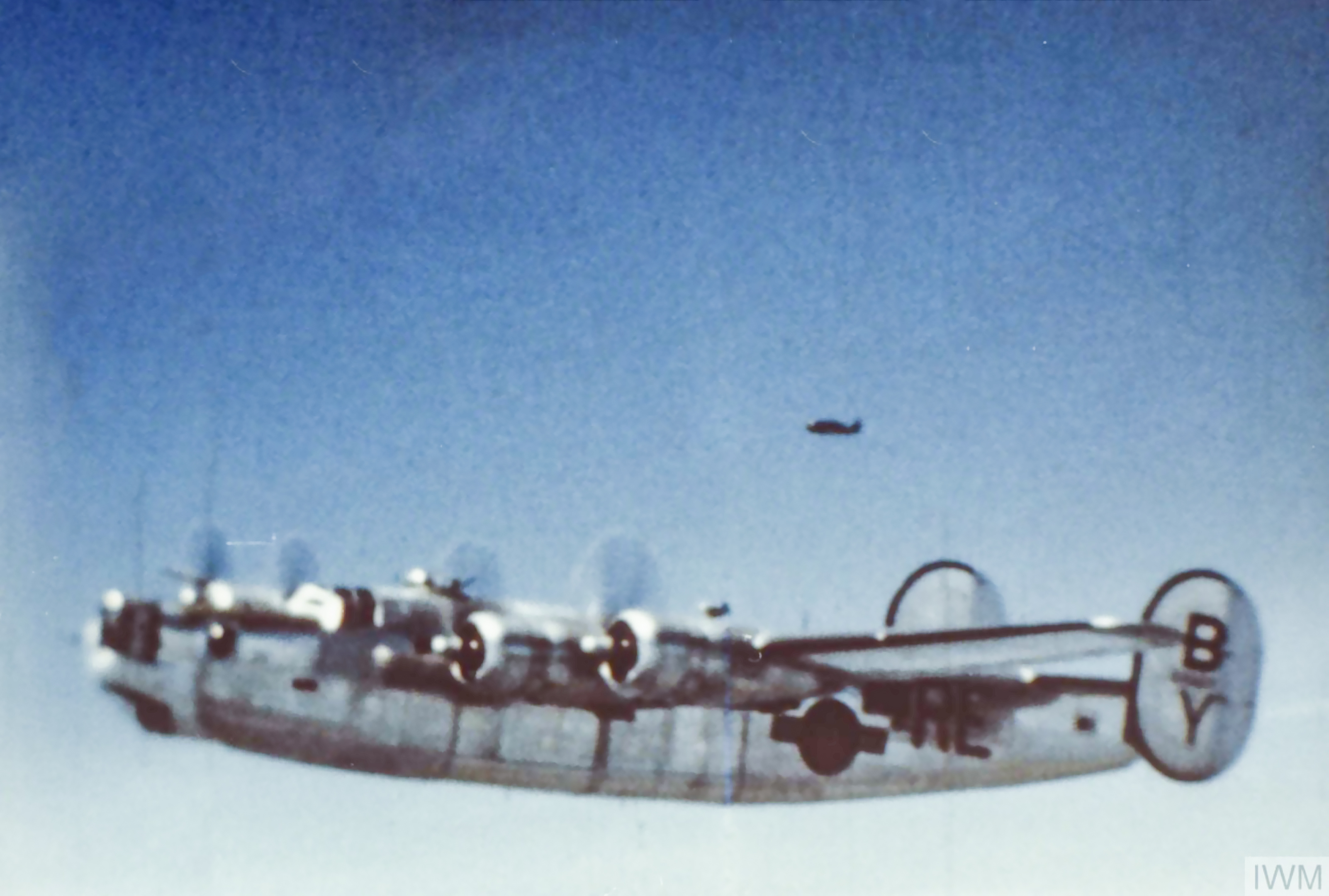
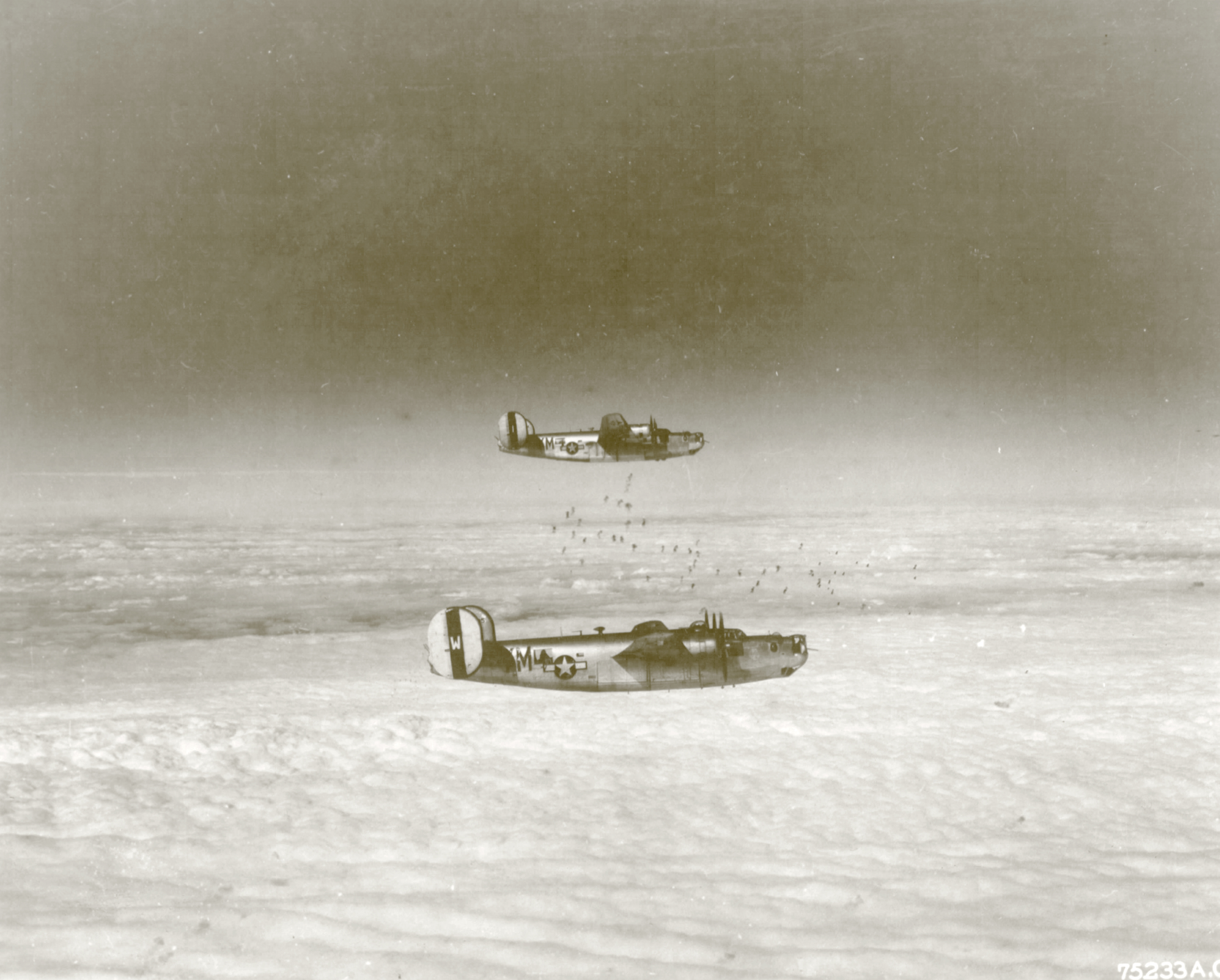
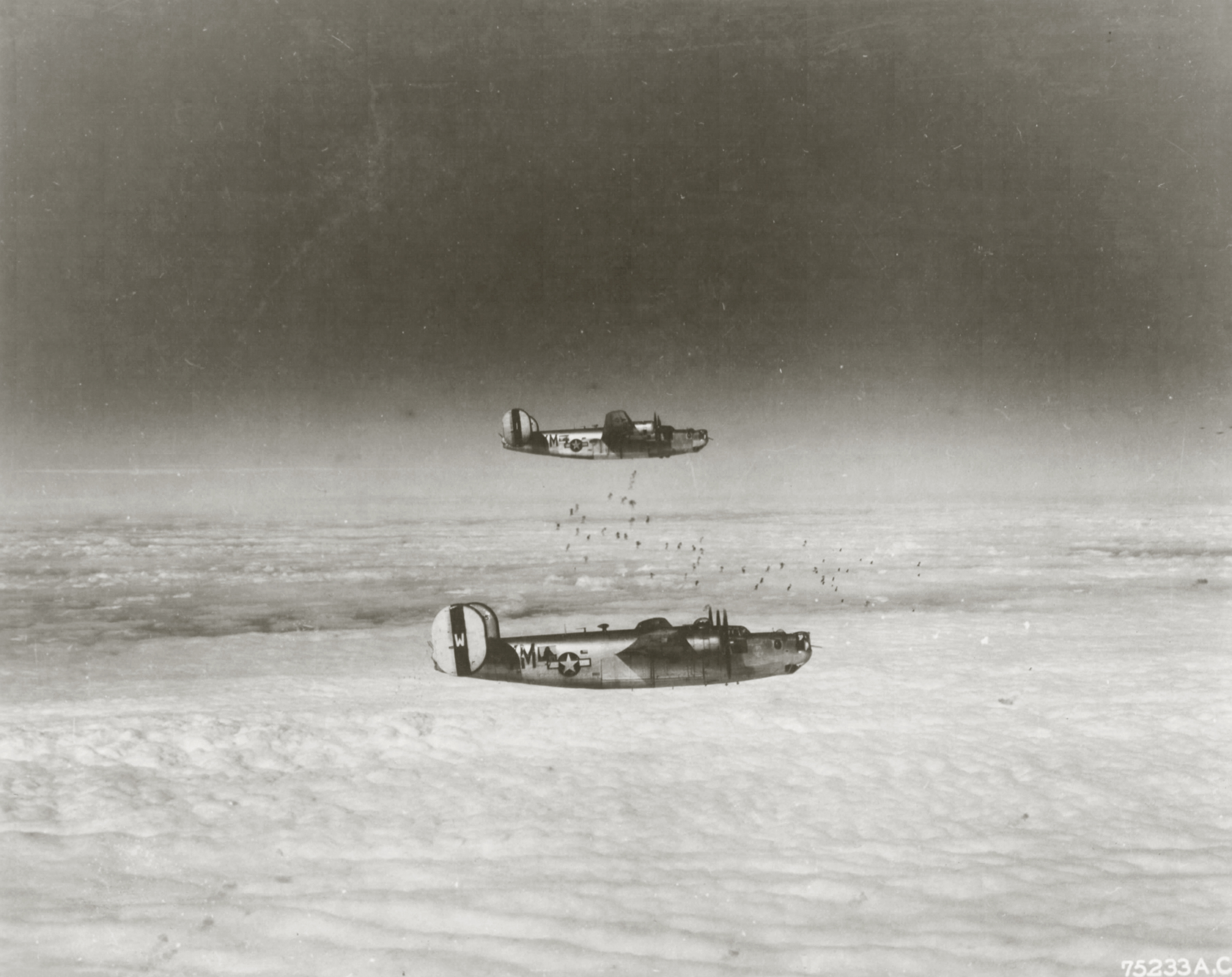
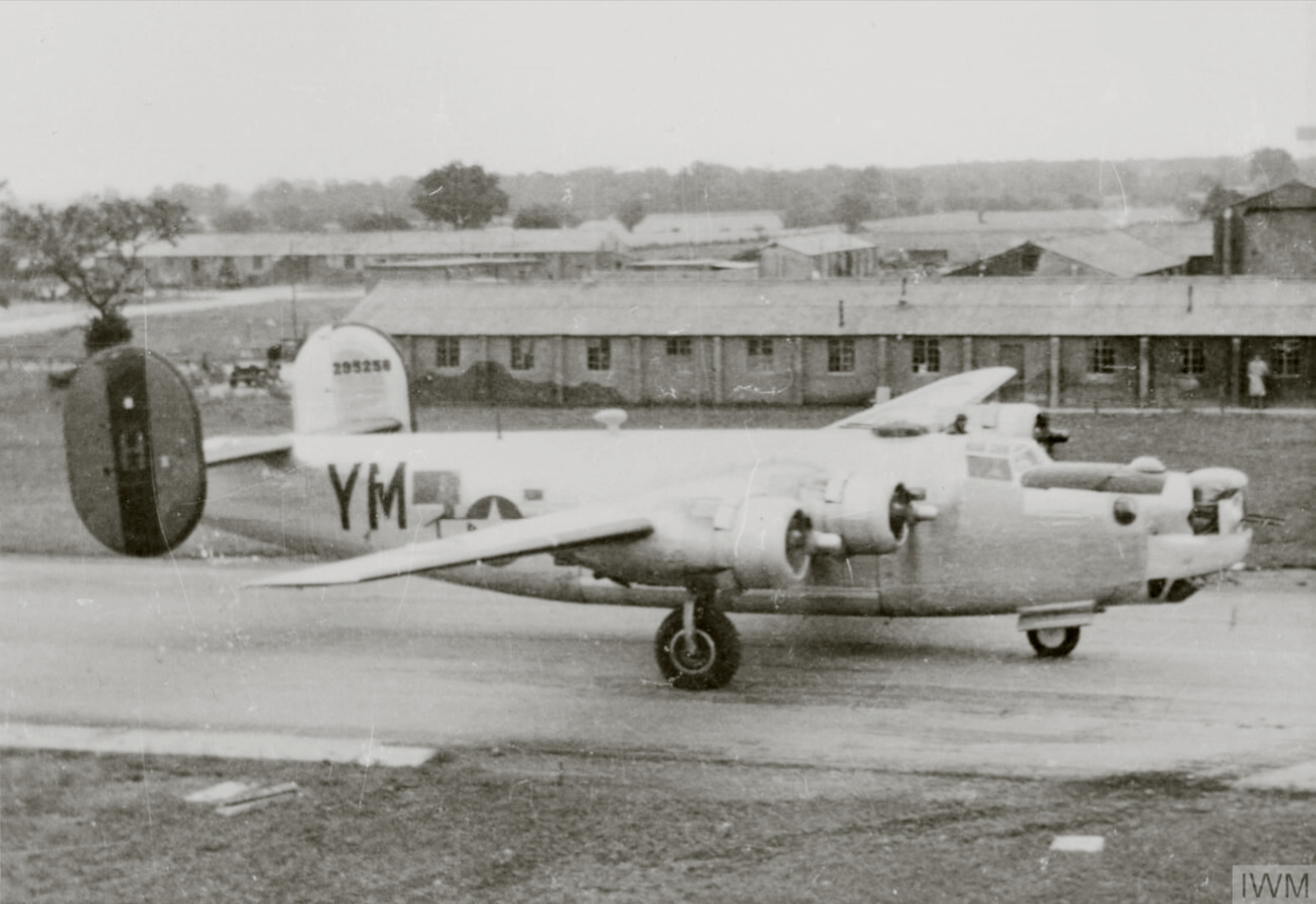
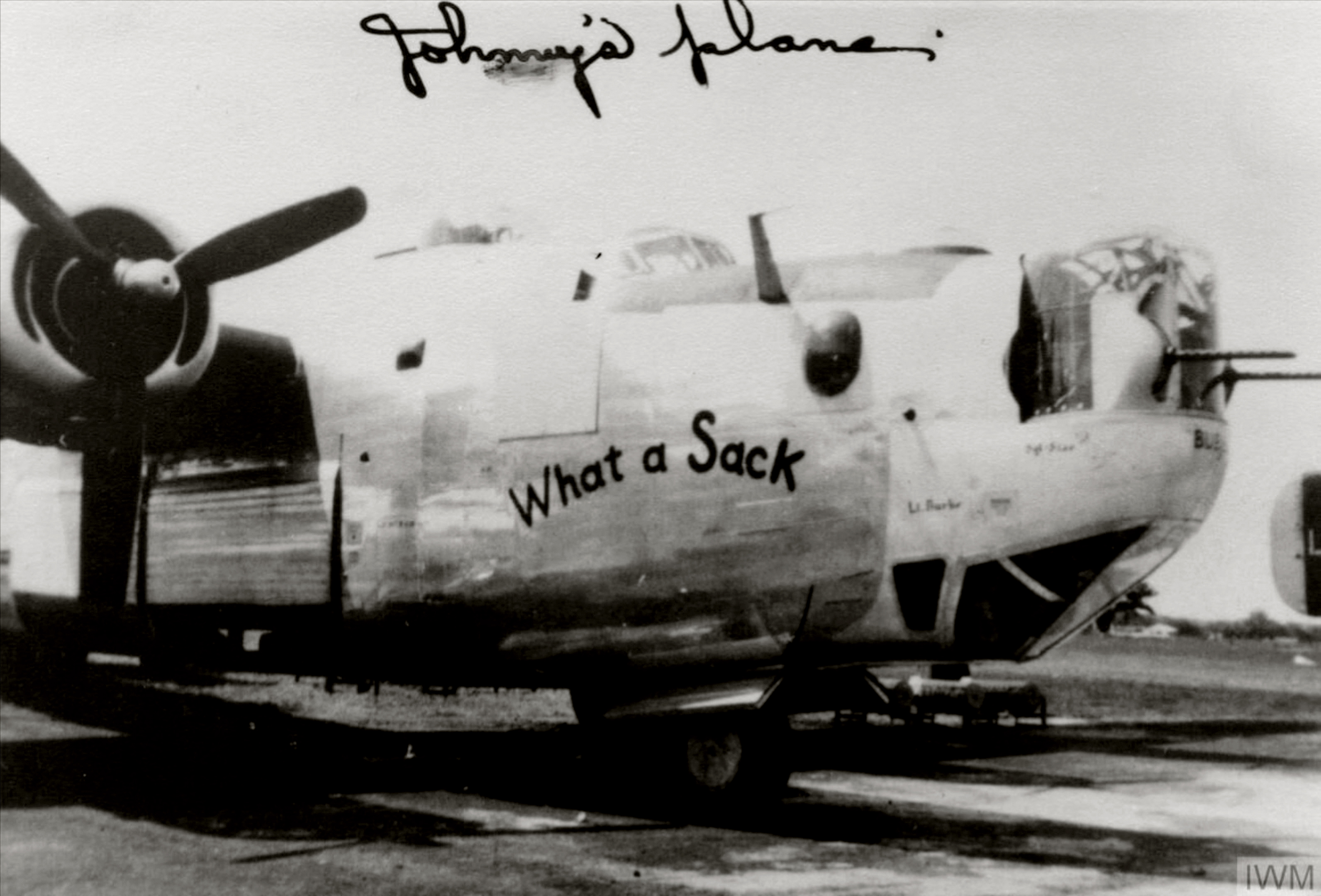
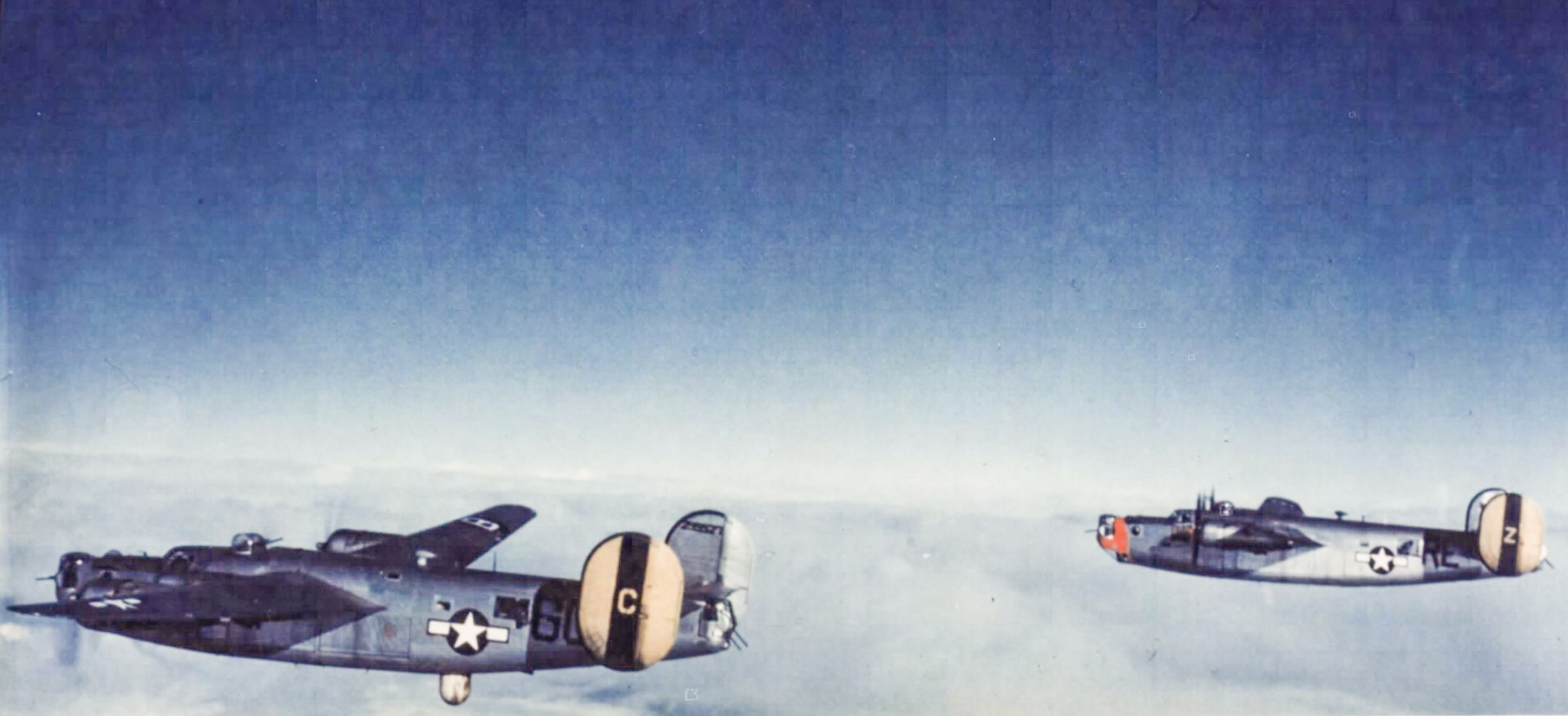
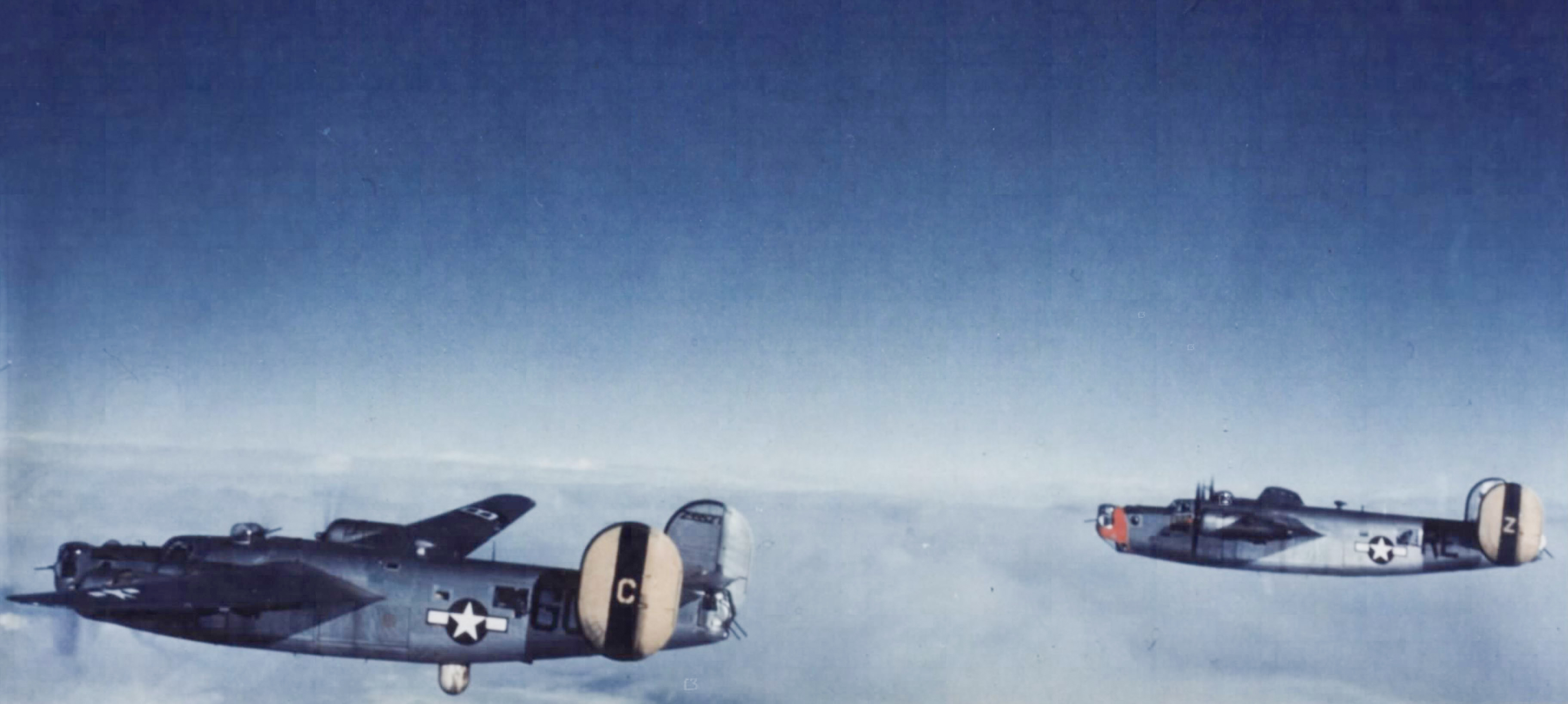
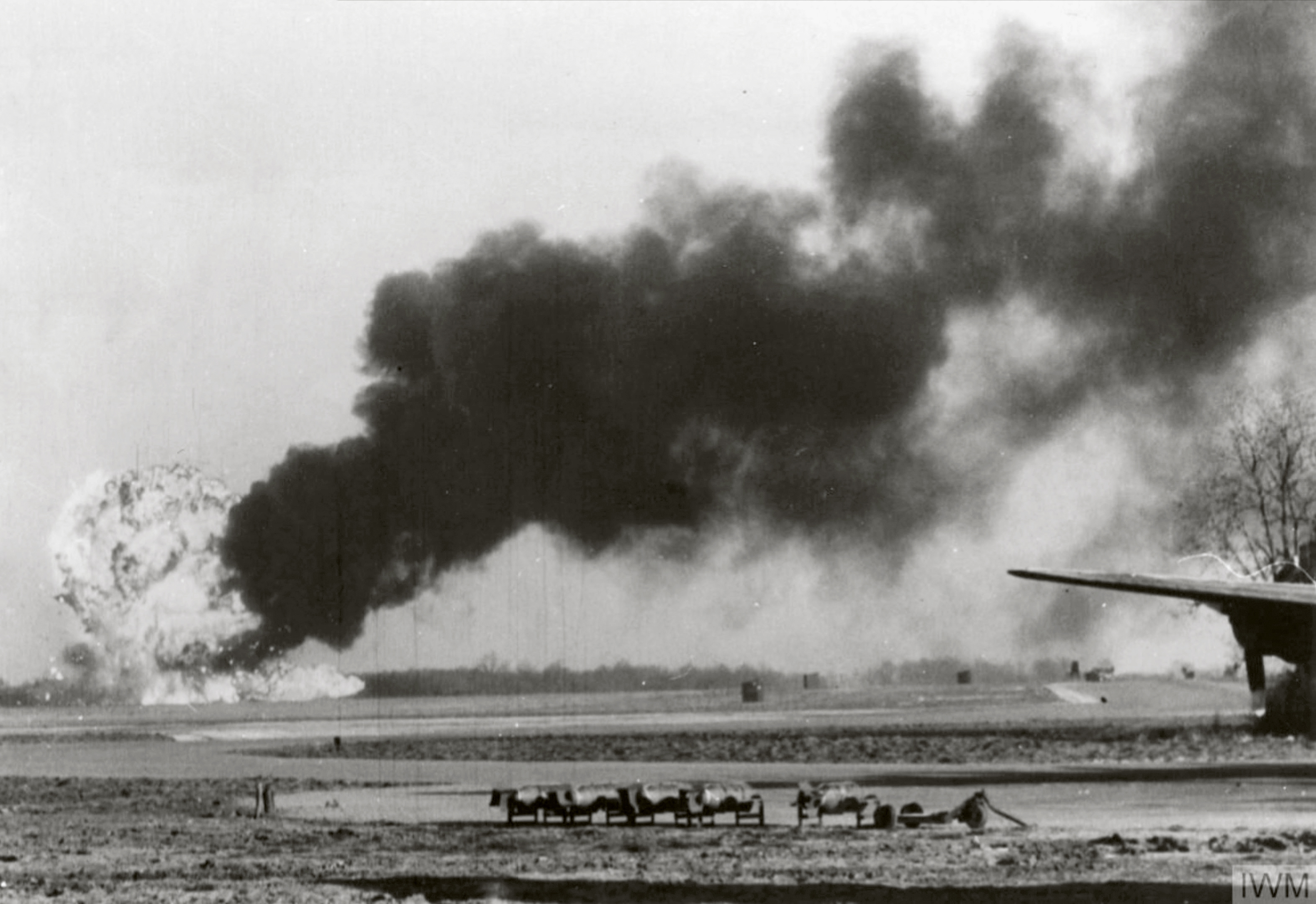
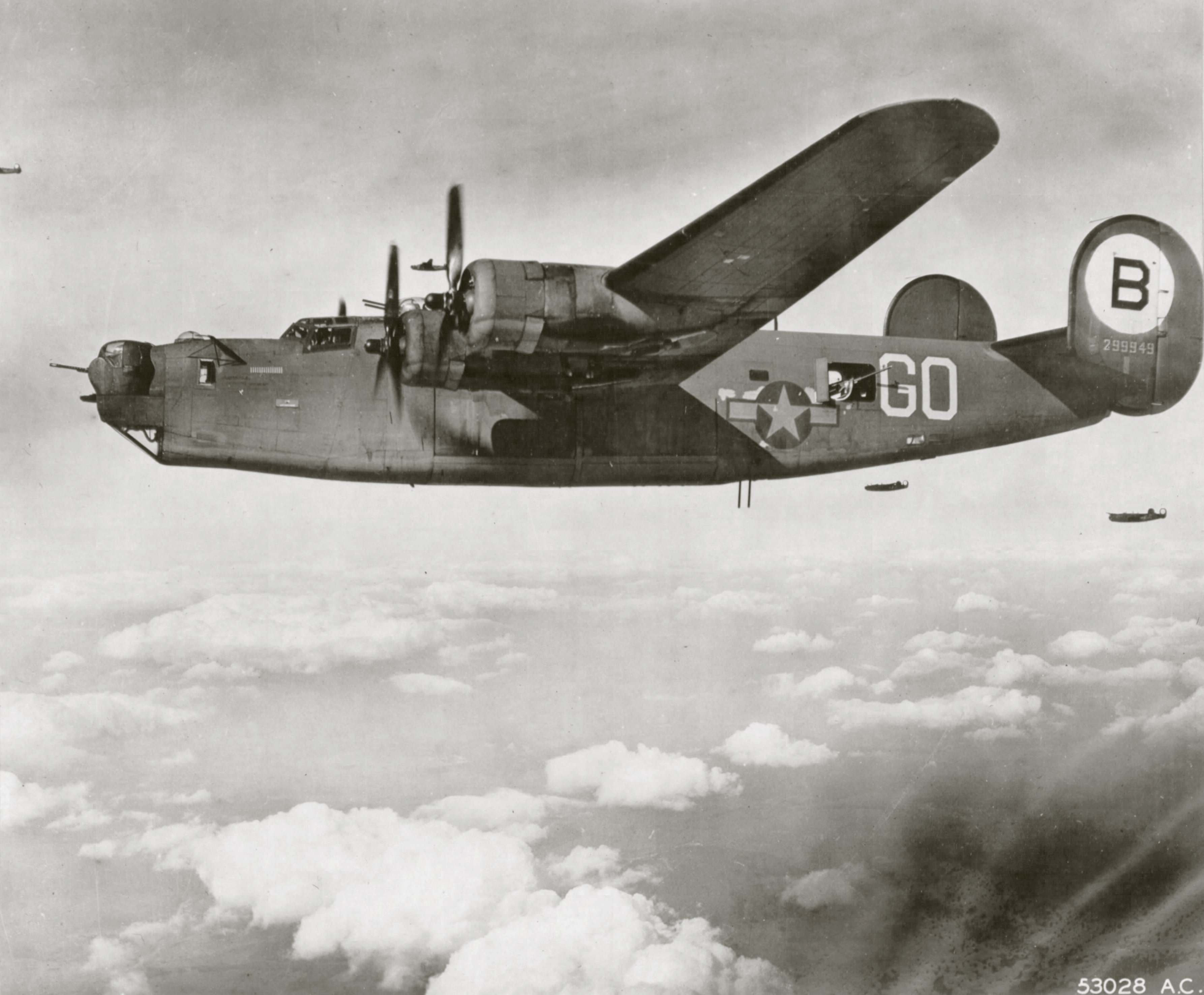
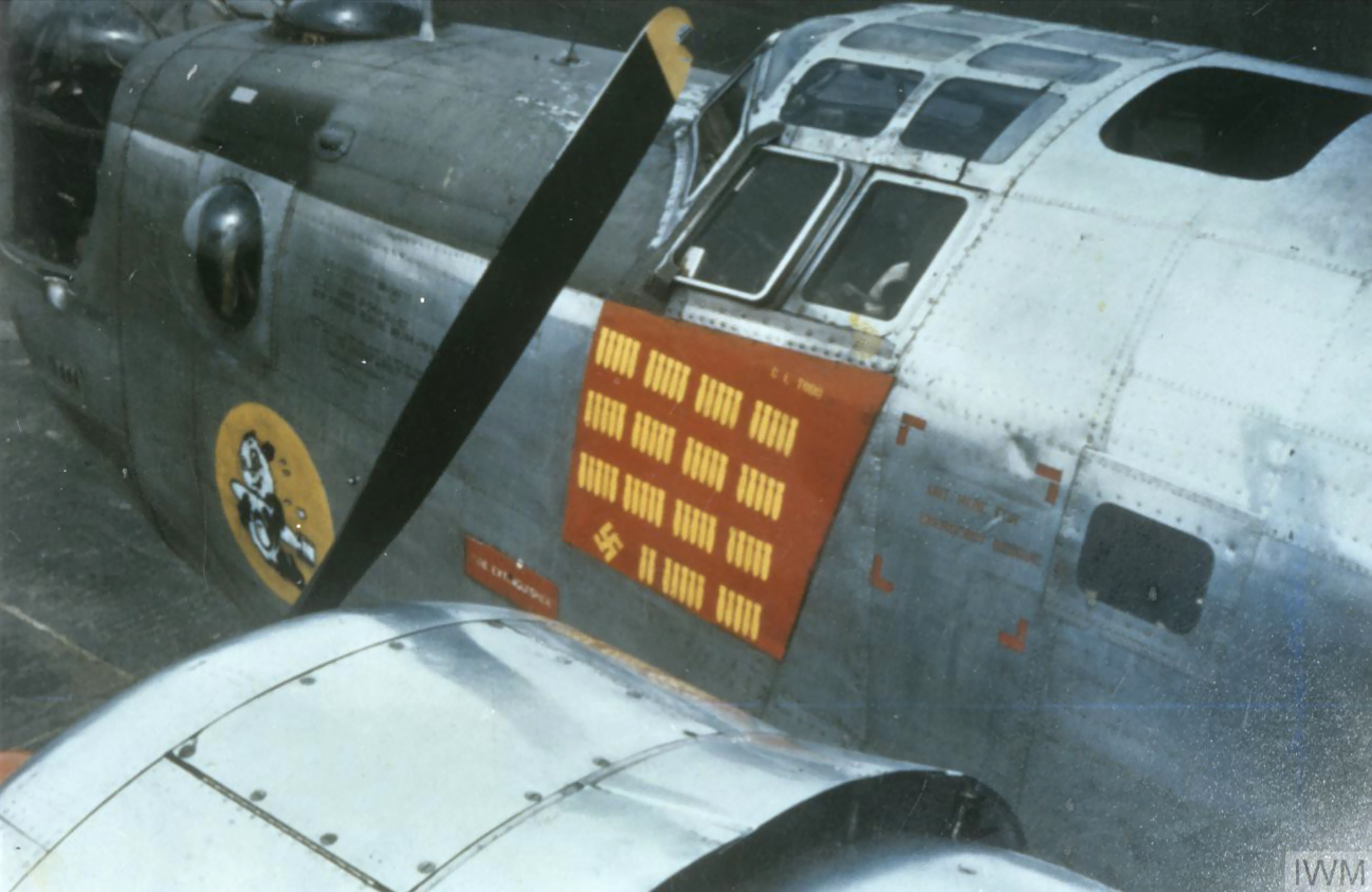
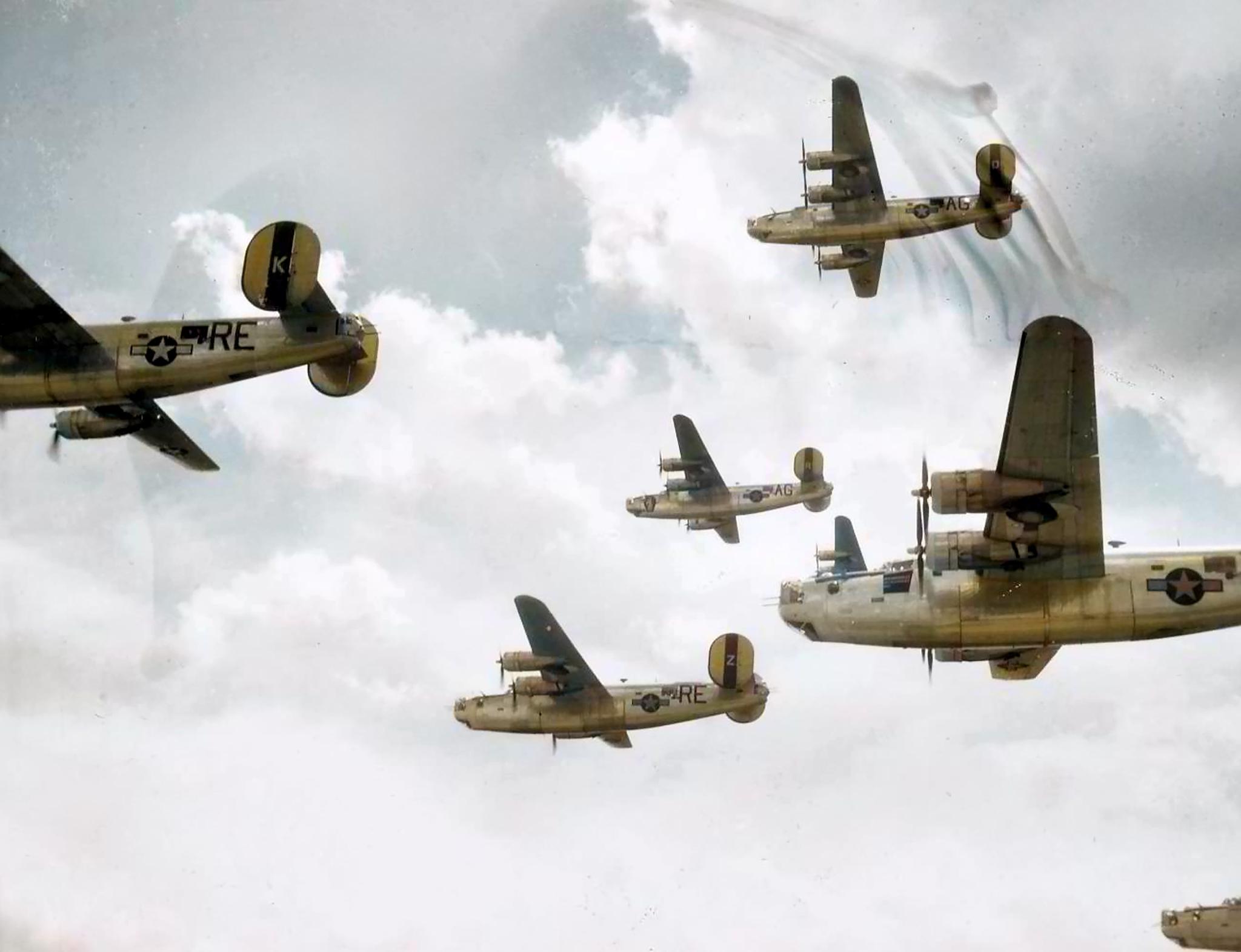
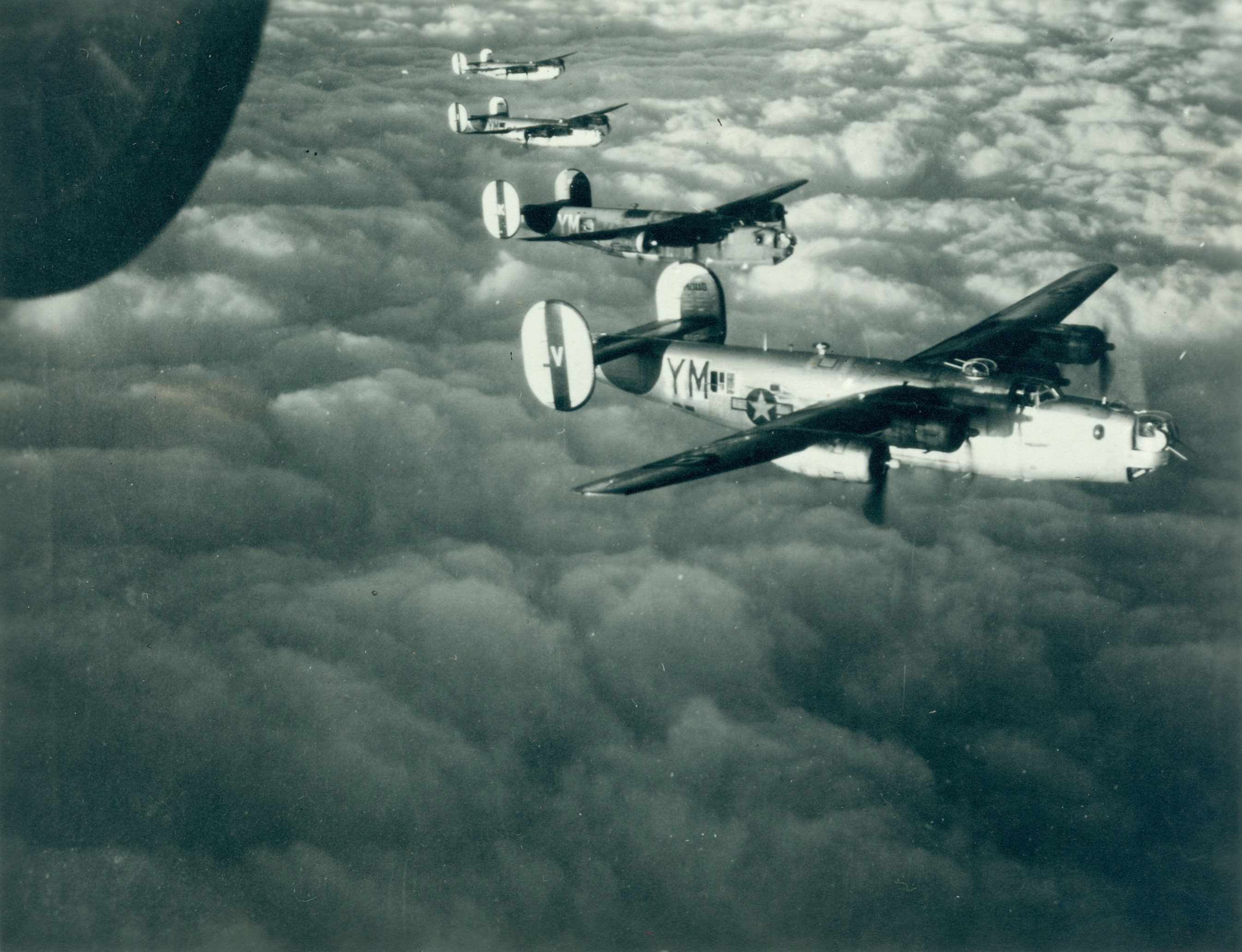
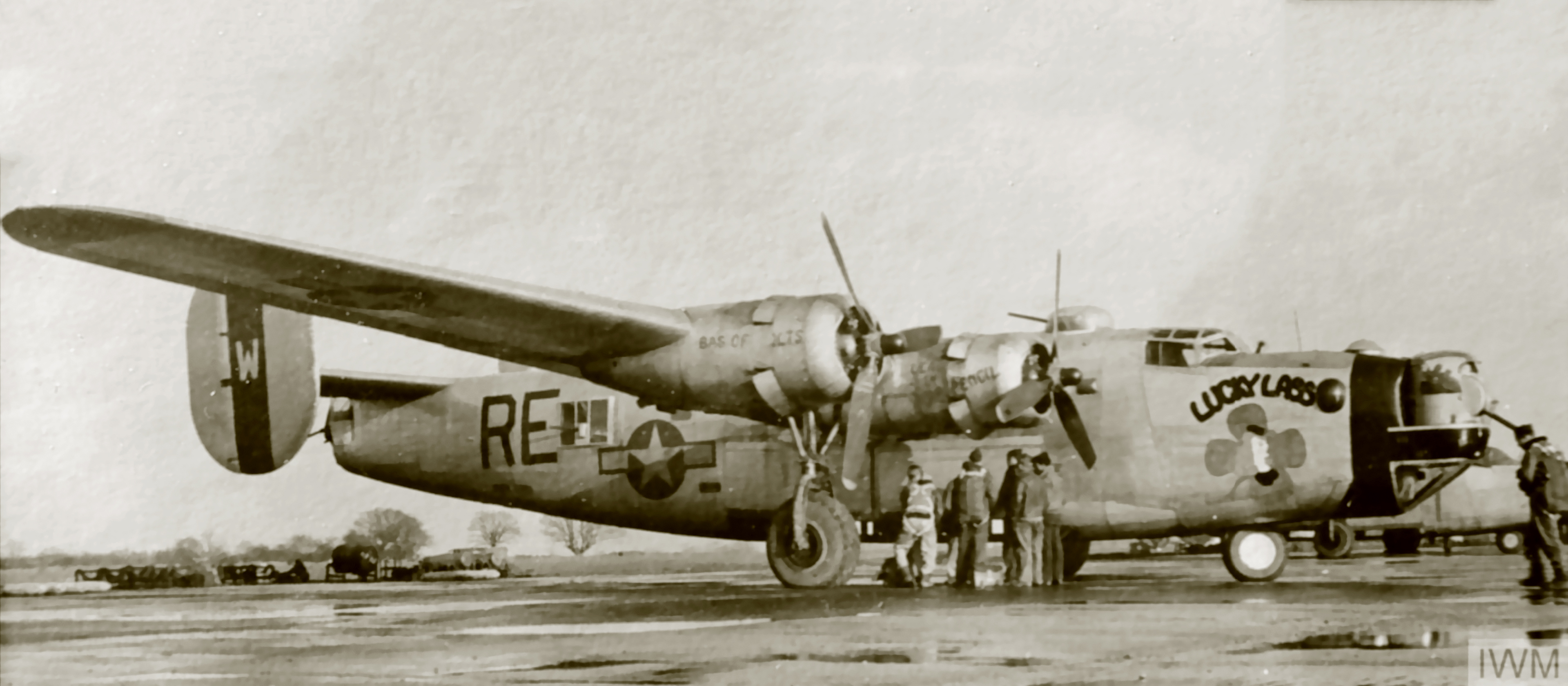
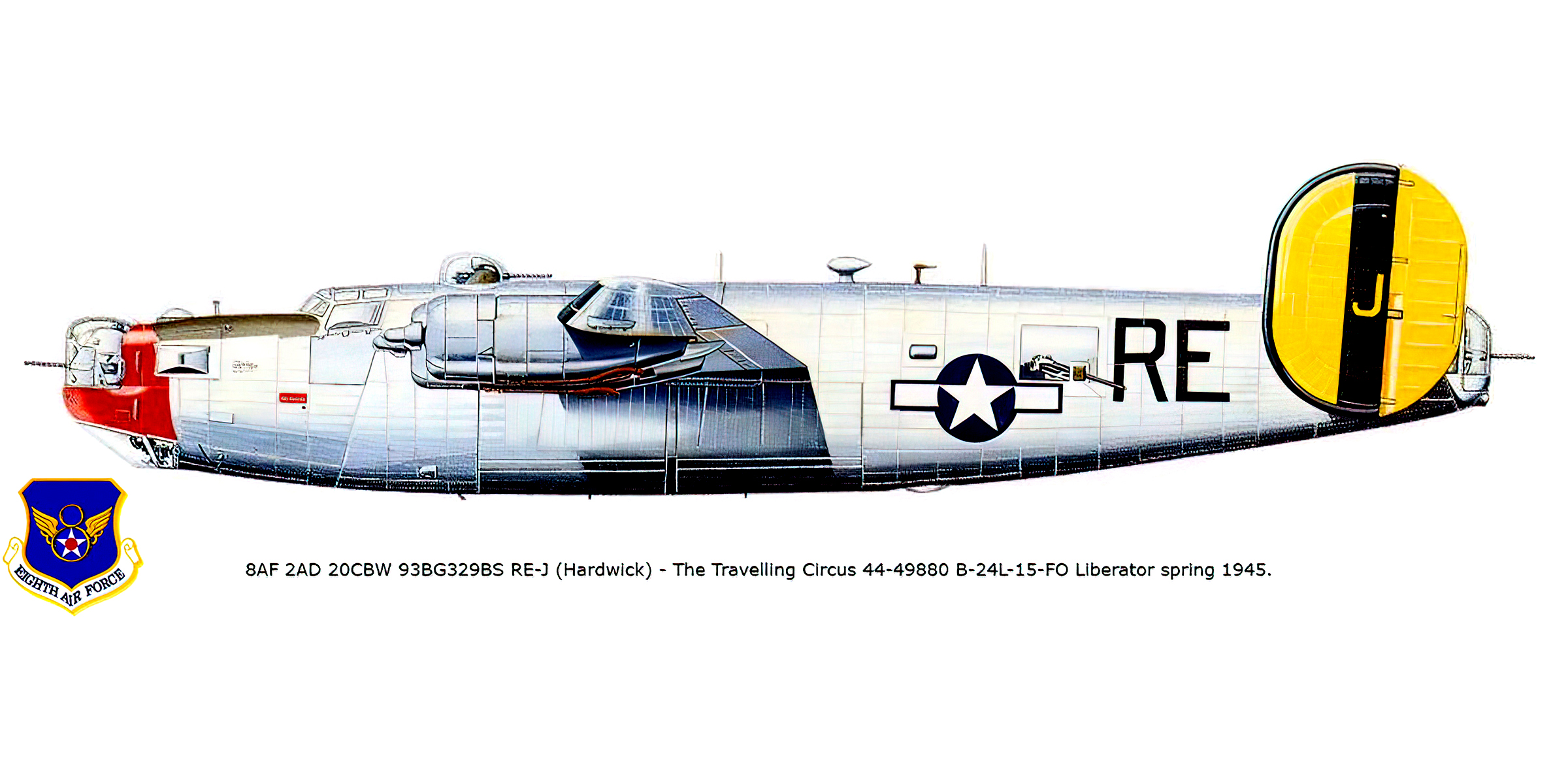
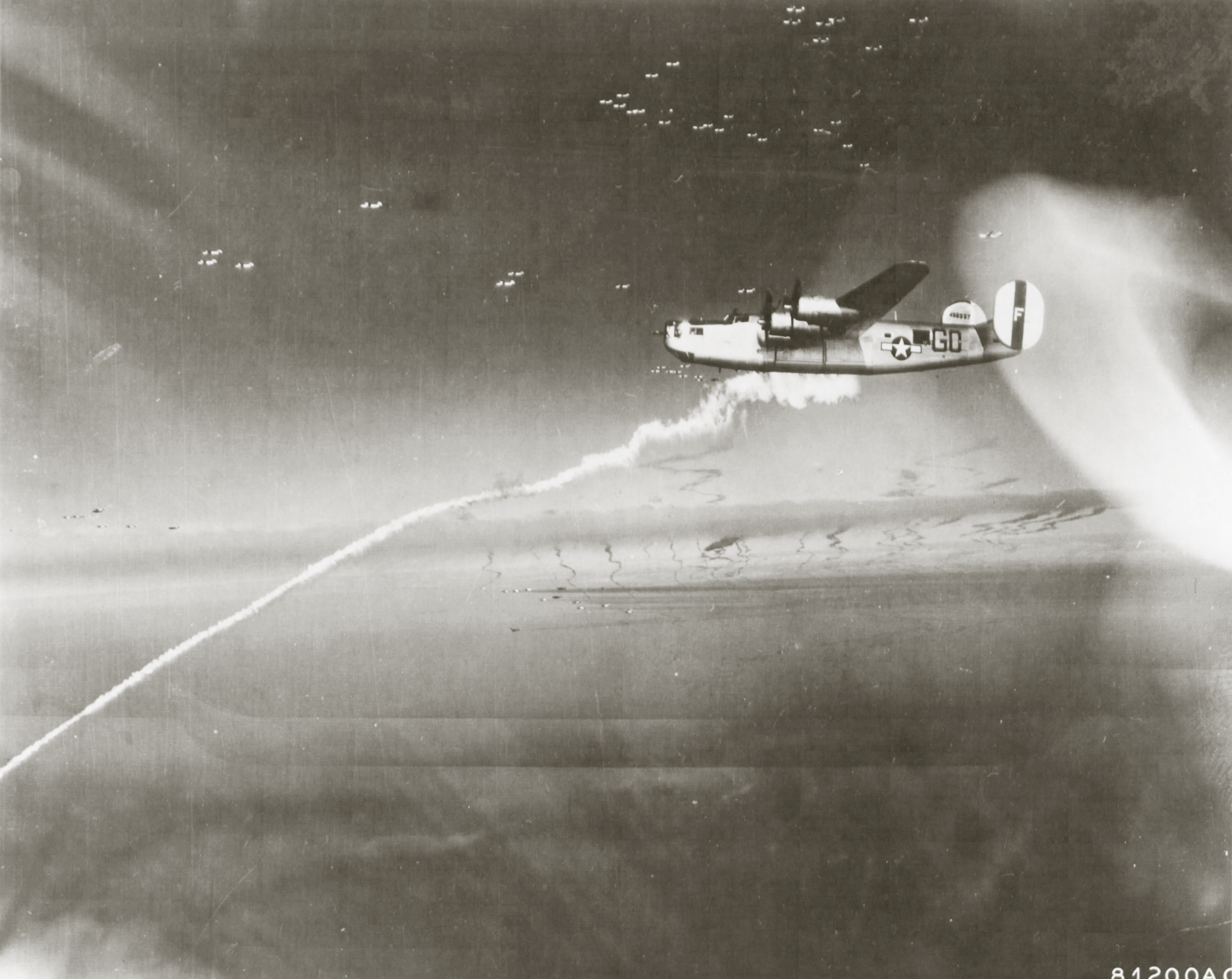
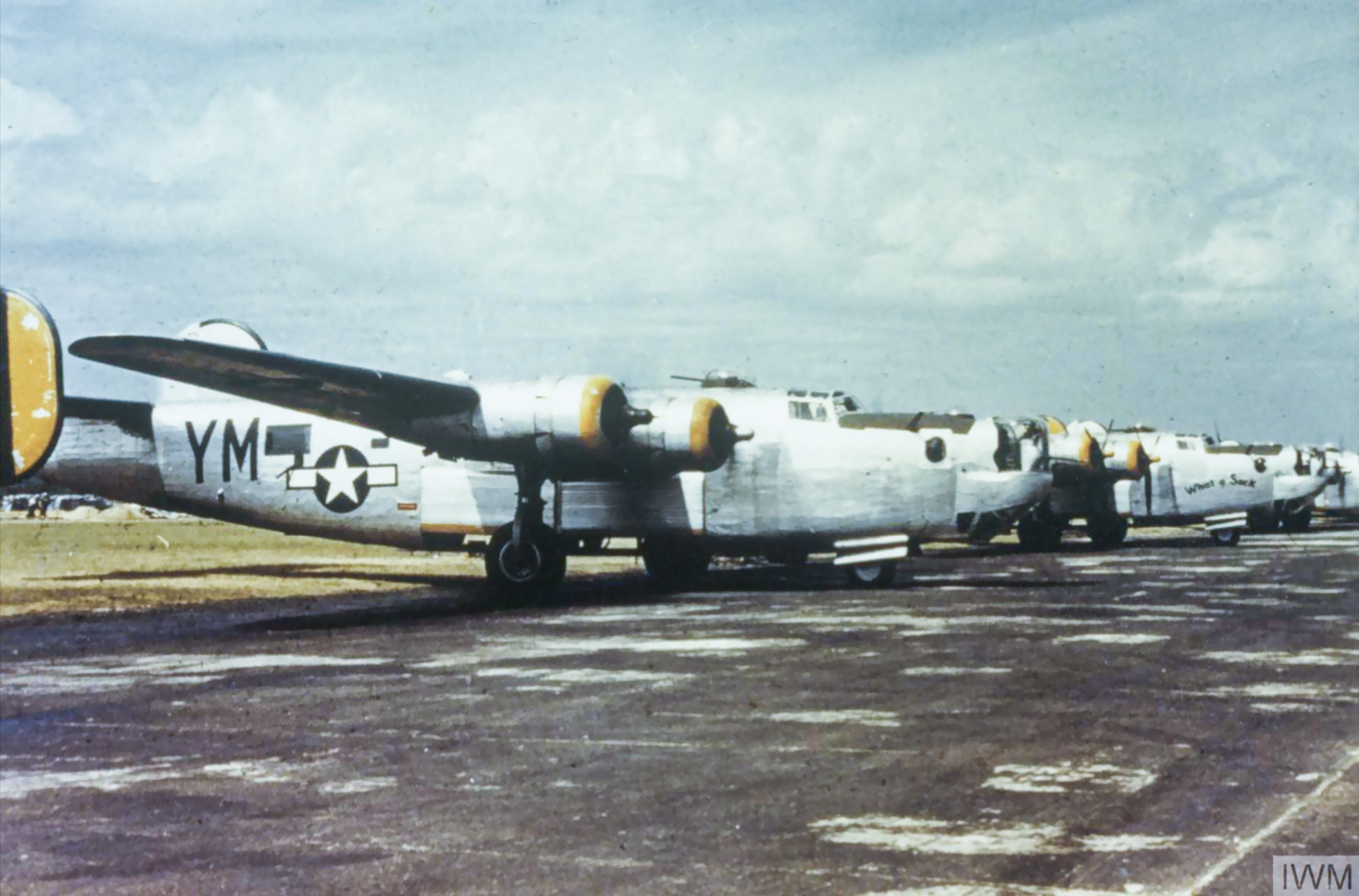
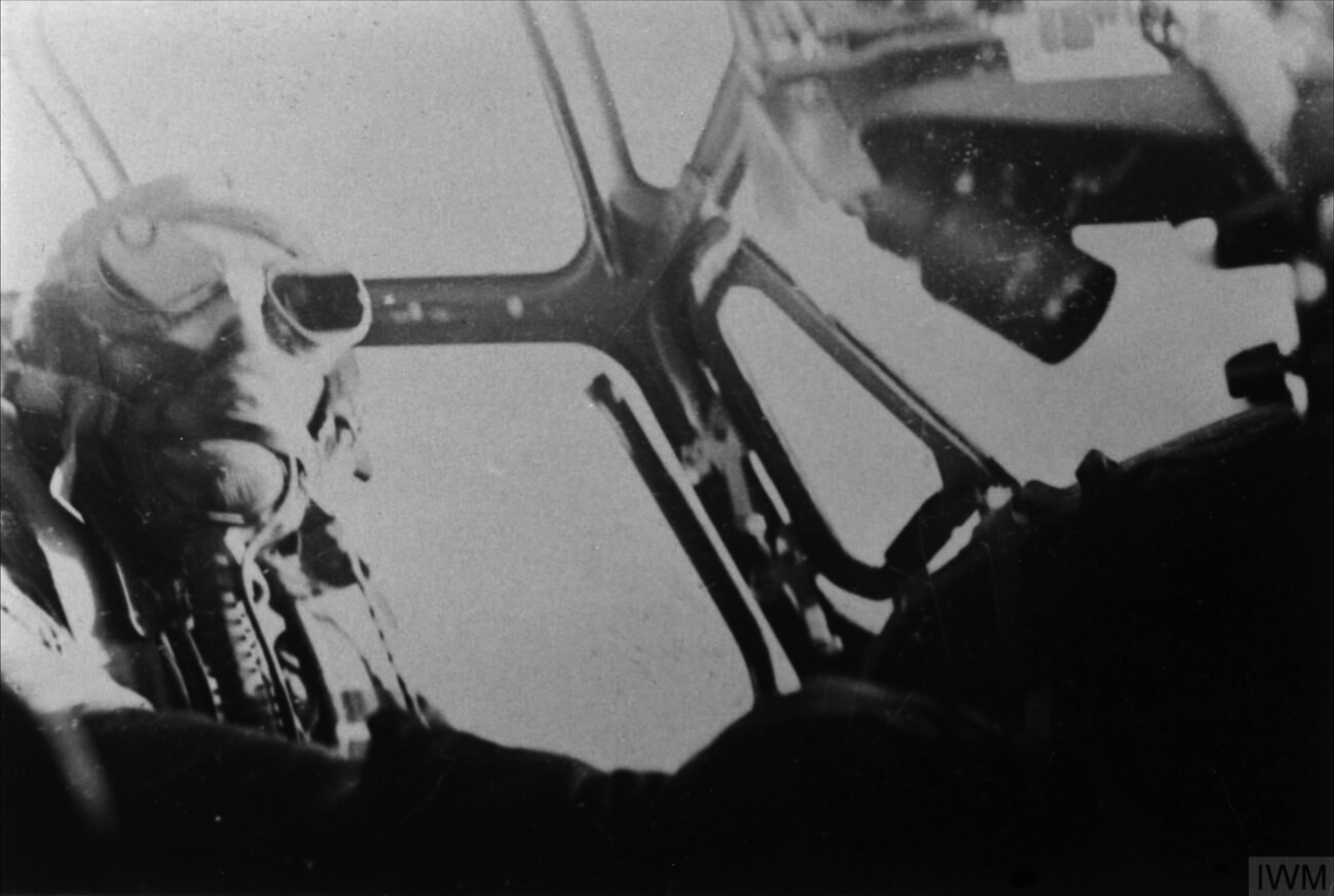
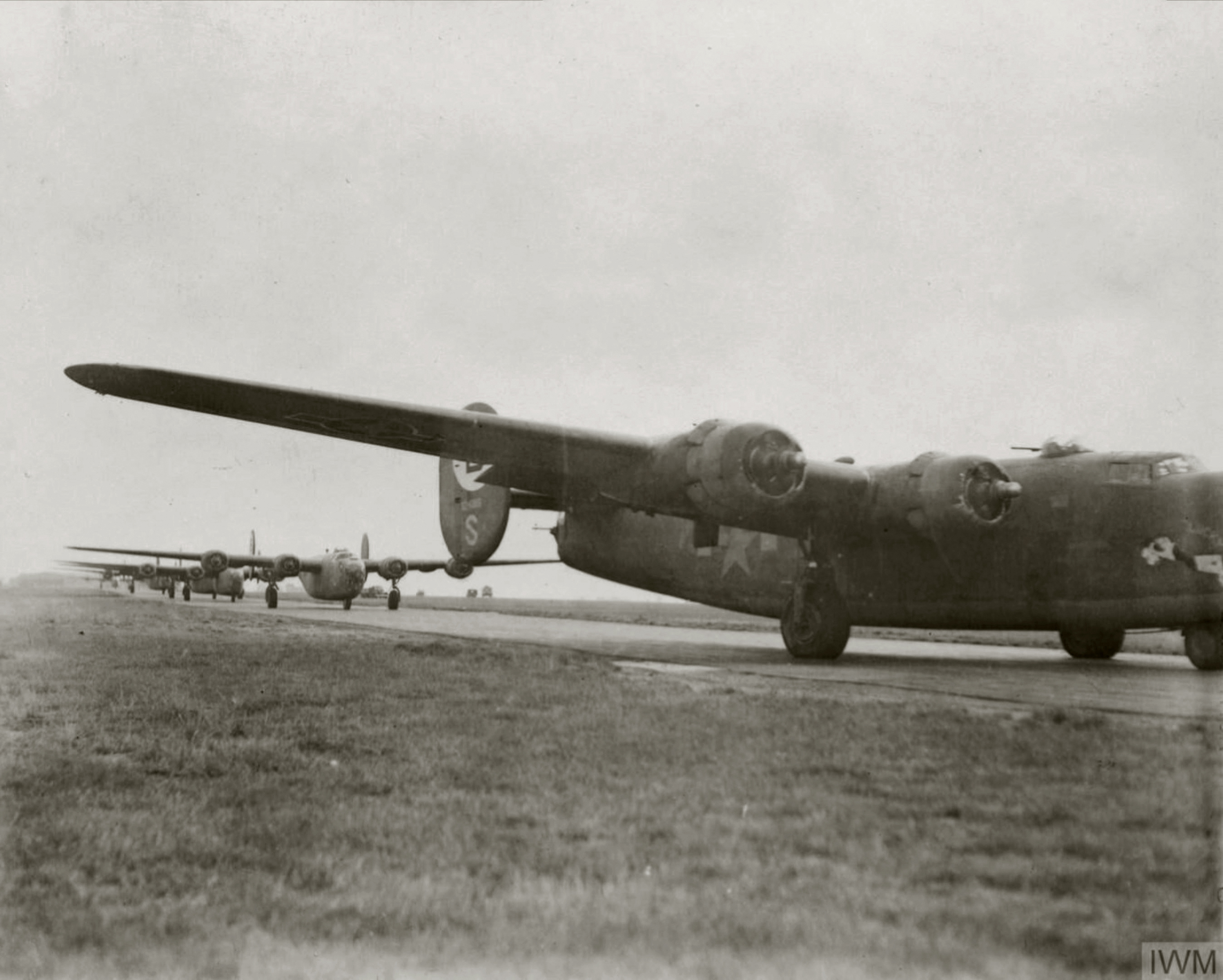
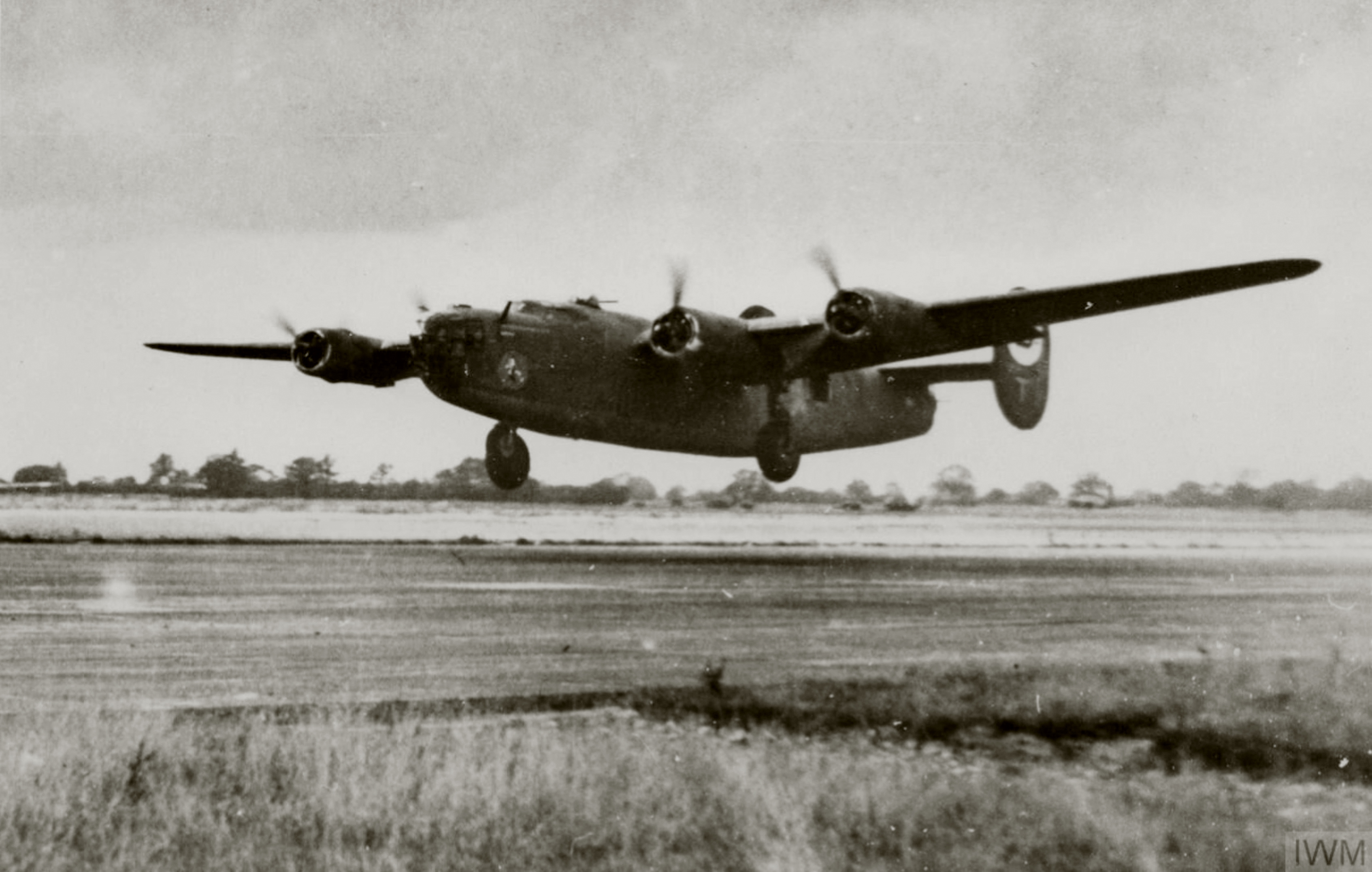
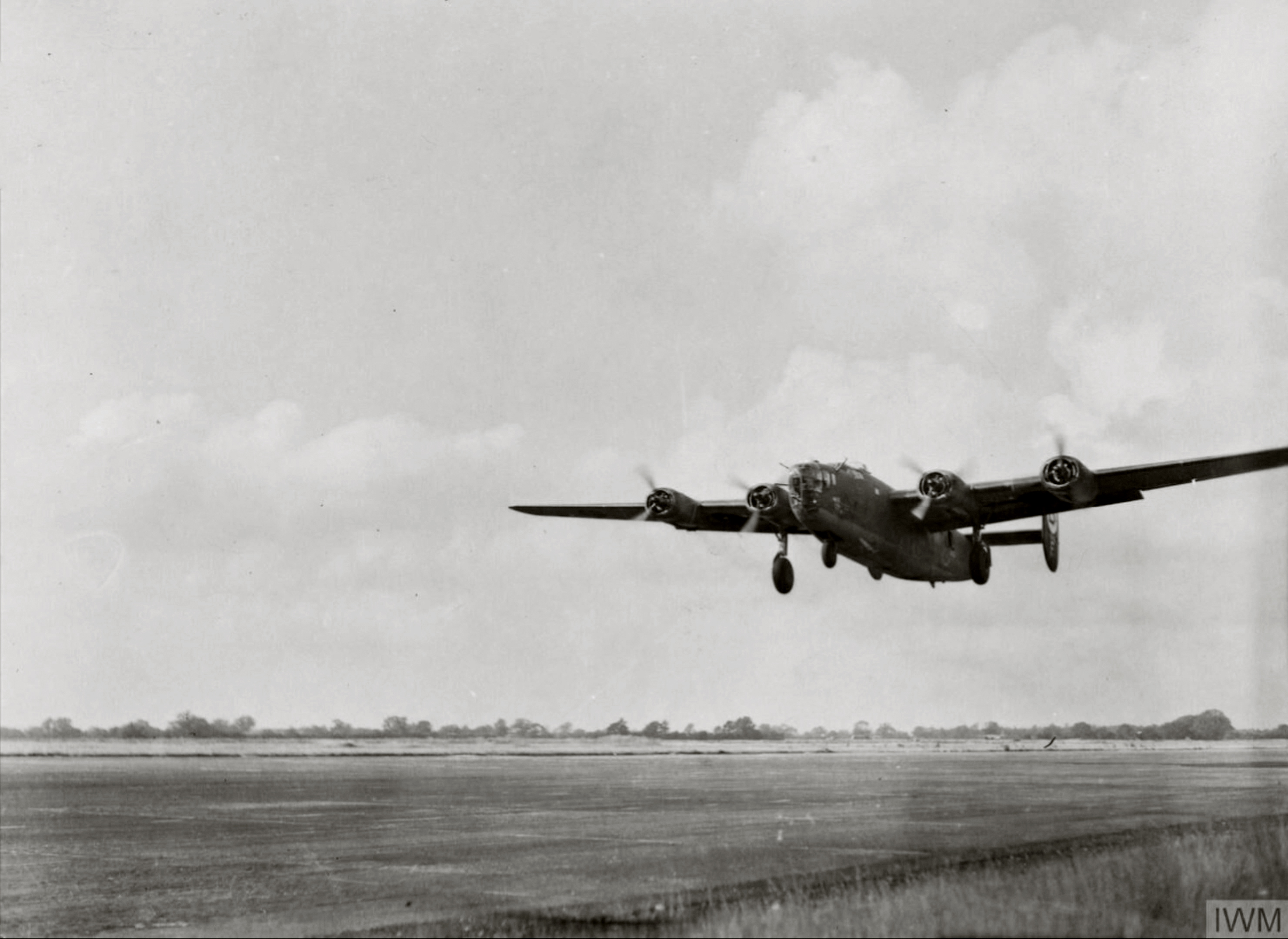
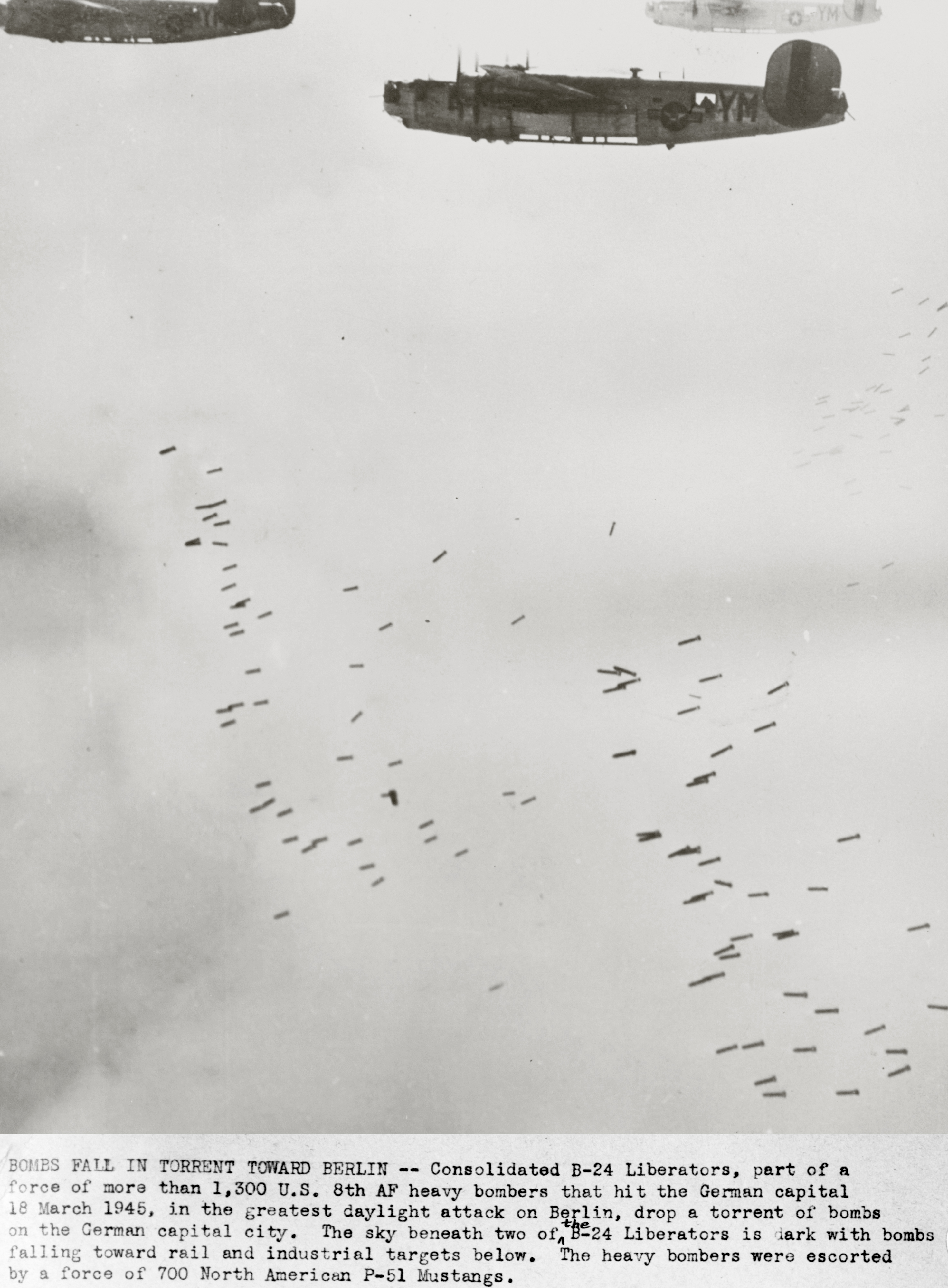
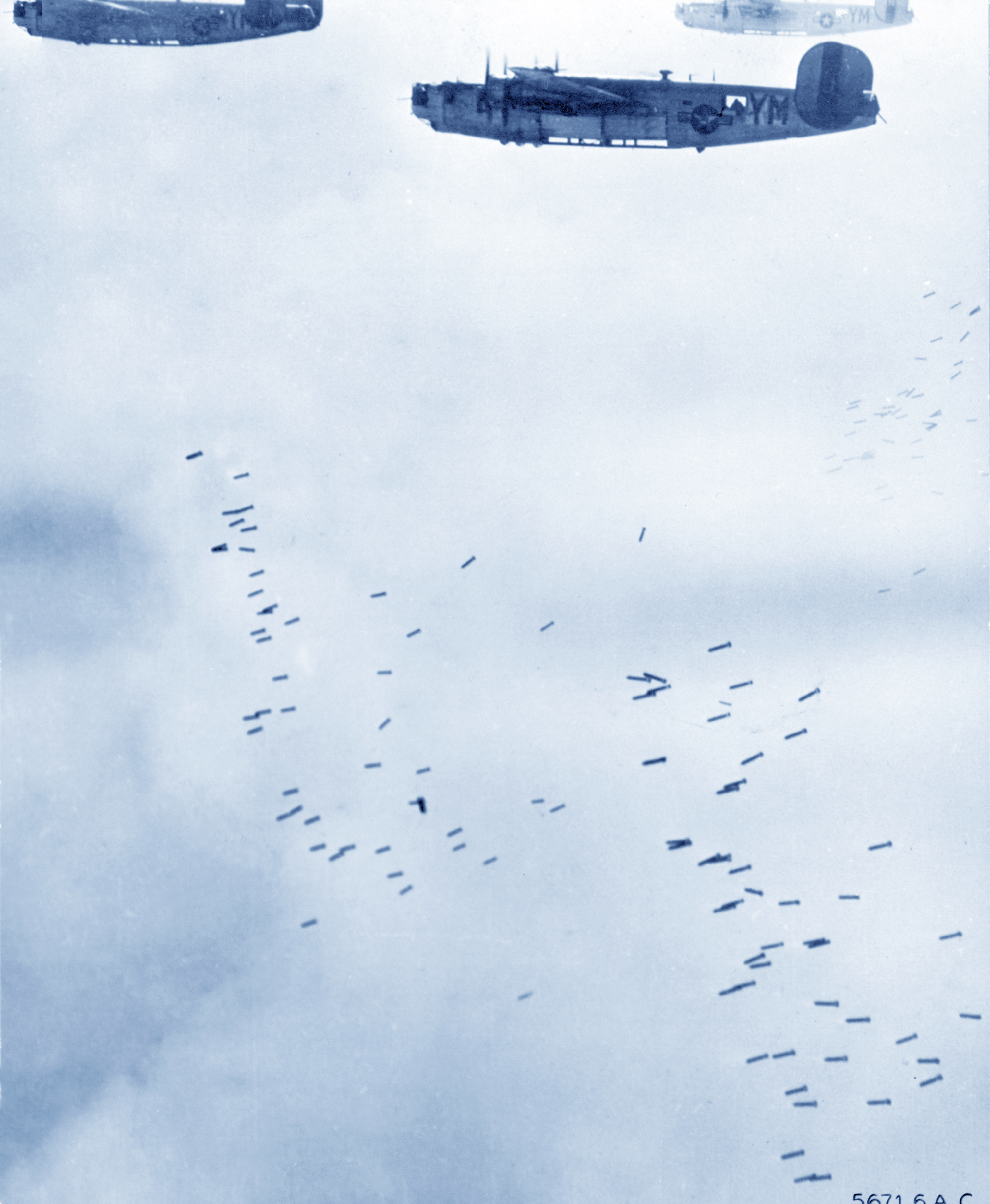
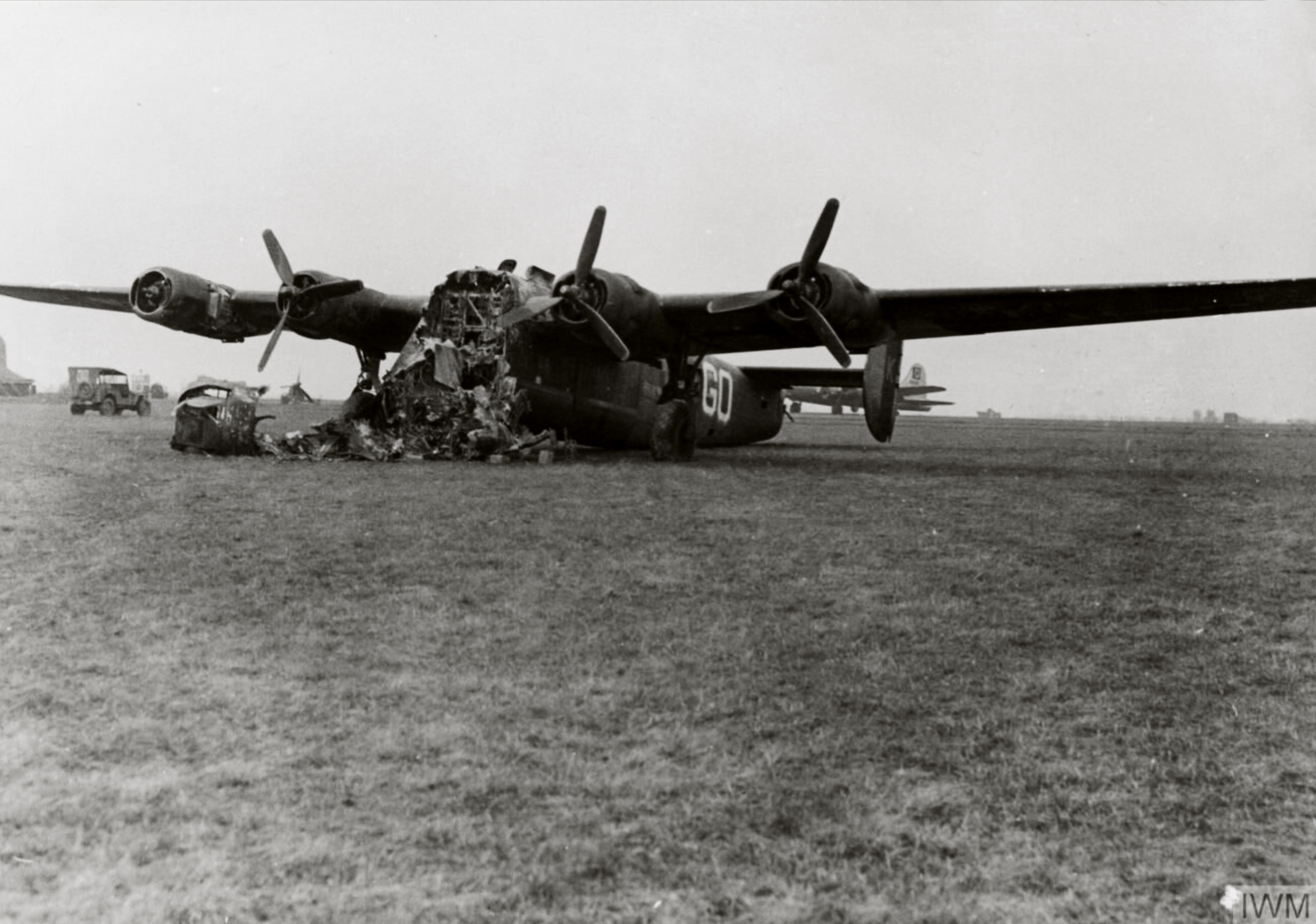
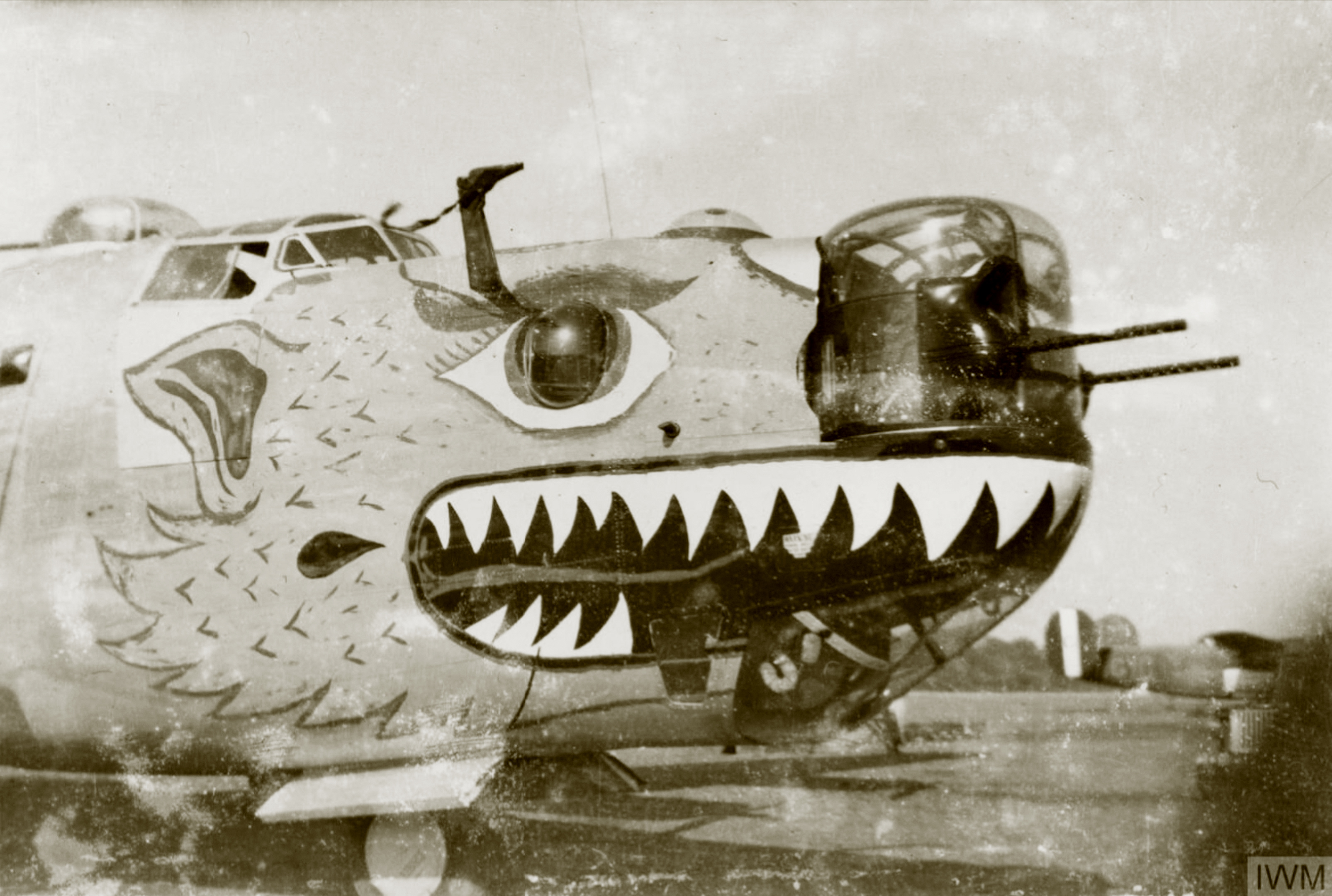
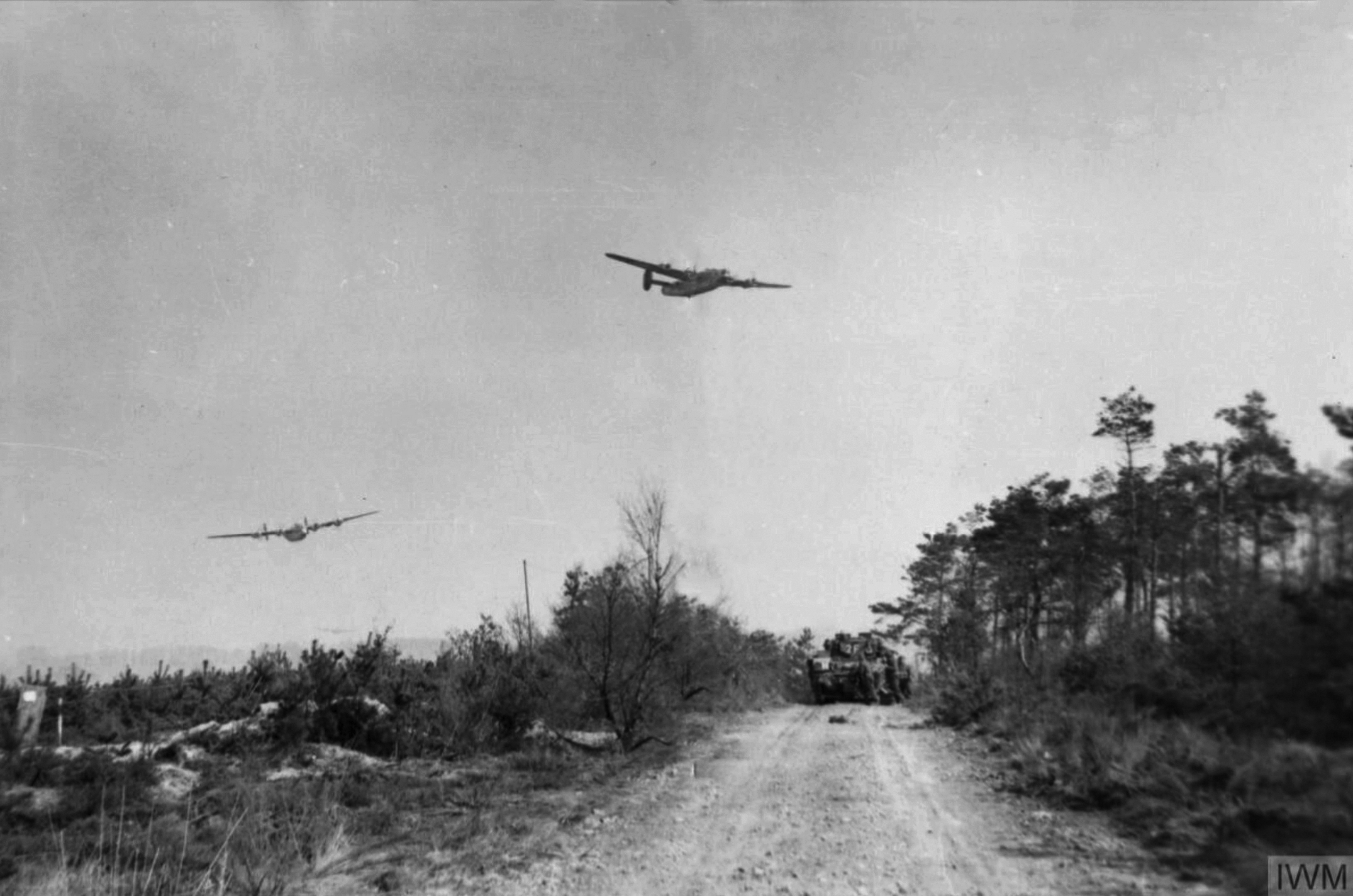
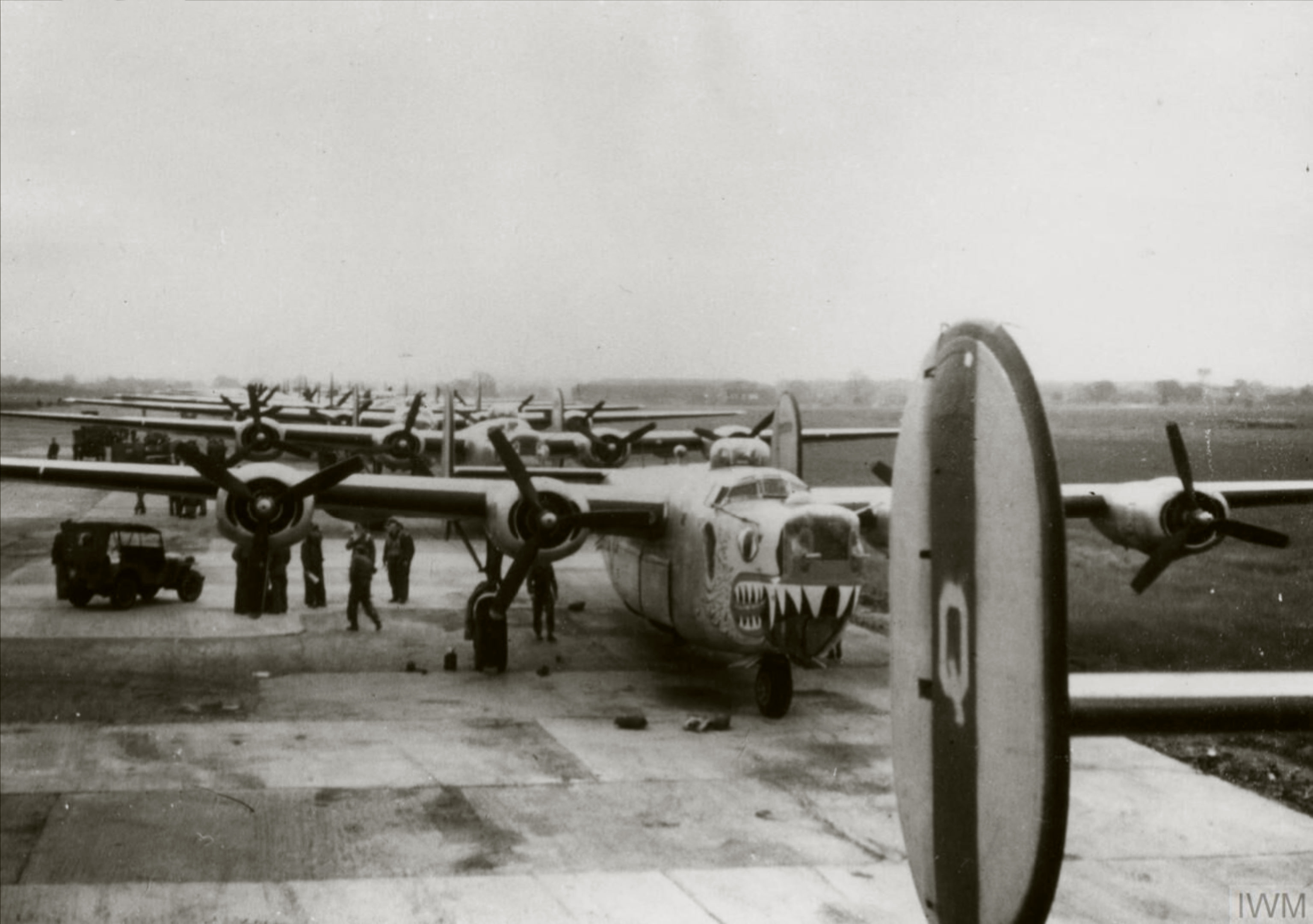
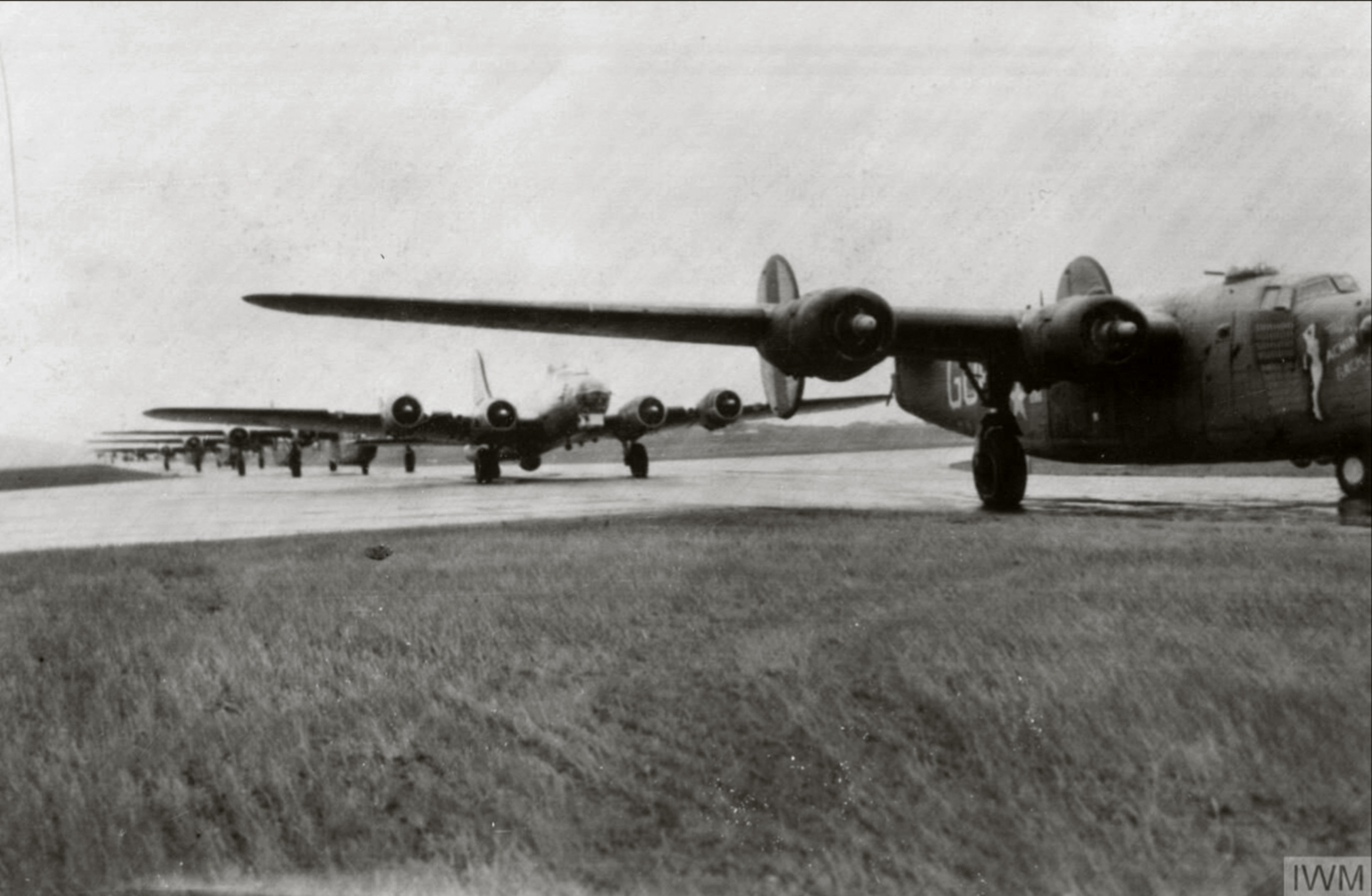
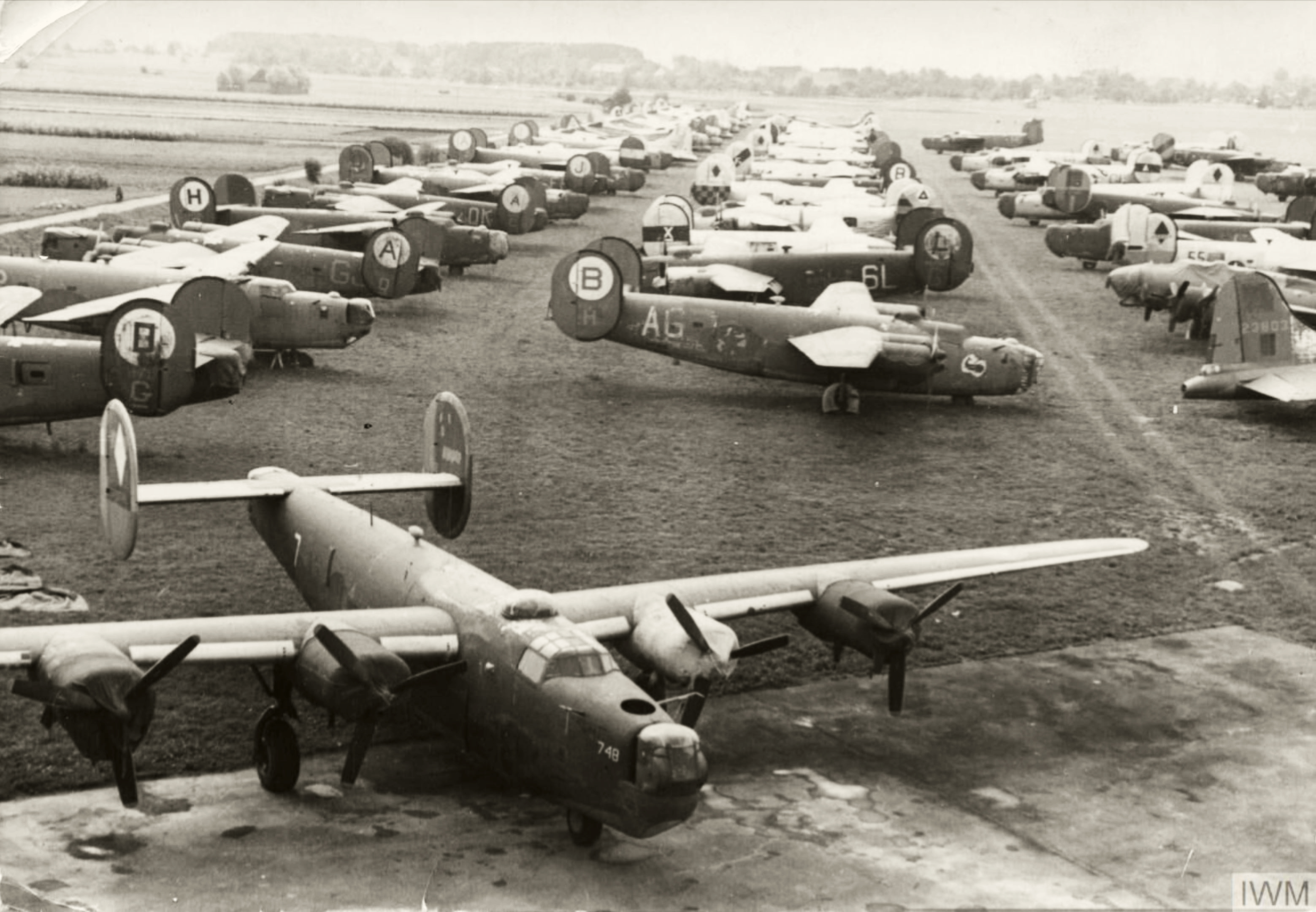
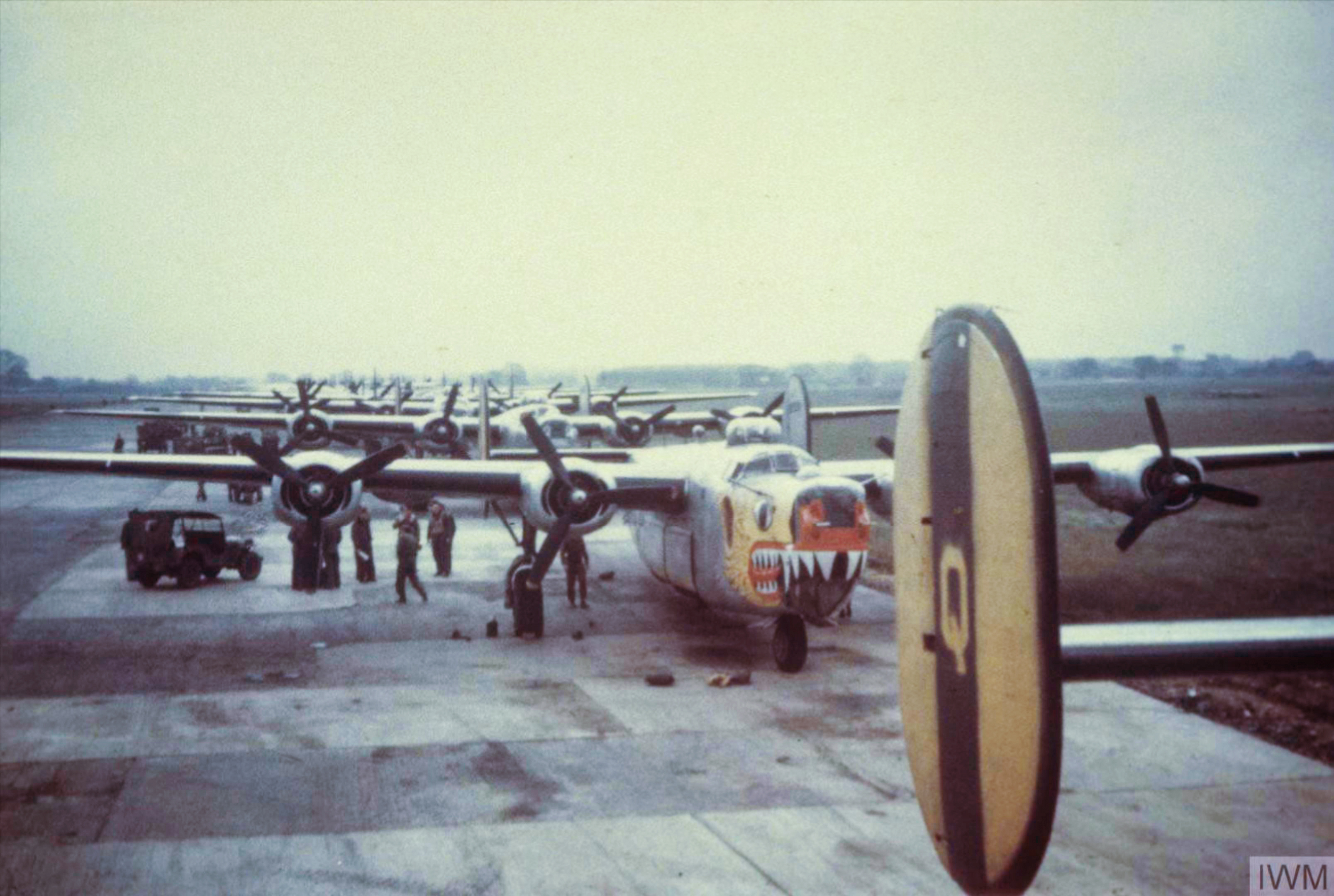
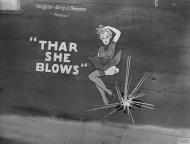
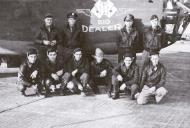
41-23658 B-24D Liberator 8AF 93BG329BS RER or U Thar She Blows nose art left side FRE3785 41-23665 B-24D Liberator 8AF 93BG330BS Big Dealer nose art right side 01 41-23665 B-24D Liberator 8AF 93BG330BS Big Dealer nose art right side with crew NA613 41-23667 B-24D Liberator 8AF 93BG328BS GOH Ball of Fire aka Barber Bob used as a flight assembly ship FRE3766 41-23667 B-24D Liberator 8AF 93BG328BS GOH Ball of Fire became an assembly ship FRE5807 41-23672 B-24D Liberator 8AF 93BG328BS A Double Trouble nose art right side 01 41-23675 B-24D Liberator 8AF 93BG330BS G Celhalopdos nose art left side 01 41-23686 B-24D Liberator 8AF 93BG329BS T Miss Stardust aka Thunder Bird nose art left side FRE3782 41-23711 B-24D Liberator 8AF 93BG328BS GOB Jerk's Natural England K978 41-23717 B-24D Liberator 8AF 93BG329BS REH Exterminator with crew suiting up Engalnd 1943 01 41-23717 B-24D Liberator 8AF 93BG329BS REH Exterminator with crew suiting up Engalnd 1943 02 41-23722 B-24D Liberator 8AF 93BG328BS GOC Bomerang first 8AF Liberator to complete 50 missions 01 41-23722 B-24D Liberator 8AF 93BG328BS GOC Bomerang first 8AF Liberator to complete 50 missions FRE3744 41-23722 B-24D Liberator 8AF 93BG328BS GOC Bomerang first 8AF Liberator to complete 50 missions FRE5803 41-23722 B-24D Liberator 8AF 93BG328BS GOC Bomerang nose art left side FRE3796 41-23722 B-24D Liberator 8AF 93BG328BS GOC Bomerang returned USA 41-23724 B-24D Liberator 8AF 93BG409BS YMx Flying Cock with pilot LL Brown 01 41-23728 B-24D Liberator 8AF 93BG330BS E Hot Stuff nose art left side FRE3784 41-23729 B-24D Liberator 8AF 93BG328BS GOD Shoot Luke Hardwick Norfolk England April 12 1943 41-23729 B-24D Liberator 8AF 93BG328BS GOD Shoot Luke with crew and nose art left side FRE3743 41-23737 B-24D Liberator 8AF 93BG328BS GOH Eager Beaver nose art left side England 01 41-23742 B-24D Liberator 8AF 93BG409BS R Liberty Lad a censor has obscured the nose art FRE3746 41-23744 B-24D Liberator 8AF 93BG328BS GOS Geronimo crash landed at Tafarnoui nr Oran Algeria 14 Dec 1943 FRE3795 41-23748 B-24D Liberator 8AF 93BG409BS YMQ As You Like It assembly ship in flight FRE3777 41-23754 B-24D Liberator 8AF 93BG409BS YML Teggie Ann Bengasi Cirenaica Libya 1943 FRE3751 41-23809 B-24D Liberator 8AF 93BG329BS REN Hellsadroppin II landing 15th Dec 1943 01 41-24147 B-24D Liberator 8AF 93BG330BS A The Duchess aka Evelyn nose art right side FRE6431 41-24147 B-24D Liberator 8AF 93BG330BS A The Duchess later would be lost over Germany 25th Feb 1944 01 41-24215 B-24D Liberator 8AF 93BG409BS YMZ Lucky Gordon used as a assembly ship originally with the 445BG NA105 41-24226 B-24D Liberator 8AF 93BG328BS GOL Hardwick 1943 0A 41-24226 B-24D Liberator 8AF 93BG328BS GOL Joisey Bounce in formation FRE5798 41-24226 B-24D Liberator 8AF 93BG328BS GOL Joisey Bounce in formation FRE5800 41-24226 B-24D Liberator 8AF 93BG330BS L Joisey Bounce in formation 1943 FRE5773 41-24226 B-24D Liberator 8AF 93BG330BS L Joisey Bounce lost Bremen 13th Nov 1943 01 41-24226 B-24D Liberator 8AF 93BG330BS L Utah Man flew the Tidal Wave mission to Ploesti 1st Aug 1943 0A 41-28668 B-24H Liberator 8AF 93BG329BS REL Calais Clipper crash landing on Iceland on 20th March 1944 01 41-29178 B-24H Liberator 8AF 93BG329BS REQ Feather Merchant nose art right side 01 42-100294 B-24J Liberator 8AF 93BG328BS GOB Victory Belle over occupied Europe Nov 1943 A62570 42-100294 B-24J Liberator 8AF 93BG328BS GOB Victory Belle over occupied Europe Nov 1943 NA1743 42-100320 B-24J Liberator 8AF 93BG328BS GOA behind GOB over occupied Europe Nov 1943 NA1743 42-109810 B-24J Liberator 8AF 93BG330BS AGB Sterile Errol damaged by 5 Bf 109s landed England Jun 1944 01 42-109810 B-24J Liberator 8AF 93BG330BS AGV Sterile Errol landing incident 01 42-109816 B-24J Liberator 8AF 93BG409BS YMN War Goddess interned in Sweden 21st Jun 1944 MACR6544 FRE5794 42-109816 B-24J Liberator 8AF 93BG409BS YMN War Goddess nose art left side interned Sweden 21st Jun 1944 FRE3764 42-109837 B-24J Liberator 8AF 93BG409BS YMX Ambrose III returned to USA May 1945 FRE5807 42-109837 B-24J Liberator 8AF 93BG809BS YMX lined up at Sandia New Mexico 1946 FRE5799 42-40246 B-24D Liberator 8AF 93BG328BS F Thundermug salvaged Oct 10 1943 42-40604 B-24D Liberator 8AF 93BG328BS I Satan's Angels landing mishap nose art left side FRE3781 42-40609 B-24D Liberator 8AF 93BG328BS GOI Jersey Bounce at Meeks Field 27th May 1943 01 42-40994 B-24D Liberator 8AF 93BG328BS GOD Hell's Wench shot down over Ploesti 1st Aug 1943 10KIA art work 0A 42-50362 B-24H Liberator 8AF 93BG409BS YM Silver Eagle FRE5796 42-50362 B-24H Liberator 8AF 93BG409BS YM Silver Eagle FRE5811 42-50437 B-24H Liberator 8AF 93BG328BS GOH Apassionata at Halesworth 1944 FRE6787 42-50501 B-24J Liberator 8AF 93BG330BS AGM Solid Comfort Kingman USA 1947 42-50724 B-24J Liberator 8AF 446BG706BS RTG and RTE with 93BG409BS YMP led by a pathfinder Liberator FLV during a mission 01 42-50781 B-24J Liberator 8AF 93BG409BS YMM parked FRE3752 42-51305 B-24J Liberator 8AF 93BG409BS YMW and YMI mission to Misturg Germany 1st March 1945 42-51465 B-24J Liberator 8AF 93BG329BS REZ H2X radar lead ship over Blyfield Germany 25th Dec 1944 01 42-51465 B-24J Liberator 8AF 93BG329BS REZ H2X radar lead ship over Blyfield Germany 25th Dec 1944 02 42-51465 B-24J Liberator 8AF 93BG329BS REZ H2X radar lead ship over Blyfield Germany 25th Dec 1944 03 42-51465 B-24J Liberator 8AF 93BG329BS REZ H2X radar lead ship over Blyfield Germany 25th Dec 1944 04 42-51465 B-24J Liberator 8AF 93BG329BS REZ H2X radar lead ship over Blyfield Germany 25th Dec 1944 05 42-51465 B-24J Liberator 8AF 93BG329BS REZ H2X radar lead ship over Blyfield Germany 25th Dec 1944 FRE5841 42-51523 B-24J Liberator 8AF 93BG329BS REV in flight on it's way back to England from Sweden 1945 FRE3775 42-51968 B-24J Liberator 8AF 93BG329BS REP Unexpected VI FRE5815 42-51968 B-24J Liberator 8AF 93BG329BS REP Unexpected VI taxiing FRE3760 42-72869 B-24D Liberator 8AF 93BG328BS D as a flight assembly ship FRE3771 42-72869 B-24D Liberator 8AF 93BG328BS GOQ Bear Down in formation NA478 42-7585 B-24H Liberator 8AF 93BG409BS YMA Hell Cat on approach to land FRE8109 42-95043 B-24H Liberator 8AF 93BG328BS GOO Linda in flight FRE3776 42-95046 B-24H Liberator 8AF 93BG330BS AGD in formation May 1944 FRE5795 42-95109 B-24 Liberator 8AF 93BG329BS REY Shamrock in flight 1945 FRE5833 42-95204 B-24H Liberator 8AF 93BG409BS YMI Down and Go and YMW mission to Misturg Germany 1st March 1945 42-95204 B-24H Liberator 8AF 93BG409BS YMI Down and Go mission to Misturg Germany 1st Mar 1945 01 42-95258 B-24H Liberator 8AF 93BG409BS YMH right side FRE3762 42-95258 B-24J Liberator 8AF 93BG409BS YMH What a Sack nose art right side FRE3763 42-95527 B-24J Liberator 8AF 93BG328BS GOC 4 F H2X radar lead ship over Blyfield Germany 25th Dec 1944 01 42-95527 B-24J Liberator 8AF 93BG328BS GOC 4 F H2X radar lead ship over Blyfield Germany 25th Dec 1944 02 42-95527 B-24J Liberator 8AF 93BG328BS GOC 4 F Lead ship equipped with H2X radar FRE5774 42-95527 B-24J Liberator 8AF 93BG328BS GOC 4 F Lead ship equipped with H2X radar FRE5797 42-99939 B-24J Liberator 8AF 93BG330BS AGE crashed on take off at Hardwick 3rd Mar 1944 crew okay FRE3779 42-99949 B-24J Liberator 8AF 93BG328BS GOI Naughty Nan over Friedrichshaven Germany Mar 1944 01 44-10578 B-24J Liberator 8AF 93BG409BS YMR The Flying Moose FRE5816 44-40113 B-24 Liberators 8AF 93BG329BS REK Gamblin Lady 42 95112 REZ Round Trip n 330BS AGD n AGR during a mission 24th Nov 1944 01 44-40116 B-24J Liberator 8AF 93BG409BS YMV Tobasco Keeds with YMX flying in line formation 01 44-40157 B-24J Liberator 8AF 93BG329BS REW Lucky Lass nose art right side FRE3770 44-49880 B-24L Liberator 8AF 93BG329BS REJ at Hardwick spring 1945 0A 44-50537 B-24M Liberator 8AF 93BG328BS GOF mission to Zossen Germany 15th March 1945 01 44-50543 B-24M Liberator 8AF 93BG409BS YMF What A Sack FRE5802 44-51228 B-24M Liberator 8AF 93BG329BS REZ Warbird 01 Aircrew USAAF 93BG328BS Lt J Rosacker durin a high altitude flight FRE3749 Consolidated B-24D Liberator 8AF 93BG L used as a flight assembly ship FRE3761 Consolidated B-24D Liberator 8AF 93BG Travelling Circus name of the American Liberators on shuttle service FRE3753 Consolidated B-24D Liberator 8AF 93BG Travelling Circus name of the American Liberators on shuttle service FRE3755 Consolidated B-24D Liberator 8AF 93BG Travelling Circus name of the American Liberators on shuttle service FRE3756 Consolidated B-24D Liberator 8AF 93BG Travelling Circus name of the American Liberators on shuttle service FRE3757 Consolidated B-24J Liberators 8AF 93BG409BS YMJ bomb enemy installations Berlin Germany 18th Mar 1945 01 Consolidated B-24J Liberators 8AF 93BG409BS YMJ bomb enemy installations Berlin Germany 18th Mar 1945 56716AC Consolidated B-24 Liberator 8AF 93BG328BS GOK crashed landed FRE3778 Consolidated B-24 Liberator 8AF 93BG nose art right side FRE3745 Consolidated B-24 Liberator 8AF 93BG nose art right side FRE3758 Consolidated B-24 Liberators 8AF 93BG328BS GO during a mission 24th Nov 1944 NA1739 Consolidated B-24 Liberators 8AF 93BG drop their bombs over Ingolstadt Germany 1st Mar 1945 01 Consolidated B-24 Liberators 8AF 93BG drop their bombs over Magdeburg Germany 16th Aug 1944 01 Consolidated B-24 Liberators 8AF 93BG fly low over British tank column in the Rhine to drop supplies 24th Mar 1945 FRE14250 Consolidated B-24 Liberators 8AF 93BG lined up prepare for their next mission 20th May 1945 FRE3759 Consolidated B-24 Liberators 8AF 93BG line up for take off to fly the Atlantic from Anglesey N Wales May 1945 FRE3754 Consolidated B-24 Liberators 8AF 93rd Bomb Group interned in Switzerland FRE3768 Consolidated B-24 Liberators 8AF 93rd Bomb Group lined up on hardstanding 20th May 1945 FRE5809

93rd Bombardment Group B-24 Liberator photo's gallery

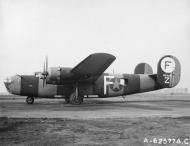
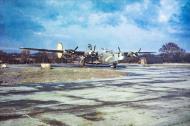
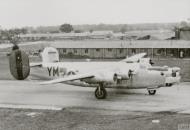
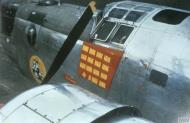
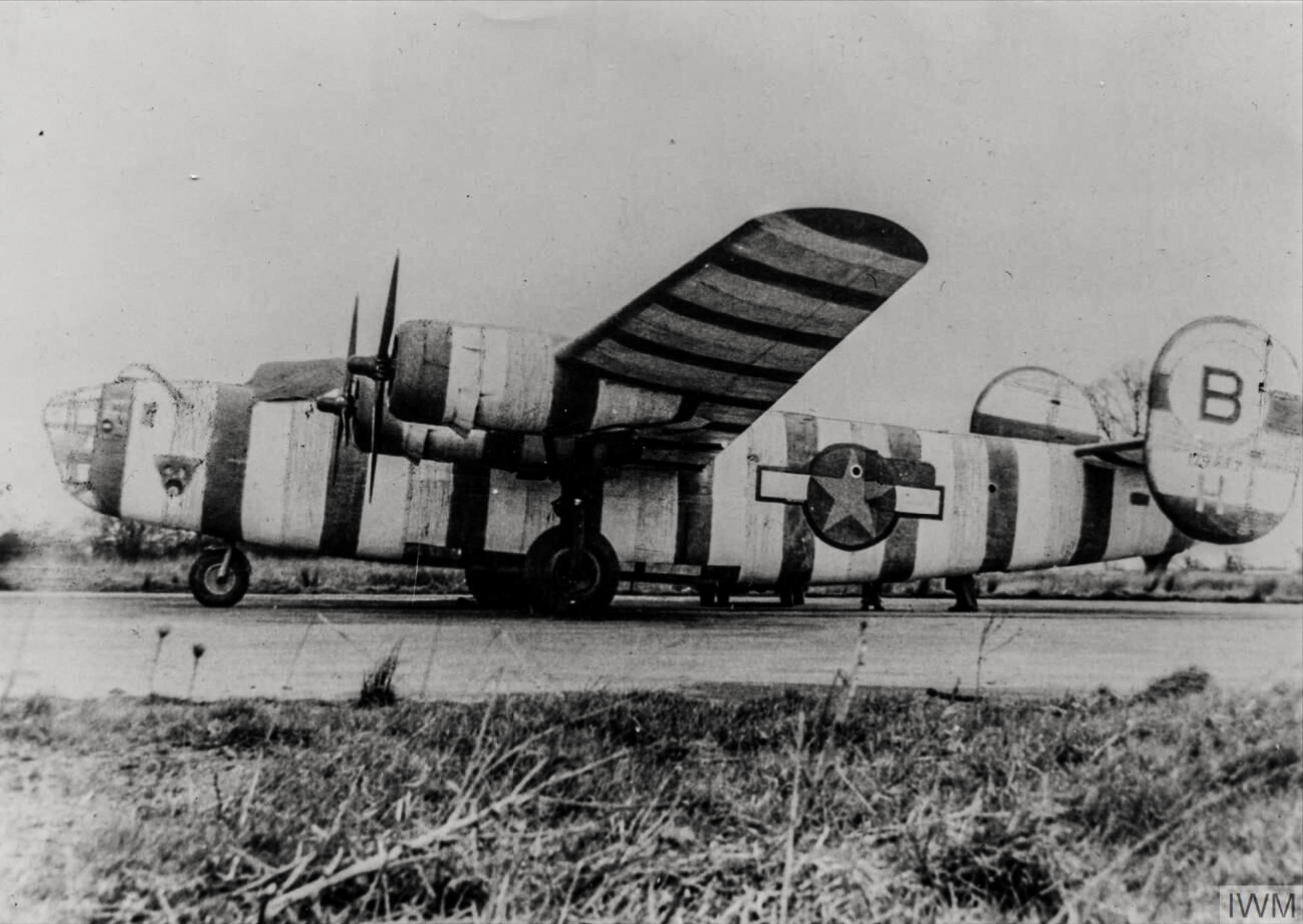
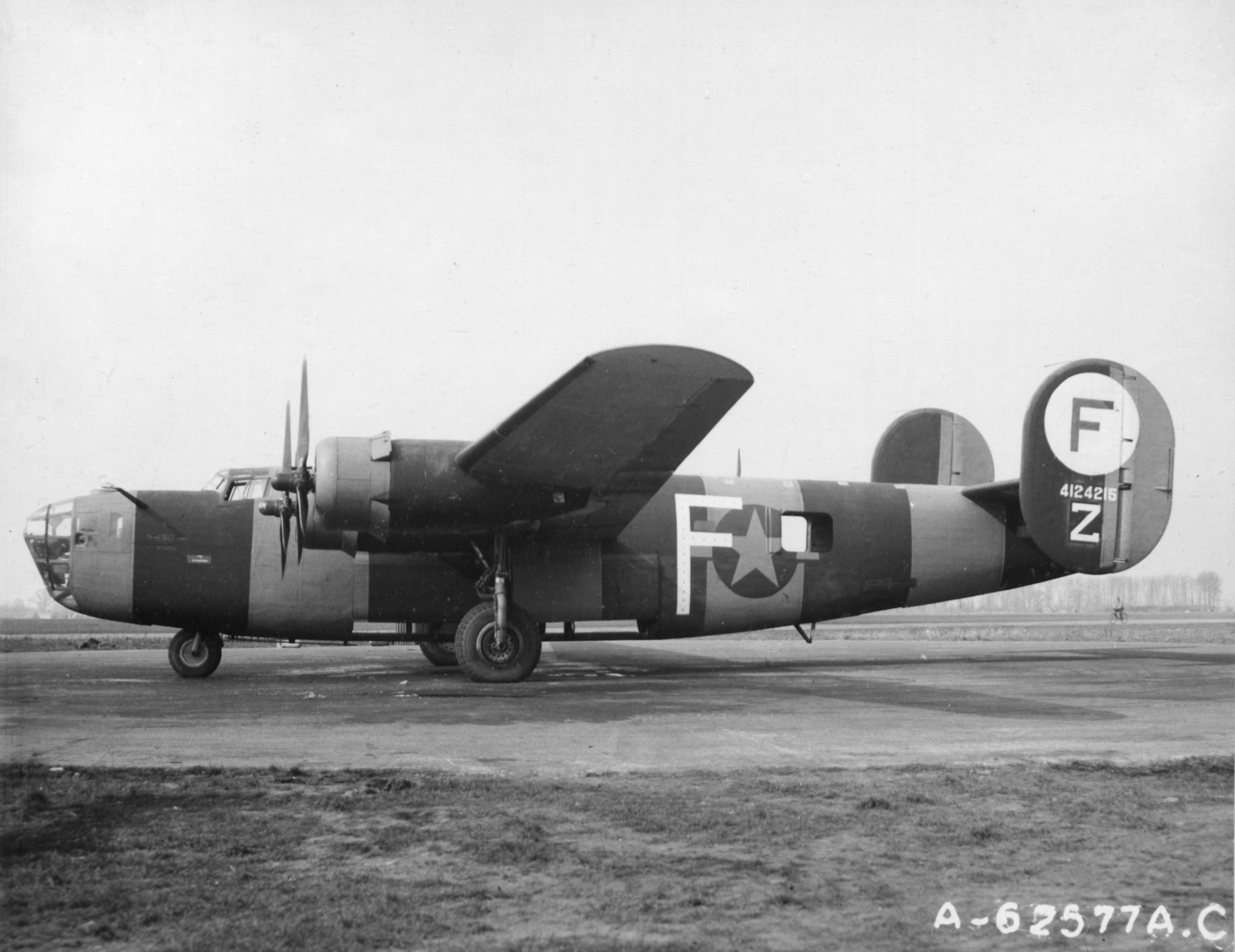
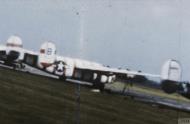
  41-24215 B-24D Liberator 8AF 93BG409BS YMZ Lucky Gordon used as a assembly ship originally with the 445BG NA105

Photo description: A Consoldiated B-24 "Liberator," One Of The Group Monitors [Formation Ship] Of The 2Nd Bomb Division, 8Th Air Force, At An Airbase In England. 1944. 445Th Bg (U.S. Air Force Number A62577AC)

Photo Source: National Archives Identifier NAID: 204843979 Local ID: 342-FH-3A05956-A62577AC

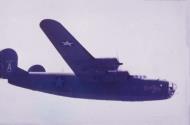
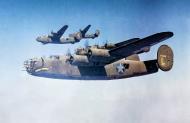
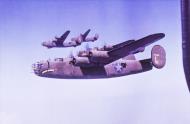
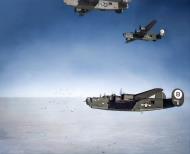
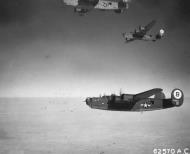
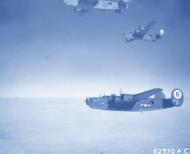
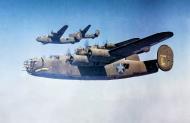
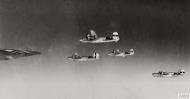
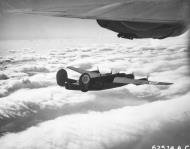
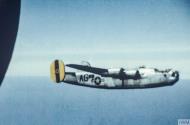
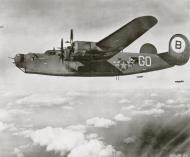
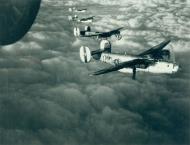
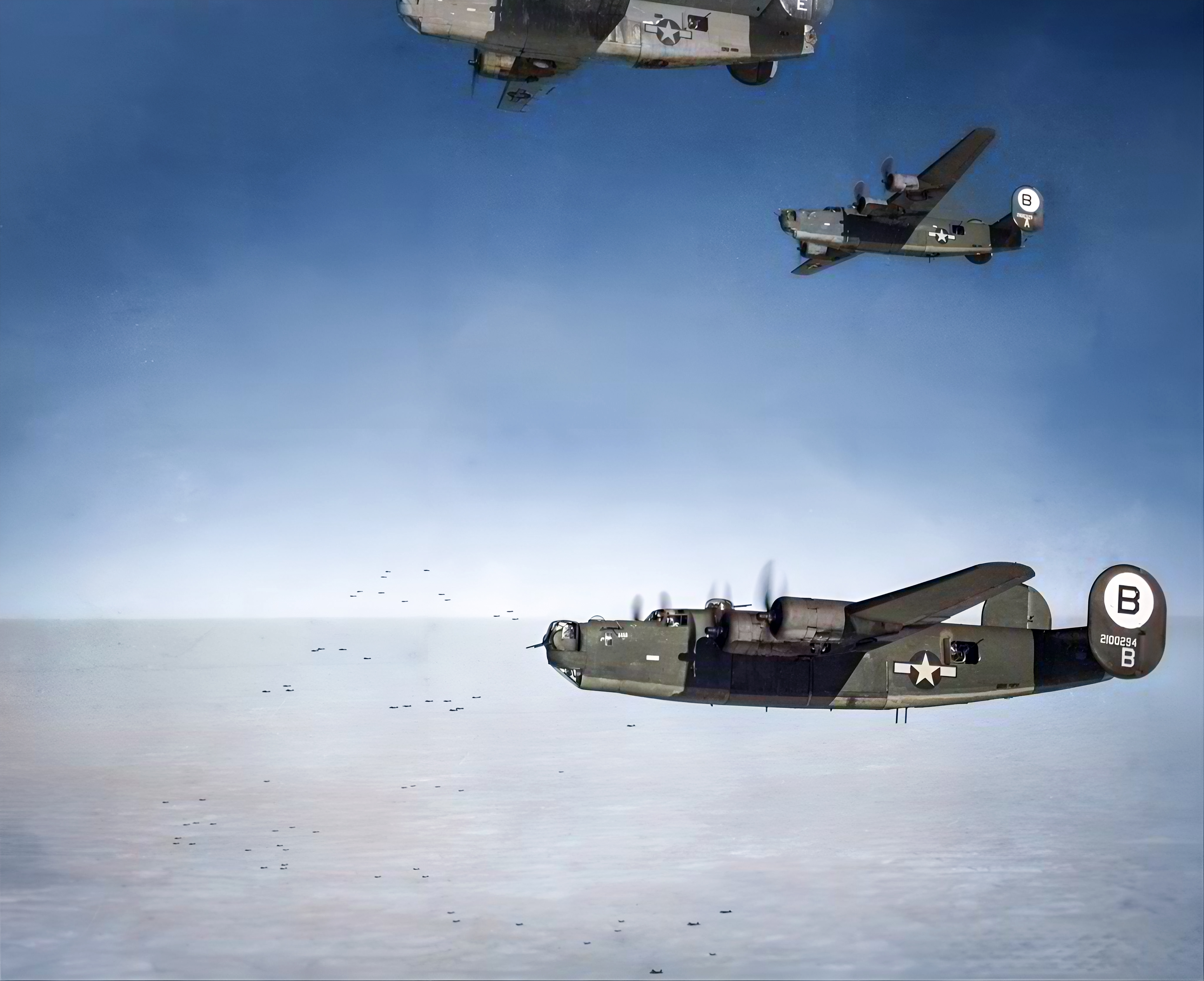
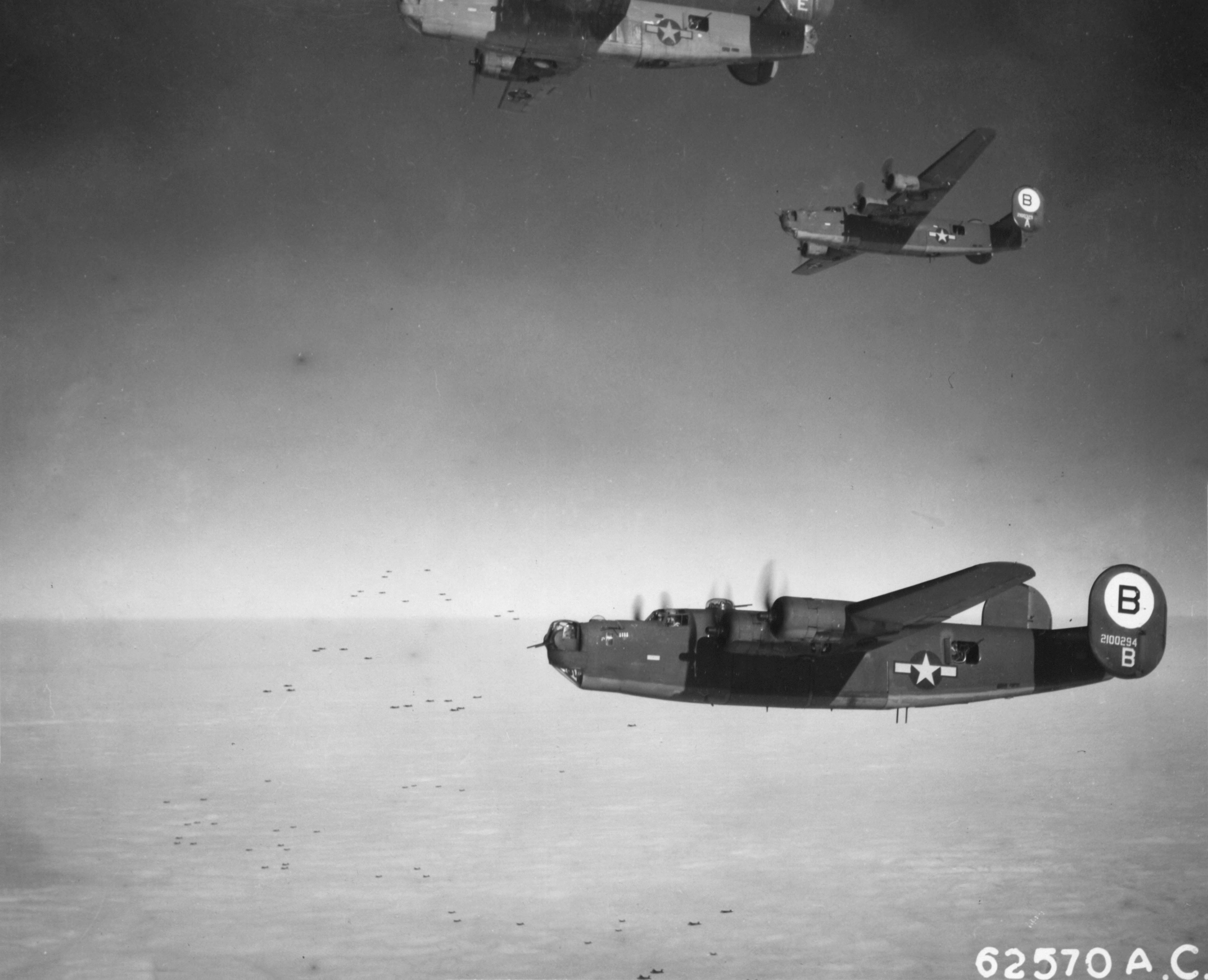
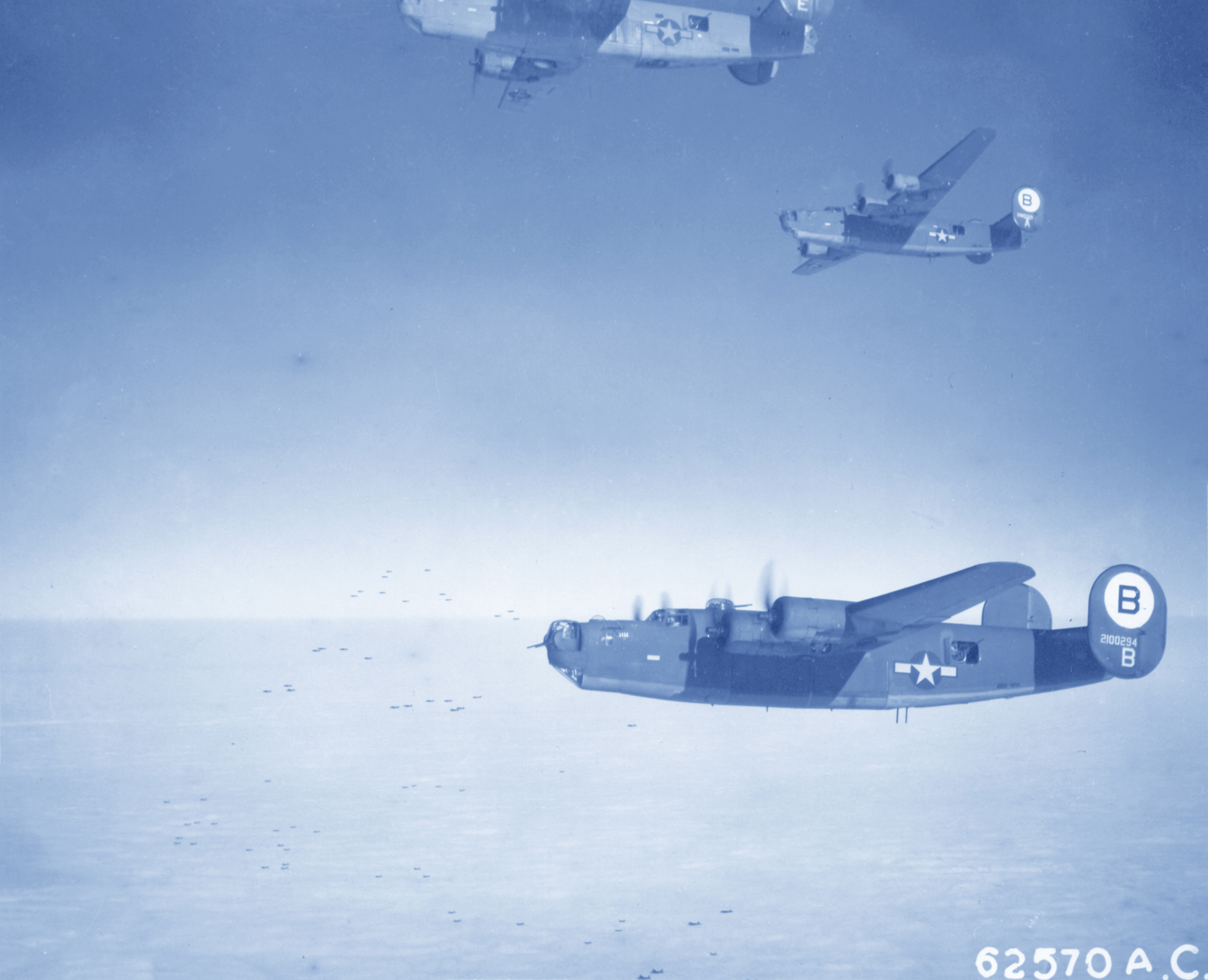
  42-100294 B-24J Liberator 8AF 93BG328BS GOB Victory Belle over occupied Europe Nov 1943 NA1743

  42-100320 B-24J Liberator 8AF 93BG328BS GOA behind GOB over occupied Europe Nov 1943 NA1743

Photo description: Consolidated B-24 "Liberators" Of The 2Nd Bomb Division, 8Th Air Force, Enroute To Bomb Enemy Installations Somewhere In Europe. 24 November 1943. 93Rd Bomb Group. (U.S. Air Force Number 62570AC)

Photo Source: National Archives Identifier NAID: 204842867 Local ID: 342-FH-3A05782-62570AC

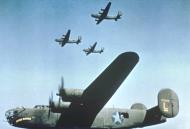
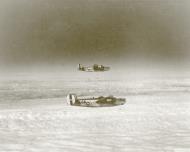
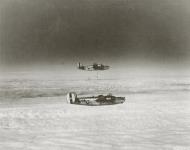
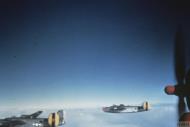
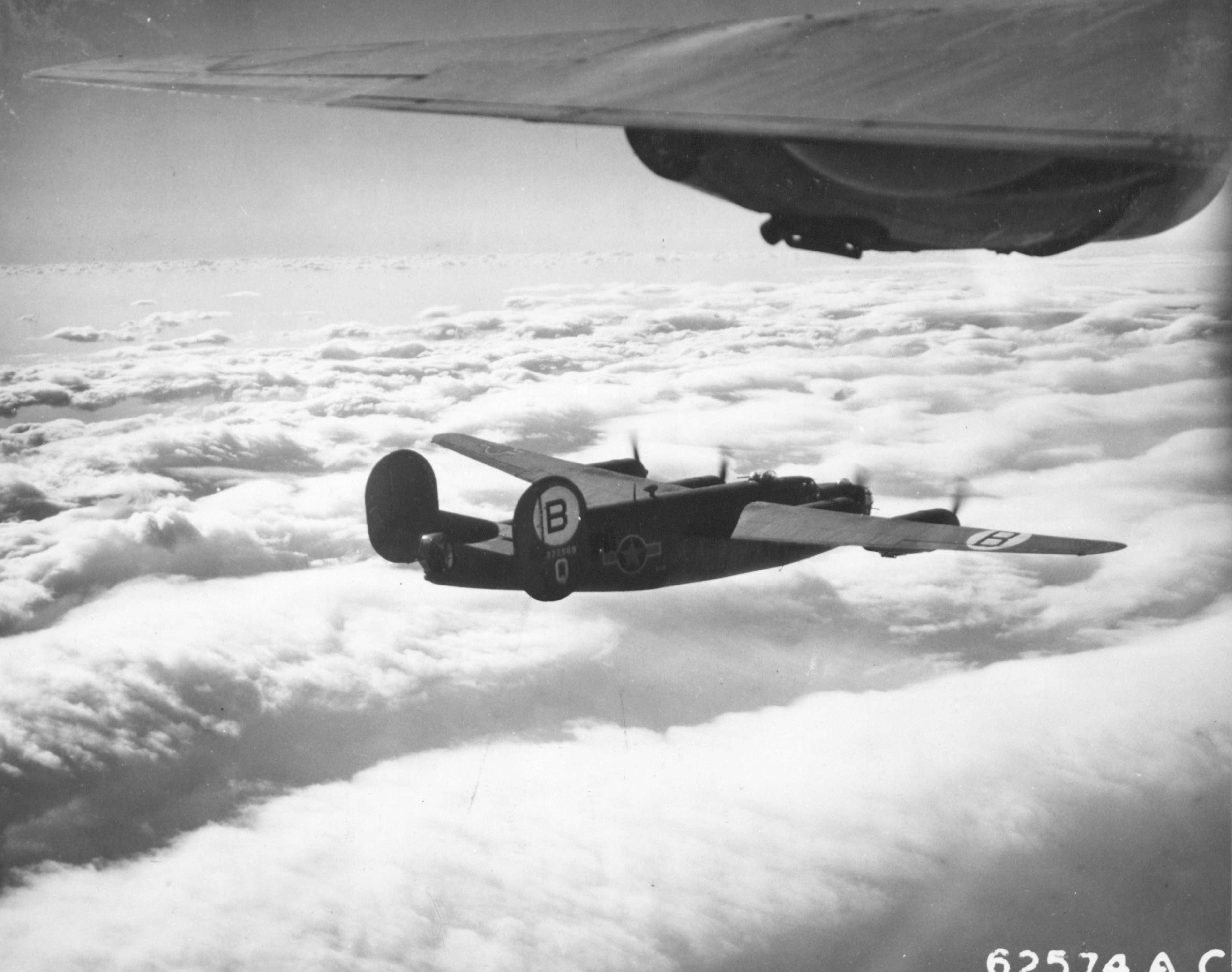
  42 72869 B-24D Liberator 8AF 93BG328BS GOQ Bear Down in formation NA478

Photo description: Consolidated B-24 Liberator Of The 2Nd Bomb Division 8Th Air Force - One In A Formation Of Liberators Enroute To Bomb Nazi Installations Somewhere In Europe, 24 November 1944. 93Rd Bomb Group. (U.S. Air Force Number 62574AC)

Photo Source: National Archives Identifier NAID: 204844353 Local ID: 342-FH-3A06160-62574AC

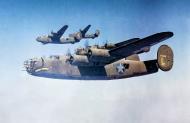
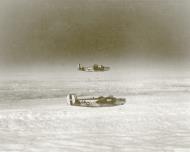
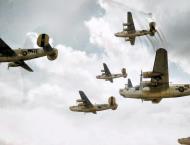
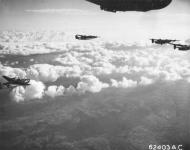
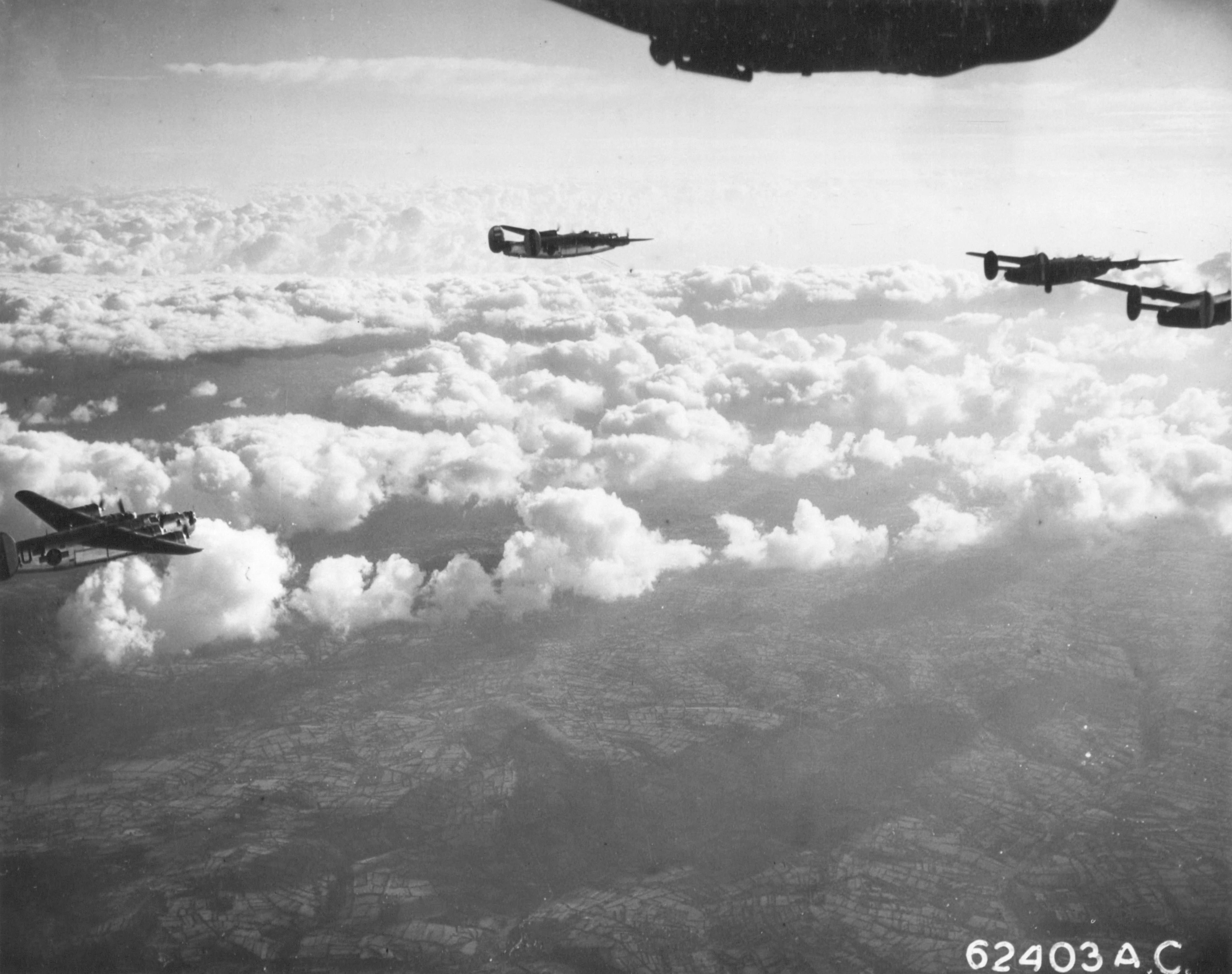
  Consolidated B-24 Liberators 8AF 93BG328BS GO during a mission 24th Nov 1944 NA1739

Photo description: Consolidated B-24 "Liberators" Of The 2Nd Bomb Division, 8Th Air Force, Enroute To Bomb Enemy Installations Somewhere In Europe. 24 November 1944. (U.S. Air Force Number 62403AC)

Photo Source: National Archives Identifier NAID: 204842861 Local ID: 342-FH-3A05780-62403AC

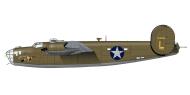
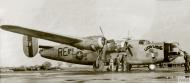
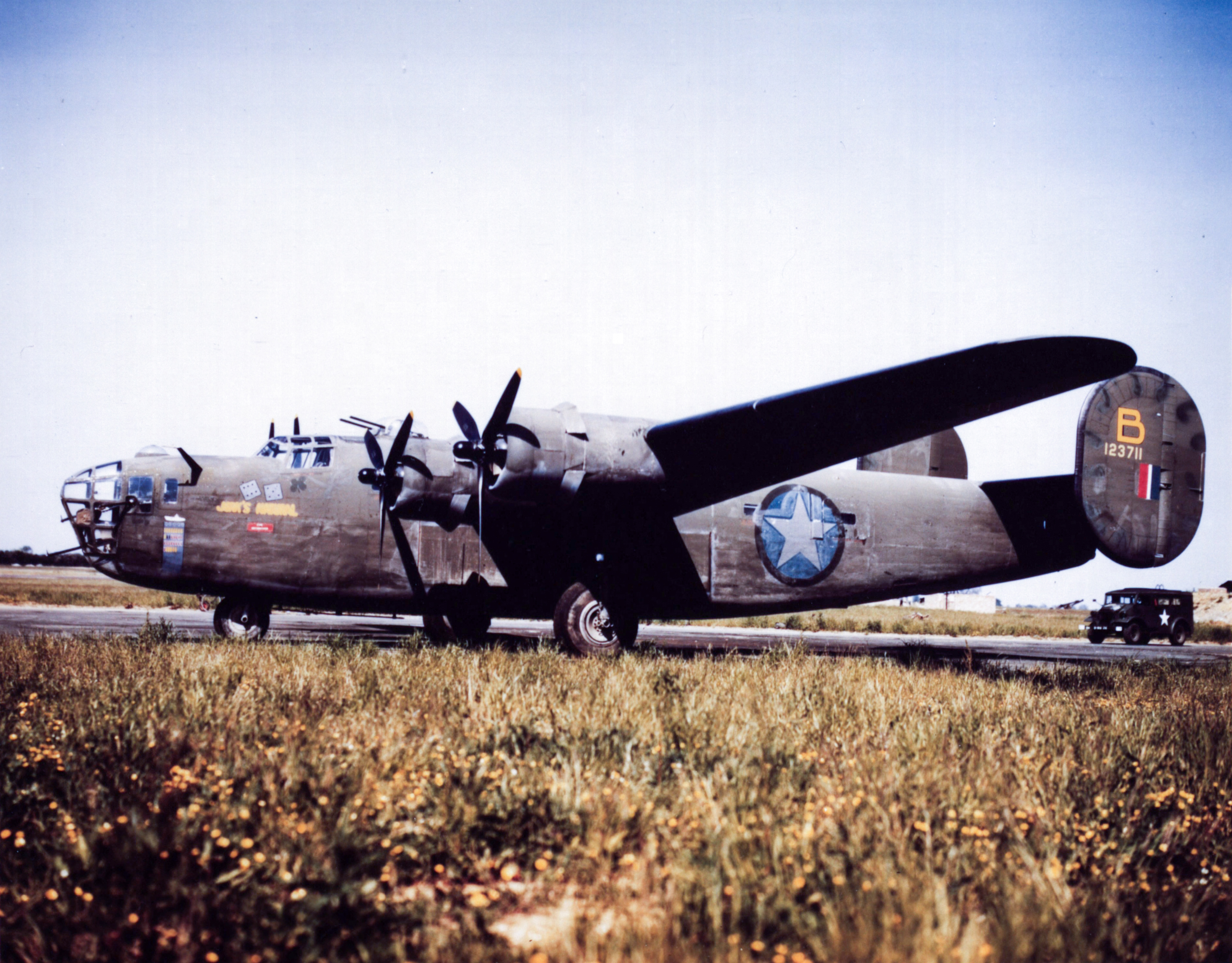
  41-23711 B-24D Liberator 8AF 93BG328BS GOB Jerk's Natural England K978

Photo description: Consolidated B-24 'Jerk'S Natural' Of The 8Th Air Force. England. (U.S. Air Force Number K978)

Photo Source: National Archives Identifier NAID: 205002392 Local ID: 342-FH-3A49551-K978

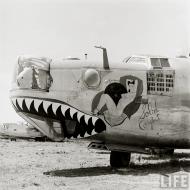
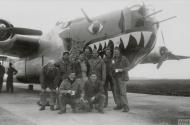
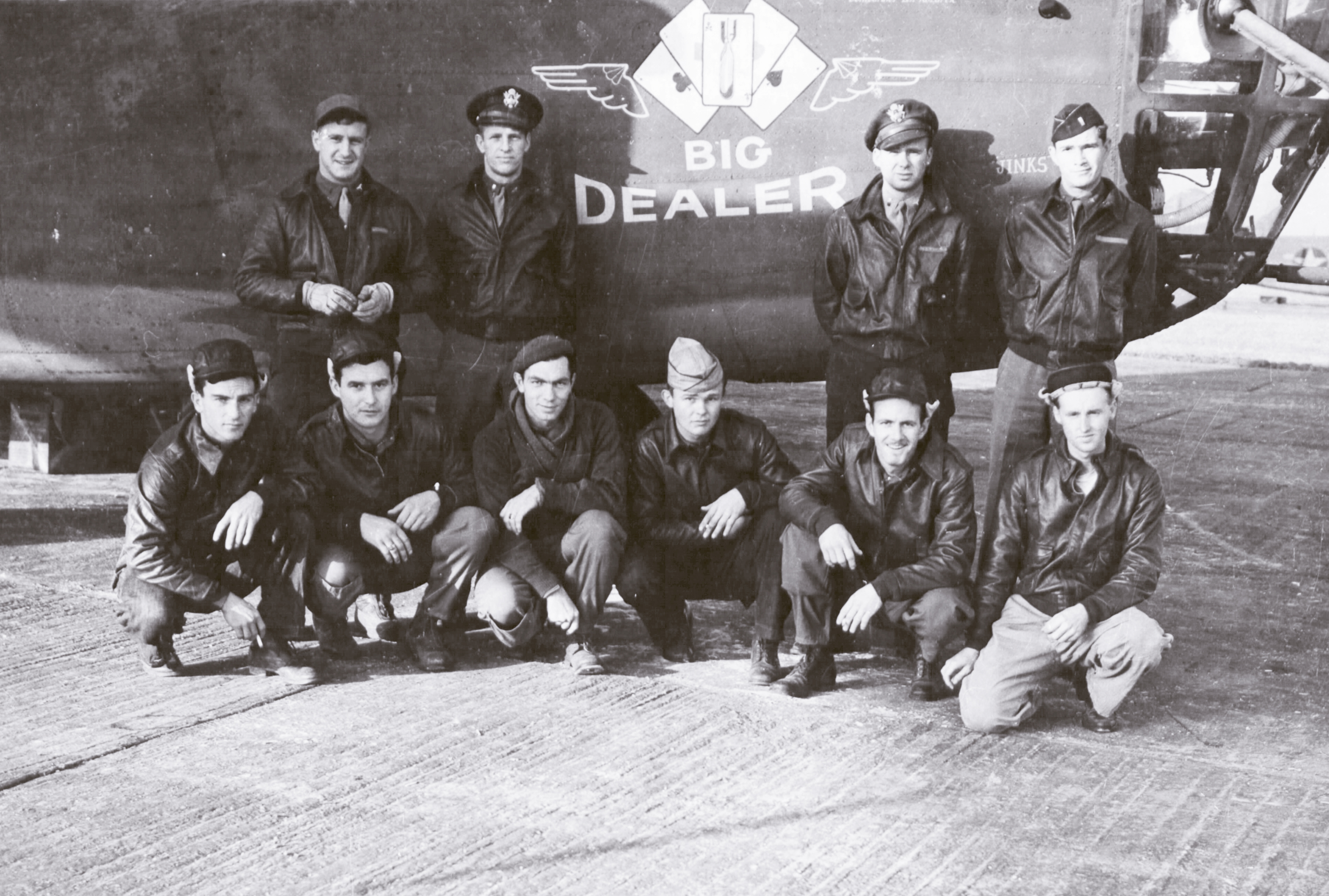
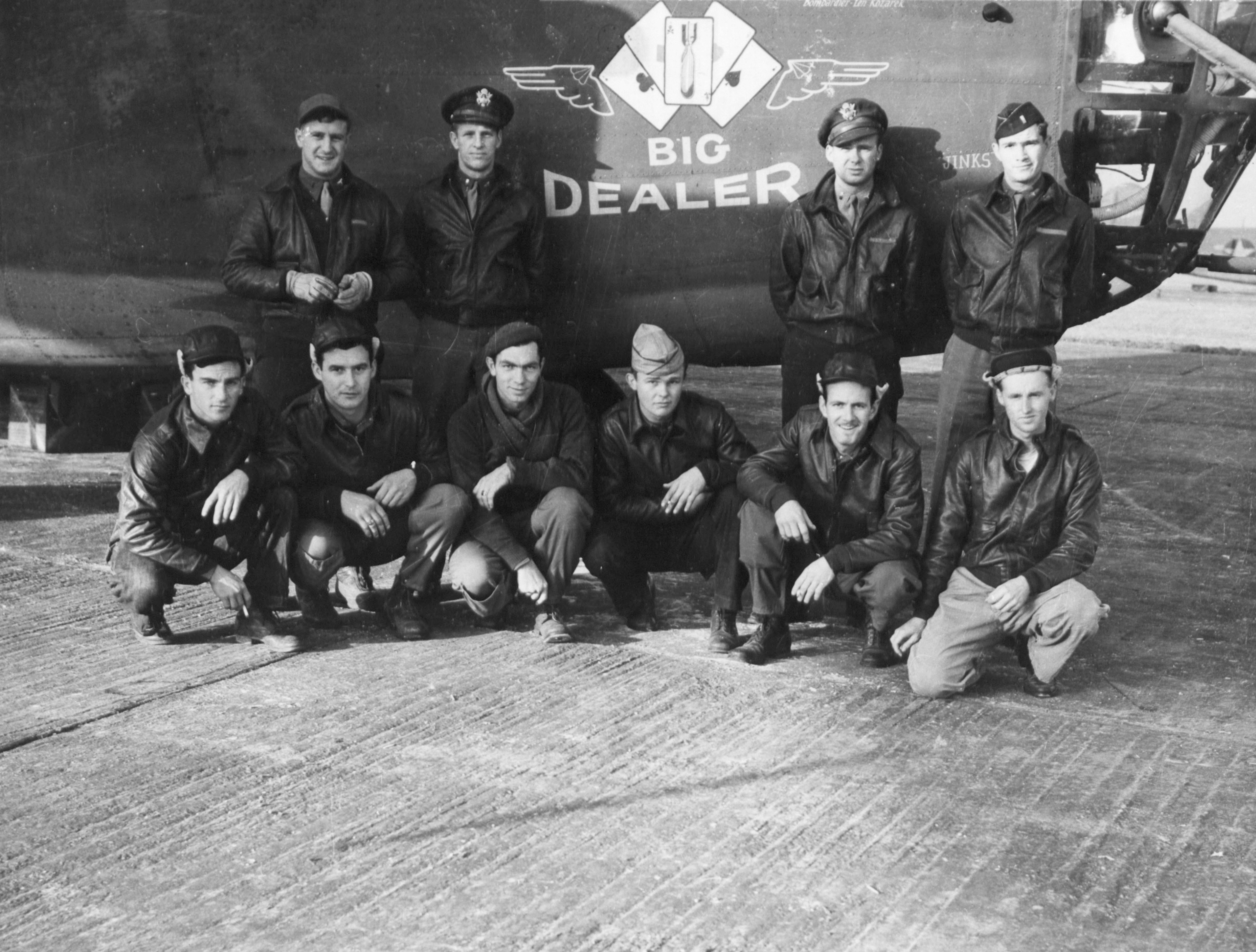
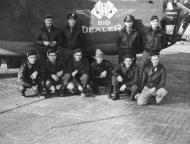
  41 23665 B-24D Liberator 8AF 93BG330BS Big Dealer nose art right side with crew NA613

Photo description: Capt Owen L Kunze (pilot) was born on oct 26th, 1919 - KIS on 10 jan 1943, flying aboard "Big Dealer" , crash near Bir El Khamsa , Egypt (running out of gas) (U.S. Air Force Number 117462AC)

Photo Source: National Archives Identifier NAID: 204991012 Local ID: 342-FH-3A45567-117462AC


93d Bombardment Group

93rd Bombardment Group

Constituted as 93rd Bombardment Group (Heavy) on 28 Jan 1942. Activated on 1 Mar 1942. Prepared for combat with B-24's. Engaged in antisubmarine operations over the Gulf of Mexico and the Caribbean Sea, May-Jul 1942.

Moved to England, Aug-Sep 1942, and assigned to Eighth AF. Entered combat on 9 Oct 1942 by attacking steel and engineering works at Lille. Until Dec 1942, operated primarily against submarine pens in the Bay of Biscay. A large detachment was sent to North Africa in Dec 1942, the group receiving a DUC for operations in that theater, Dec 1941-Feb 1943, when, with inadequate supplies and under the most difficult desert conditions, the detachment struck heavy blows at enemy shipping and communications. The detachment returned to England, Feb-Mar 1943, and until the end of Jun the group bombed engine repair works, harbors, power plants, and other targets in France, the Low Countries, and Germany. A detachment returned to the Mediterranean theater, Jun-Jul 1943, to support the invasion of Sicily and to participate in the famous low-level attack on enemy oil installations at Ploesti on 1 Aug. Having followed another element of the formation along the wrong course to Ploesti, the 93rd hit targets that had been assigned to other groups, but it carried out its bombing of the vital oil installations despite heavy losses inflicted by attacks from the fully-alerted enemy and was awarded a DUC for the operation. Lt Col Addison E Baker, group commander, and Maj John L Jerstad, a former member of the group who had volunteered for this mission, were posthumously awarded the Medal of Honor for action in the Ploesti raid: refusing to make a forced landing in their damaged B-24, these men, as pilot and co-pilot of the lead plane, led the group to bomb the oil facilities before their plane crashed in the target area. After the detachment returned to England in Aug 1943, the group flew only two missions before the detachment was sent back to the Mediterranean to support Fifth Army at Salerno during the invasion of Italy in Sep 1943. The detachment rejoined the group in Oct 1943, and until Apr 1945 the 93rd concentrated on bombardment of strategic targets such as marshalling yards, aircraft factories, oil refineries, chemical plants, and cities in Germany. In addition it bombed gun emplacements, choke points, and bridges near Cherbourg during the Normandy invasion in Jun 1944; attacked troop concentrations in northern France during the St Lo breakthrough in Jul 1944; transported food, gasoline, water, and other supplies to the Allies advancing across France, Aug-Sep 1944; dropped supplies to airborne troops in Holland on 18 Sep 1944; struck enemy transportation and other targets during the Battle of the Bulge, Dec 1944-Jan 1945; and flew two missions on 24 Mar 1945 during the airborne assault across the Rhine, dropping supplies to troops near Wesel and bombing a night-fighter base at Stormede. Ceased operations in Apr 1945. Returned to the US, May-Jun 1945.

Detailed report:

The 93rd Bombardment Group (Heavy) came into existence early in 1942 when experienced personnel from the 44th BG began training flight and maintenance crews for the new group at Barksdale Army Air Field, outside Shreveport, Louisiana. After training at Barksdale, the fledgling 93rd moved a few hundred miles further to the southeast to take up temporary residence at Ft. Meyers, Florida. While operating from Fort Meyers, the men of the 93rd continued to train while also flying antisubmarine missions over the Gulf of Mexico. During their stay at Ft. Meyers the men of the 93rd drew first blood against the Nazis as they were credited with three U-boats, one of which was sunk by the crew commanded by Lt. John L. Jerstad. After three months at Ft. Meyers, the 93rd moved north to Grenier Field, New Hampshire and began making preparations to fly across the North Atlantic to their new base at Alconbury, England.

On September 5 the B-24s left New Hampshire, but were weathered-in in Newfoundland for five days before they were able to continue on to Foggy England. Tragedy struck the 93rd as one of the group's B-24D Liberators and its crew was lost at sea. The group's ground personnel crossed the Atlantic aboard the Queen Elizabeth. With their arrival in England, the infant 93rd became the first American B-24 outfit to arrive in Europe.

On October 9, Colonel Ted Timberlake led 24 group airplanes on the 93rd's first combat mission against locomotive manufacturing facilities at Lille, France. The first mission was typical of things to come. German fighters attacked the formation as they were inbound to the target and the skies filled with flak as the Liberators began their bomb run. Several airplanes were hit by ground fire but, miraculously, only one B-24 failed to return from the mission. Captain Alex Simpson's Big Eagle was hit by flak over Dunkirk and went down. Five members of the crew were killed in action while Simpson, Lt. Nick Cox, Lt. Carl Garrett and Sgt. Michael Reardon became POWs. Sergeant Arthur Cox managed to evade capture and made his way to neutral Spain, with the assistance of the French underground. Several of the returning bombers had been hit by flak or fire from the fighters. When the strike photos were developed, they showed that damage to the factory had been minimal. After their baptismal mission, the men of the 93rd were prevented by bad weather from flying any more missions in October, but in November 1942 the group flew eight missions to targets in France that were aimed primarily at U-boat bases and maintenance facilities. While the rest of the group was engaged in bombing activities, the 330th squadron was detached to the Coastal Command for antisubmarine activities over the Bay of Biscay.

On November 13 the group received a distinguished visitor as King George VI made his first visit to an American heavy bomber base. Early December brought bad weather in England and no missions were flown. Then General Ira Eaker, the Eighth Air Force commander, notified Colonel Timberlake to take three of his squadrons and go to North Africa for a 10-day mission. The 10 days would turn into nearly that many weeks. The 328th, 330th and 409th squadrons left their base at Alconbury, England on a long flight that would end at Tafarouri Aerodrome, a former French airfield outside Oran in Algeria. The 329th squadron remained behind, along with most of the maintenance and other support personnel. The 93rd was sent TDY to supplement the fledgling Twelfth Air Force, which had been recently activated in North Africa. The airfield at Tafarouri was very muddy, and even though two missions were flown, the group was moved to Gambut Main, an airfield in Libya, where the men of the 93rd were now attached to the Ninth Air Force. From Libya the 93rd flew missions against German and Italian targets on both sides of the Mediterranean in support of the North African Campaign. In Libya the 93rd worked with the 98th Bomb Group, which had arrived from the United States, and the 376th Bomb Group, which was in the process of forming in Libya from an assortment of B-24s that had been operating from Egypt after arriving in the theater piece-meal. Major Keith K. Compton, the 93rd's operation officer, was transferred and promoted to take command of the new 376th.

The group remained in Africa until late February, when orders came down to return to England. But instead of returning to Alconbury from whence they had departed, the 93rd was going to a new base at Hardwick, which had been constructed during their absence. While the rest of the group was in Africa, the 329th squadron stayed in England. The squadron moved to Flixton Aerodrome at Bungay in early December, when the rest of the group was told to relocate to Hardwick for the construction of what was to become the group's permanent base. At Flixton, the 329th airplanes were equipped with sophisticated electronic navigational equipment that allowed "blind bombing" through overcast. The men of the 329th took part in an experiment called "Moleing" which consisted of sending out individual bombers to strike cities by bombing through the overcasts in an attempt to disrupt the German factory workers. On January 2, 1943 four 329th B-24s were the first American bombers to penetrate German airspace as they headed for targets in the Ruhr Valley. Ironically, the weather CLEARED as the bombers approached their targets, and under explicit orders not to risk the loss of the airplanes and their equipment, the crews aborted the mission and dropped their bombs in the North Sea. Since they had not bombed, the mission was not reported in the press. In addition to the "Moleing" missions, the 329th flew missions with the 44th Bomb Group, which had arrived in England shortly after their parent group.

After the return of the man body of the 93rd to England, the group resumed bombing missions with the Eighth Air Force and the 44th group, which at the time was the only other B-24 group in England. By May some crews and airplanes were reaching the magic number of 25 missions at which point the crews were supposed to be allowed to return to the United States. On May 3 Captain "Shine" Shannon departed Alconbury to return to the United States in "Hot Stuff," which was the first American heavy bomber to complete 25 missions. On board the airplane was Lieutenant General Frank Andrews, who at the time was the highest-ranking US Army officer in England. Andrews had been summoned back to Washington for a special meeting with General of the Army George Marshall. Though they were supposed to refuel at Prestwick, Scotland before heading out over the Atlantic, the crew elected to overfly Prestwick and proceed to their next destination, Reykjavik, Iceland. They arrived to find the weather at their destination down in snow squalls, low clouds and rain. After several landing attempts, the B-24 crashed into the side of a mountain. Only the tail-gunner survived the crash.

The 93rd continued to fly missions from England through May, but in early June the group was taken off of operations along with the 44th to begin training in very low-altitude operations. The two veteran B-24 groups were joined by the newly arrived 389th Bomb Group, which had just arrived from the United States and had yet to fly a mission. In mid-May Colonel Timberlake was given command of the 210th Provisional Bomb Wing, which included the 93rd, 44th and 389th. Lt. Col. Addison Baker, the former squadron commander of the 328th BS, took command of the group. On June 26, 1943 Baker led the 93rd out of England for La Senia Aerodrome at Oran. The 93rd was back in North Africa, but this time the whole group was there, along with two other Eighth Air Force B-24 groups. On June 27 the group moved again, this time to Terria, a base in Libya. The three Eighth Air Force B-24 groups joined the 98th and 376th of the Ninth Air Force as every available B-24 in the ETO was concentrated in North Africa. After their arrival in Libya the 93rd joined other Liberator groups on missions to Italy and Sicily in support of the invasion of Sicily, which took place on July 9. Ten missions were flown out of Libya against targets on the north shores of the Mediterranean, including the first mission to Rome on July 19, and then the group stood down in preparation for the most famous Liberator mission of the war, and possibly the most dangerous mission ever flown by American bomber crews - the low-altitude mission against the Ploesti Oil Fields in Romania. Located in the foothills of the Transylvanian Alps, Ploesti was the major source of petroleum products for Axis forces in the Mediterranean.

In the belief that a "knockout blow" against Ploesti would shorten the war in Europe, the Allied leadership at the Casablanca Conference decided to attack the refineries. Col. Jacob Smart, a planner on the staff of Army Air Forces commander General Henry H. Arnold, believed that a low-altitude attack would not only allow pinpoint accuracy, it would also catch the defenders by surprise and reduce casualties, which were expected to be very heavy. The plan called for the 93rd to be the second group in the lead formation, with the group split into two forces. Force A was to hit the Concordia Refinery complex while Force B was to hit the Standard Petrol and Unirea Sperantza blocks, which were labeled Targets White Two and Three, respectively. "Tidal Wave," as the mission was named, started to go wrong when German detection devices in the Alps picked up the ignition systems of the 178 Liberators as soon as they took off from their bases around Benghazi on Sunday, August 1, 1943. All Axis air defenses were alerted that a major mission was underway. Though the Allies did not appreciate it's magnitude, a massive defense system had been built up around the refineries, making Ploesti possibly the most heavily defended target in the world. Dozens of large caliber antiaircraft guns had been installed around the complex while literally hundreds of smaller automatic weapons defended against attack by low-flying aircraft. Barrage balloons were position around the refineries, though the planners had anticipated that the wings of the low-flying B-24s would cut their tethers. There were also several squadrons of German and Romanian fighters based in the region, as well as in neighboring Bulgaria and other countries along the route.

The lead elements of the Tidal Wave force reached the vicinity of the refineries before they were attacked. An unfortunate error by Col. K.K. Compton led the formation into a turn short of the Initial Approach Point. The formation of B-24s was headed for Bucharest, though Colonel Baker and other pilots and navigators in the formation were aware of the error. Seeing the stacks of the refinery through a veil of rain showers to his left, Colonel Baker led the 93rd into a left turn to attack the refineries, even though they were out of position for an attack on their assigned target. By this time enemy fighters had found the formation and the Battle of Ploesti was underway. After breaking formation with the errant 376th, Colonel Baker took the two forces of the 93rd down to treetop altitudes. As they approached the refinery complex, the low-flying B-24s encountered terrible ground fire. Since the targets for which they had been briefed were on the other side of the city, the 93rd made for targets of opportunity, which happened to be the targets that had been assigned to the 98th and 44th groups, which had fallen behind the lead formation and lost all visual contact with the airplanes that preceded them. Airplane after airplane was hit by ground fire; crew members were killed and wounded and some airplanes were shot down, but the two elements of the 93rd group held their formation. Colonel Baker's airplane took numerous hits as it approached the refinery and caught fire, but the 93rd group commander held his course and led Force A over the target he had selected as the stricken bomber continued to take hit after hit. Two miles from the bomb line Baker jettisoned his bombs in attempt to keep the Liberator in the air. After crossing over the stacks, the airplane pitched over on one wing and crashed in a wheat field. Baker and his copilot, Major John Jerstad, would be awarded the Medal of Honor for leading their group over the target in their burning airplane. Of the thirty-nine 93rd B-24s that took off from Benghazi, thirty-four reached the target. Only fifteen came away from the target in formation and of those, only five escaped with little damage.

To replace Lt. Col. Baker, Colonel Leland Fiegel, who had been with the 93rd for a brief time in the United States, was brought to Africa to take command of the group. There was a stand-down of a week and a half after Ploesti, then on August 13 crews from the group participated in the first US attack on the aircraft factories at Wiener-Nuestadt, Austria. Three days later the B-24s bombed Foggia, then went there again three days after that. On August 24 the Eighth Air Force groups began their return to England. When the group returned to England, the surviving veterans who had completed the required 25 missions were sent home and their places were taken by replacement crews that had just arrived from the United States. The battle-weary B-24Ds also began to be replaced, by brand-new B-24H and J-models that featured a power turret in the nose. Because of their limited strength after Ploesti, the B-24 groups were assigned primarily to diversion missions to draw fighters away from the B-17s and for attacks on targets in France.

But only a little more than two weeks after they returned to England, the men of the 93rd, along with their peers in the 44th and 389th, were alerted to return to North Africa, this time to Tunis. Once in North Africa, the B-24 groups joined the remnants of the two Ninth Air Force Liberator groups in attacks on targets in Italy and Austria, including a second attack on Wiener-Nuestadt, a mission that turned out to be another costly day for the B-24s. Fortunately for the men of the 93rd, most of the losses were taken by the 44th, which had a reputation as a "hard-luck" outfit. After Wiener-Nuestadt, the 93rd and the rest of the Second Air Division returned to England. For the rest of the war the Eighth Air Force B-24s would operate along with their sister groups which flew B-17s in the aerial assault on Germany. Even though the group was no longer "travelling," it was still very much in the war. The 93rd arrived back in England with the other two Eighth Air Force Liberator groups as the US Army was beginning a huge buildup of heavy bomber forces to attack German targets in preparation for the invasion of Normandy. The Circus arrived back in Europe just in time for their first anniversary as a combat unit. The 93rd had flown 72 missions in one year of combat, including the most dangerous bomber mission of World War II. But there was more to come. While the Eighth Air Force Liberators were in Africa, their B-17 counterparts had continued a bombing campaign against targets in Germany and occupied Europe. The 93rd jointed the other Liberator groups and the B-17s in a continuation of the air war against Germany. The first missions were flown against targets such as submarine pens at Vegasack and Danzig, Poland. On October 14 eighteen 93rd Liberators joined the mission to Schweinfurt, Germany. But the B-24 groups were unable to assemble in the bad weather that had built-up in their assembly area and only the 93rd and 392nd were able to depart for the target. Colonel Leland Fiegel, the 93rd commander, was in the lead airplane. When his force had dwindled down to only 22 airplanes, he realized they were too small to continue on to the target. Instead, he led the Liberators on a diversion mission to draw attention away from the B-17s who ran into disaster over the target.

By this time few of the original 93rd crews remained in action. Those who had finished their missions were rotating back to the US, while the unlucky ones were either KIA or imprisoned in Nazi POW camps. New crews and new, better-equipped, airplanes joined the group's four squadrons. In October the Army Air Forces began using pathfinder crews flying airplanes equipped with special navigational equipment and radar bombsights to find targets even when they were enshrouded by clouds. The 329th Bomb Squadron became a Pathfinder unit, and its crews were detached to other groups to fly as lead planes. In early 1944 Lt. General James H. Doolittle took over the Eighth Air Force. One of his first actions was to increase the number of required missions from 25 to 30, an action that did not endear the famous race pilot and leader of the raid on Tokyo to his new subordinates. But Doolittle was determined to win the war. His orders were to destroy the German air force, both in the air and on the ground. In late February Doolittle launched what came to be known as "Big Week," as Eighth Air Force B-17 and B-24 crews were sent against targets connected to the German aviation industry. "Big Week" was followed by the first daylight raids against Berlin, the German capital.

Other missions were aimed at German V-bomb sites in the Pas de Calais region of France and still others were against German oil refineries and synthetic oil production plants. As the planned - though secret - date for the planned invasion of Normandy approached, the heavy bombers were dispatched against transportation targets in France. On D-Day itself, 93rd crews joined other Eighth Air Force heavy bomber crews on missions in support of the landings. With Allied ground troops on French soil, the heavy bombers were used primarily in a tactical role for several weeks. It wasn't until June 18 that 93rd crews returned to strategic bombing, in a mission against fighter bases in the vicinity of Hamburg. From then on for the rest of the war, 93rd and other Liberator groups alternated between strategic and tactical targets. In early August the Allies broke out of the Normandy beachhead and began a rapid advance across France. General George Patton's Third Army moved so fast that his tank columns quickly outran their lines of supply. The Ninth Air Force troop carrier groups were heavily burdened, so some Liberator groups, including the 93rd, were taken off of bombing operations and assigned to transport duty. The airplanes were filled with 5-gallon "Jerry" cans of gasoline, and were flown into newly captured German airfields in France where the cargo was transferred to trucks for delivery to the advancing tanks. Fuel was not the only cargo carried by the B-24s. Some missions transported "mercy" supplies, such as blood plasma as well as food, automobile parts and even drinking water. By the end of August more than 25% of the 93rd's strength was devoted to transport missions. The most dangerous of the "trucking" missions, as the Liberator crewman referred to the cargo missions, were the airdrops in support of the Allied airborne army which landed by parachute and glider in the vicinity of Arnhem, in Holland.

Since the Ninth Air Force Troop Carrier Command was heavily tasked with moving reinforcements to the area, the job of delivering supplies fell to B-24 crews, including the 93rd. On September 18 the 93rd dispatched 18 Liberators on a drop mission in support of the paratroops. The drops required very low altitude flying that brought back memories of the Ploesti mission of the year before. As the low-flying Liberators approached the drop zone, German antiaircraft gunners opened up on them. Two 93rd Liberators were shot down on the drop mission that day, while five others were lost by other groups. In December the Germans launched a massive counterattack against Allied forces in Belgium. Bad weather kept the heavy bombers on the ground for several days, but on Christmas Day the weather finally broke and the 93rd joined other Liberator groups attacking German transportation in support of the troops fighting in the Battle of the Bulge. The German offensive lost steam as the motorized battalions ran out of fuel. Their lack of fuel was a tribute to the tremendous work that had been done by Eighth and Fifteenth Air Force heavy bombers over the preceding years. As the new year dawned, it became more and more apparent that the war in Europe was winding down. Though the German Luftwaffe was still a potent threat, it's lack of fuel and experienced pilots kept it from living up to it's potential.

By April the mission planners in England were running out of targets. On April 30, 1945 the entire Eighth Air Force stood down because there were no targets left to bomb. The air war in Europe was over. When the war in Europe ended, the Circus had achieved an unparalleled record. Not only had the 93rd flown more missions than any other B-24 equipped group, it had done so while achieving the lowest rate in casualties. While flying 396 missions and 8,169 sorties, the 93rd lost only 100 airplanes in combat. Forty other 93rd airplanes were lost in non-combat related incidents and accidents. Casualties among the men of the Circus were 670 KIA/MIA. Gunners assigned to 93rd airplanes were credited with 93 enemy fighters and 41 probables. Two men from the 93rd, Lt. Col. Addison Baker and Major John Jerstad, were awarded the Medal of Honor, both posthumously. The group was awarded 16 campaign ribbons and two Distinguished Unit Citations.

Redesignated 93rd Bombardment Group (Very Heavy) in Jul 1945. Assigned to Strategic Air Command on 21 Mar 1946. Trained with B-29's. Redesignated 93rd Bombardment Group (Medium) in May 1948. Converted to B-50 aircraft in 1949. Inactivated on 16 Jun 1952.

Squadrons. 328th: 1942-1952. 329th: 1942-1952. 330th: 1942-1952. 409th: 1942-1946.

Stations. Barksdale Field, La, 1 Mar 1942; Ft Myers, Fla, 15 May-2 Aug 1942; Alconbury, England, 7 Sep 1942; Hardwick, England, 6 Dec 1942-19 May 1945; Sioux Falls AAFld, SD, Jun 1945; Pratt AAFld, Kan, 24 Jul 1945; Clovis AAFld, NM, 13 Dec 1945; Castle Field, Calif, 21 Jun 1946-16 Jun 1952.

Commanders. 1st Lt Robert M Tate, 1 Mar 1942; Col Edward Timberlake Jr, 26 Mar 1942; Lt Col Addison E Baker, 17 May 1943; Col Leland G Fiegel, 9 Aug 1943; Lt Col Harvey P Barnard Jr, 27 Sep 1944; Col William R Robertson Jr, 5 Dec 1944; Lt Col Therman D Brown, 6 Apr 1945; Maj Jacob A Herrmann, 29 Jul 1945; Lt Col William W Amorous, 6 Aug 1945; Col Henry W Dorr, c. 5 Oct 1945-unkn; Lt Col Kenneth Grunewald, 1946; Maj Arthur R Pidgeon, 1946; Maj Loyd D Griffin, 1946; CWO Steve Stanowich, 1946; Capt Joe W Moore Jr, Oct 1946; Capt Allen Milnes, 1946-unkn; Lt Col John C Thrift, Aug 1947; Col Glendon P Overing, 1 Sep 1948; Lt Col Colin E Anderson, 3 Nov 1949; Col John E Dougherty, 1 Dec 1949; Brig Gen Robert H Terrill, Feb 1951; Col Richard H Carmichael, 16 Apr 1951; Col John E Dougherty, 19 Oct 1951-16 Jun 1952.

Campaigns. Antisubmarine, American Theater; Air Combat, EAME Theater; Egypt-Libya; Air Offensive, Europe; Tunisia; Sicily; Naples-Foggia; Normandy; Northern France; Rhineland; Ardennes-Alsace; Central Europe.

Decorations. Distinguished Unit Citations: North Africa, 17 Dec 1942-20 Feb 1943; Ploesti, Rumania, 1 Aug 1943.

Insigne Shield: Azure, in front of a bend parti per bend sable and argent between two globes of the last with latitude and longitude lines of the second, the one in chief bearing a wreath vert and the one in base bearing a cross of four arrows, points out of the first, gules, or and of the fifth, a lightning flash bend sinisterwise or. (Approved 4 Sep 1953.)

Consolidated B-24 Liberator - Operators


B-24 Liberator units of the United States Army Air Forces

This is a list of United States Army Air Forces B-24 Liberator combat units during World War II including variants and other historical information. Heavy bomber training organizations primarily under II Bomber Command in the United States and non-combat units are not included.

The USAAF took delivery of its first B-24As in June 1941, although the B-24D was the first production model delivered in quantity in July 1942. B-24s were assigned to every combat Air Force; at peak inventory, the USAAF had 6,043 B-24 Liberators operating worldwide in September 1944.

Following the end of World War II, the Liberator was rapidly withdrawn from USAAF service, being replaced by the Boeing B-29 Superfortress. Literally thousands of Liberators were flown to various disposal units where they were cut up for scrap. Some brand-new late-production B-24Ms from Convair/San Diego and Ford/Willow Run were flown directly from the factory to various reclamation sites such as the scrapyard at RFC Kingman, Arizona in 1945, as the war in Europe had ended and B-29s were doing most of the long-range bombing work in the Pacific.

Only a few Liberators were still around when the United States Air Force was formed in 1947, most of them being used for various research purposes. The last USAF Liberator, a Ford EZB-24M-20-FO serial number 44-51228 used by the Aeronautical Icing Research Laboratory for ice research, was struck off the rolls in 1953. For a time, it was on display at Lackland AFB, Texas, with the armament and gunner positions restored. It is currently at the American Museum at Duxford Aerodrome, England painted as 44-50492, a B-24M that was assigned to the 392d Bombardment Group, 578th Bombardment Squadron.

Eighth Air Force

Was primary heavy bombardment Air Force in the European Theater of Operations (ETO) during World War II, stationed in England. Mission was conducting long-range strategic bomber offensive against Occupied Europe and Nazi Germany. The first Liberator mission from England took place on October 9, 1942. Several VIII Bomber Command Liberator groups deployed aircraft to Libya in late 1942 and 1943 to augment IX Bomber Command and carry out attacks against Axis targets in the Mediterranean. Ultimately a total of twenty-one Liberator-equipped groups were deployed and operated with the Eighth Air Force 2d and 3d Bombardment Divisions.


34th Bombardment Group

34th Bombardment Group

RAF Mendlesham, April 1944-July 1945. Converted to B-17s, September 1944

4th Bombardment Squadron

7th Bombardment Squadron

18th Bombardment Squadron

391st Bombardment Squadron


44th Bombardment Group

44th Bombardment Group 66th Bombardment Squadron 67th Bombardment Squadron 68th Bombardment Squadron 506th Bombardment Squadron

44th Bombardment Group

RAF Shipdham, October 1942-June 1945. Deployed to Ninth Air Force, June–August 1943. Participated in August 1, 1943 Attack on Ploesti Oilfields, Romania. Converted to B-29s

66th Bombardment Squadron 15 January 1941 – 12 July 1946

67th Bombardment Squadron 15 January 1941 – 12 July 1946

68th Bombardment Squadron 15 January 1941 – 12 July 1946

404th Bombardment Squadron 15 January 1941 – 12 July 1942

506th Bombardment Squadron 1 October 1942 – 7 March 1946


93d Bombardment Group

93d Bombardment Group

RAF Hardwick, December 1942-May 1945. Deployed to Ninth Air Force, December 1942-August 1943. Participated in August 1, 1943 Attack on Ploesti Oilfields, Romania. Inactivated December 1945

328th Bombardment Squadron

329th Bombardment Squadron

330th Bombardment Squadron

409th Bombardment Squadron


389th Bombardment Group

389th Bombardment Group

RAF Hethel, June 1943–May 1945. Deployed to Ninth Air Force, July–August 1943. Participated in August 1, 1943 Attack on Ploesti Oilfields, Romania. Inactivated September 1945

564th Bombardment Squadron

565th Bombardment Squadron

566th Bombardment Squadron

567th Bombardment Squadron


392d Bombardment Group

392d Bombardment Group

RAF Wendling, July 1943–June 1945. Inactivated September 1945

576th Bombardment Squadron

577th Bombardment Squadron

578th Bombardment Squadron

579th Bombardment Squadron


445th Bombardment Group

445th Bombardment Group

RAF Tibenham, November 1943-May 1945. Inactivated September 1945

700th Bombardment Squadron

701st Bombardment Squadron

702d Bombardment Squadron

703d Bombardment Squadron


446th Bombardment Group

446th Bombardment Group

RAF Bungay, November 1943-July 1945. Inactivated August 1945

704th Bombardment Squadron

705th Bombardment Squadron

706th Bombardment Squadron

707th Bombardment Squadron


447th Bombardment Group

447th Bombardment Group

RAF Attlebridge, March 1944-July 1945. Converted to B-17s, Summer 1944

708th Bombardment Squadron

709th Bombardment Squadron

710th Bombardment Squadron

711th Bombardment Squadron


448th Bombardment Group

448th Bombardment Group

RAF Seething, December 1943-July 1945. Converted to B-29s

712th Bombardment Squadron

713th Bombardment Squadron

714th Bombardment Squadron

715th Bombardment Squadron


453d Bombardment Group

453d Bombardment Group

RAF Old Buckenham, December 1943-May 1945. Inactivated August 1945

732d Bombardment Squadron

733d Bombardment Squadron

734th Bombardment Squadron

735th Bombardment Squadron


458th Bombardment Group

458th Bombardment Group

RAF Horsham St. Faith, January 1944-June 1945. Converted to B-29s

752d Bombardment Squadron

753d Bombardment Squadron

754th Bombardment Squadron

755th Bombardment Squadron


466th Bombardment Group

466th Bombardment Group

RAF Attlebridge, March 1944-July 1945. Inactivated July 1945

784th Bombardment Squadron

785th Bombardment Squadron

786th Bombardment Squadron

787th Bombardment Squadron


467th Bombardment Group

467th Bombardment Group

RAF Rackheath, March 1944-June 1945. Converted to B-29s

788th Bombardment Squadron

789th Bombardment Squadron

790th Bombardment Squadron

791st Bombardment Squadron


482d Bombardment Group

482d Bombardment Group (Pathfinder)

RAF Alconbury, August 1943-May 1945 Attached to: VIII Composite Command, February 1944-January 1945. Composite group with 2 squadrons of B-17s and one of B-24s. Conducted Pathfinder missions using H2X radar. Inactivated September 1945.

812th Bombardment Squadron (B-17)

813th Bombardment Squadron (B-17)

814th Bombardment Squadron (B-24)


486th Bombardment Group

486th Bombardment Group

RAF Sudbury, April–November 1944. Converted to B-17s, August 1944.

832d Bombardment Squadron

833d Bombardment Squadron

834th Bombardment Squadron

835th Bombardment Squadron


487th Bombardment Group

487th Bombardment Group

RAF Lavenham, April 1944–February 1945. Converted to B-17s, July 1944.

836th Bombardment Squadron

837th Bombardment Squadron

838th Bombardment Squadron

839th Bombardment Squadron


489th Bombardment Group

489th Bombardment Group

RAF Halesworth, May–November 1944. Converted to B-29s, December 1944.

844th Bombardment Squadron

845th Bombardment Squadron

846th Bombardment Squadron

847th Bombardment Squadron


490th Bombardment Group

490th Bombardment Group

RAF Eye, May 1944-October 1944. Converted to B-17s, August 1944.

848th Bombardment Squadron

849th Bombardment Squadron

850th Bombardment Squadron

851st Bombardment Squadron


491st Bombardment Group

491st Bombardment Group

RAF Metfield, RAF North Pickenham, April 1944-July 1945. Inactivated September 1945.

852d Bombardment Squadron

853d Bombardment Squadron

854th Bombardment Squadron

855th Bombardment Squadron


492d Bombardment Group

492d Bombardment Group

Unit deployed to RAF North Pickenham, January 1944. Re-designation of 801st Bombardment Group (Provisional), August 1944. Unit at RAF Harrington until August 1945. Converted to B-29s, August 1945.

856th Bombardment Squadron

857th Bombardment Squadron

858th Bombardment Squadron

859th Bombardment Squadron


493d Bombardment Group

493d Bombardment Group

RAF Debach, RAF Wormingford, April 1944-August 1945. Converted to B-17s, May 1944.

860th Bombardment Squadron

861st Bombardment Squadron

862d Bombardment Squadron

863d Bombardment Squadron

Consolidated B-24 Liberator

National origin:- United States
Role:- Heavy bomber, Anti-submarine warfare, Maritime patrol aircraft
Manufacturer:- Consolidated Aircraft
Designer:- Consolidated Aircraft
First flight:-
Introduction:- 1941
Produced:- 1940 - 1945
Status:- Retired 1968 (Indian Air Force)[1]
Number built:- 18,188[2]
Variants:- Consolidated PB4Y-2 Privateer, Consolidated C-87 Liberator Express, Consolidated Liberator I
Developed into:- Consolidated R2Y, Consolidated B-32 Dominator
Primary users:-  United States Army Air Force;  United States Navy;  Royal Air Force;  Royal Australian Air Force

Specifications (B-24J)

Data from Quest for Performance,[57] Jane's Fighting aircraft of World War II,[58] General Dynamics aircraft and their predecessors[59]

General characteristics

Crew: 11 (pilot, co-pilot, navigator, bombardier, radio operator, nose turret, top turret, 2 waist gunners, ball turret, tail gunner)
Length: 67 ft 2 in (20.47 m)
Wingspan: 110 ft (34 m)
Height: 17 ft 7.5 in (5.372 m)
Wing area: 1,048 sq ft (97.4 m2)
Aspect ratio: 11.55
Zero-lift drag coefficient: CD0.0406
Frontal area: 42.54 sq ft (3.952 m2)
Airfoil: root: Davis (22%); tip: Davis (9.3%)[60]
Empty weight: 36,500 lb (16,556 kg)
Gross weight: 55,000 lb (24,948 kg)
Max takeoff weight: 65,000 lb (29,484 kg) plus
Fuel capacity: 2,344 US gal (1,952 imp gal; 8,870 l) normal capacity; 3,614 US gal (3,009 imp gal; 13,680 l) with long-range tanks in the bomb bay; Oil capacity 131.6 US gal (109.6 imp gal; 498 l) in four self-sealing nacelle hopper tanks
Powerplant: 4 × Pratt & Whitney R-1830-35 Twin Wasp, R-1830-41 or R-1830-65 14-cylinder two-row air-cooled turbosupercharged radial piston engines, 1,200 hp (890 kW) each
Propellers: 3-bladed Hamilton Standard, 11 ft 7 in (3.53 m) diameter constant-speed fully-feathering propellers

Performance

Maximum speed: 297 mph (478 km/h, 258 kn) at 25,000 ft (7,600 m)
Cruise speed: 215 mph (346 km/h, 187 kn)
Stall speed: 95 mph (153 km/h, 83 kn)
Range: 1,540 mi (2,480 km, 1,340 nmi) at 237 mph (206 kn; 381 km/h) and 25,000 ft (7,600 m) with normal fuel and maximum internal bomb load
Ferry range: 3,700 mi (6,000 km, 3,200 nmi)
Service ceiling: 28,000 ft (8,500 m)
Rate of climb: 1,025 ft/min (5.21 m/s)
Time to altitude: 20,000 ft (6,100 m) in 25 minutes
Lift-to-drag: 12.9
Wing loading: 52.5 lb/sq ft (256 kg/m2)
Power/mass: 0.0873 hp/lb (0.1435 kW/kg)

Armament

Guns:
Guns: 10 × .50 caliber (12.7 mm) M2 Browning machine guns in 4 turrets and two waist positions
Bombs:
Short range (400 mi [640 km]): 8,000 pounds (3,600 kg)
Long range (800 mi [1,300 km]): 5,000 pounds (2,300 kg)
Very long range (1,200 mi [1,900 km]): 2,700 pounds (1,200 kg)

Avionics

not known

 Flight Simulators
 

   IL-2 Sturmovik 'Cliff's of Dover' Blitz - has no 3D model

   IL-2 Great Battles Series IL-2 - has no 3D model

   DCS World - has no 3D model


 Royal Air Force Debden Map

 Moscow Russia Map


    CBI Notes

    Consolidated B-24 Liberator Notes

  1. Quote: 'One of the primary reasons we decided to go with the 'A' model, vs the LB-30, was that this airplane was originally a B-24A.''[52]

    Consolidated B-24 Liberator Citations

  1. Allan, Chuck. 'A Brief History of the 44th Bomb Group.'chuckallan.com.
  2. Hillenbrand 2010
  3. Green 1975, p. 84.
  4. Hillenbrand 2010, p. 64.
  5. Donald 1997, p. 266.
  6. Birdsall 1968, p. 40.
  7. Taylor 1968, p. 463.
  8. Hendrix, Lindell ('Lin'), 'Requiem for a Heavyweight', Wings, February 1978, A Sentry Magazine, page 20.
  9. Byrne, John A., The Whiz Kids: The Founding Fathers of American Business and the Legacy They Left Us, Currency Doubleday, Page 50
  10. March 1998, p. 63.
  11. Smith, Harry V. et al. 'Escape from Siam.' rquirk.com.
  12. Green 1975, p. 85.
  13. Winchester 2004, p. 57.
  14. Giorgerini, Giorgio (2002). Uomini sul fondo : storia del sommergibilismo italiano dalle origini a oggi. Milano: Mondadori. pp. 518–20. ISBN 8804505370.
  15. The Secret War, by Brian Johnson, Pen And Sword Military Classics, 1978, ISBN 1-84415-102-6
  16. Garner, Forest. 'The Consolidated B-24 Liberator.' uboat.net.
  17. Lord 1967, p. 279.
  18. Levine 1992, pp. 14–15.
  19. Weal 2006, p. 16.
  20. Reynolds, George. 'The AZON Project.' 458bg.com,
  21. Marion. 'Old China Hands, Tales & Stories – The Azon Bomb.' Archived 6 March 2012 at the Wayback Machine oldchinahands.
  22. Freeman 1984, p. 176.
  23. Parnell 1993, pp. inside cover, p. 91.
  24. http://home.att.net/~jbaugher2/b24_27.html Consolidated C-109
  25. Baugher, Joe. 'Consolidated C-109'. USAAC/USAAF/USAF Bombers: The Consolidated B-24 Liberator, 16 August 1999.
  26. Autry, Gene with Herskowitz, Mickey. (1978). Back in the Saddle Again. Doubleday & Company, Inc. ISBN 038503234X Page 85
  27. RAAF Museum website A72 Avro Lincoln
  28. 'Indian Ocean – New Guinea – Kangaroo Service – 1950–1946.' Flight Global website, 16 November 1950.
  29. Isemonger, L.
  30. Gilman and Clive 1978, p. 314.
  31. Gordon 2008, p. 479.
  32. St. John, Philip A. (1990). The Liberator Legend: The Plane and the People. Turner Publishing Company. p. 10. ISBN 978-0-938021-99-5.
  33. Johnsen, Frederick (1996). Consolidated B-24 Liberator – Warbird Tech Vol. 1. Specialty Press. ISBN 978-1580070546.
  34. Francillon 1988, p.26
  35. Francillon 1988, p.580
  36. Peck, Merton J. & Scherer, Frederic M. The Weapons Acquisition Process: An Economic Analysis (1962) Harvard Business School p.619
  37. Nolan, Jenny. 'Michigan History: Willow Run and the Arsenal of Democracy.' Archived 4 December 2012 at archive.today The Detroit News, 28 January 1997.
  38. Wegg 1990, pp. 82–83.
  39. Dorr and Lake 2002, p. 129.
  40. 'Ol 927: CAF's B-24A Liberator.' Archived 16 May 2013 at the Wayback Machine Warbird Digest, Issue 15, July–August 2007, pp. 17–30.
  41. Andrade 1979, p. 60.
  42. Baugher, Joe. 'Consolidated PB4Y-1.' USAAC/USAAF/USAF Bombers: The Consolidated B-24 Liberator, 18 August 1999.
  43. Wegg 1990, p. 90.
  44. Robertson 1998
  45. Loftin, L.K. Jr. (1985), Quest for Performance: The Evolution of Modern Aircraft. NASA SP-468, NASA Scientific and Technical Information Branch,
  46. Bridgman, Leonard, ed. (1989). Jane's Fighting aircraft of World War II (1995 ed.). New York: Military Press. pp. 215–216. ISBN 0517679647.
  47. Wegg, John (1990). General Dynamics aircraft and their predecessors (1st ed.). Annapolis, Md.: Naval Institute Press. pp. 82–90. ISBN 0-87021-233-8.
  48. Lednicer, David. 'The Incomplete Guide to Airfoil Usage'. m-selig.ae.illinois.edu.
  49. 'Walter Matthau'. The Telegraph. 3 July 2000. Archived from the original on 11 January 2022.
  50. Hillenbrand 2010[page needed]
  51. Mullen, Cassius; Byron, Betty (2015). Before the Belle. Page Publishing Inc. ISBN 978-1-68213-622-5.
  52. Margolick, David. 'Zamperini’s War.' The New York Times, 19 November 2010.
  53. 'Damnyankee'.' amazon.com.
  54. 'B-24D-53-CO 'Shady Lady' Serial Number 42-40369'. pacificwrecks.com.

    Consolidated B-24 Liberator Bibliography:

  • Andrade, John. U.S. Military Aircraft Designations and Serials since 1909. Hinckley, Leicestershire, UK: Midland Counties Publications, 1979. ISBN 0-904597-22-9.
  • Axworthy, Mark. Third Axis Fourth Ally: Romanian Armed Forces in the European War, 1941–1945. London: Arms & Armour, First edition 1995. ISBN 978-1-85409-267-0.
  • Birdsall, Steve. The B-24 Liberator. New York: Arco Publishing Company, Inc., 1968. ISBN 0-668-01695-7.
  • Birdsall, Steve. B-24 Liberator in Action (Aircraft number 21). Carrollton, Texas: Squadron/Signal Publications, Inc., 1975. ISBN 0-89747-020-6.
  • Birdsall, Steve. Log of the Liberators. Garden City, New York: Doubleday, 1973. ISBN 0-385-03870-4.
  • Blue, Allan G. The B-24 Liberator, A Pictorial History. Shepperton, Surrey, UK: Ian Allan Ltd., 1976. ISBN 0-7110-0630-X.
  • Bowman, Martin. The B-24 Liberator 1939–1945. Norwich, Norfolk, UK: Wensum Books Ltd, 1979. ISBN 0-903619-27-X.
  • Bowman, Martin. Combat Legend: B-24 Liberator. Shrewsbury, UK: Airlife Publishing Ltd, 2003. ISBN 1-84037-403-9.
  • Craven, Wesley and James Lea Cate. US Army Air Forces in World War II: Vol. I: Plans & Early Operations, January 1939 to August 1942. Washington, D.C.: Office of Air Force History, 1949.
  • Currier, Donald R. Lt. Col. (Ret). 50 Mission Crush. Shippensburg, Pennsylvania: Burd Street Press, 1992. ISBN 0-942597-43-5.
  • Davis, Larry. B-24 Liberator in Action (Aircraft number 80). Carrollton, Texas: Squadron/Signal Publications, Inc., 1987. ISBN 0-89747-190-3.
  • Donald, David, general editor. Encyclopedia of World Aircraft. Etobicoke, Ontario: Prospero Books, 1997. ISBN 1-85605-375-X.
  • Dorr, Robert F. and Jon Lake. 'Warplane Classic: Consolidated B-24 Liberator: Part 1'. International Air Power Review, Volume4, Spring 2002. Norwalk: Connecticut, USA: Airtime Publishing, pp. 126–163. ISSN 1473-9917.
  • Ethell, L. Jeffrey. Aircraft of World War II. Glasgow: HarperCollins Publishers, 1995. ISBN 0-00-470849-0.
  • Francillon, René. McDonnell Douglas Aircraft Since 1920: Volume I. Annapolis, Maryland: Naval Institute Press, 1988. ISBN 0-87021-428-4.
  • Freeman, Roger. B-24 at War. Shepperton, Surrey, UK: Ian Allan Ltd., 1983. ISBN 0-7110-1264-4.
  • Freeman, Roger. Mighty Eighth War Manual. London: Jane's Publishing Company Limited, 1984. ISBN 0-7106-0325-8.
  • Gann, Ernest K. Fate Is The Hunter. New York: Simon & Schuster, 1986. ISBN 0-671-63603-0.
  • Gardner, Brian (1984). 'Flight Refuelling... The Wartime Story'. Air Enthusiast. No. 25. pp. 34–43, 80. ISSN 0143-5450.
  • Gilman, J. D. and J. Clive. KG 200. London: Pan Books Ltd., 1978. ISBN 0-85177-819-4.
  • Gordon, Yefim. Soviet Air Power in World War 2. Hinckley, Leicestershire, UK: Midland, Ian Allan Publishing, 2008. ISBN 978-1-85780-304-4.
  • Green, William. Famous Bombers of the Second World War. Garden City, New York: Doubleday & Company, 1975. ISBN 0-385-12467-8.
  • Hillenbrand, Laura. Unbroken: A World War II Story of Survival, Resilience, and Redemption. New York: Random House, 2010. ISBN 978-1-4000-6416-8.
  • Isemongers, Lawrence.The Men Who Went to Warsaw. Nelspruit, UK: Freeworld Publications, 2002, ISBN 0-9584388-4-6.
  • Job, Macarthur. 'Misadventure at Mauritius.' Flight Safety Magazine, January–February 2000.
  • Johnsen, Frederick A. Consolidated B-24 Liberator (WarbirdTech Volume 1). North Branch, Minnesota: Specialty Press, 2001. ISBN 1-58007-054-X.
  • Johnsen, Frederick A. B-24 Liberator: Combat and Development History of the Liberator and Privateer. St. Paul, Minnesota: Motorbooks International, 1993. ISBN 0-87938-758-0.
  • Johnsen, Frederick A. Bombers in Blue: PB4Y-2 Privateers and PB4Y-1 Liberators. Tacoma, Washington: Bomber Books, 1979. No ISBN.
  • Levine, Alan J. The Strategic Bombing of Germany, 1940–1945. Westport, Connecticut: Praeger, 1992. ISBN 0-275-94319-4.
  • Lord, Walter. Incredible Victory. New York: Harper & Row, 1967. ISBN 1-58080-059-9.
  • March, Daniel J., ed. British Warplanes of World War II. London: Aerospace Publishing, 1998. ISBN 1-874023-92-1.
  • McDowell, Ernest and Richard Ward. Consolidated B-24D-M Liberator in USAAF-RAF-RAAF-MLD-IAF-CzechAF & CNAF Service, PB4Y-1/2 Privateer in USN-USMC-Aeronavale & CNAF Service. New York: Arco Publishing Company, Inc., 1969. ISBN 0-668-02115-2.
  • Nelmes, Michael V. Tocumwal to Tarakan. Australians and the Consolidated B-24 Liberator. Belconnen, Australia: Banner Books, 1994. ISBN 1-875593-04-7.
  • Moyes, Philip J. R. Consolidated B-24 Liberator (Early Models). Kidlington, Oxford, UK: Vintage Aviation Publications Ltd., 1979. ISBN 0-905469-70-4.
  • North, Tony and Mike Bailey. Liberator Album, B-24's of the 2nd Air Division 8th Air Force. Volume 1: The 20th. Combat Bomb Wing. Norwich, Norfolk, UK: Tony North, 1979. No ISBN.
  • North, Tony and Mike Bailey. Liberator Album, B-24's of the 2nd Air Division 8th Air Force. Volume 2: The 14th. Combat Bomb Wing. Norwich, Norfolk, UK: Tony North, 1981. No ISBN.
  • Odgers, George. Air War Against Japan 1943–1945 (Australia in the War of 1939–1945. Series 3– Air). Canberra: Australian War Memorial, 1968.
  • O'Leary, Michael. Consolidated B-24 Liberator. Oxford, UK: Osprey Publishing, 2002. ISBN 1-84176-023-4.
  • Parnell, Ben. Carpetbaggers America's Secret War in Europe. Austin, Texas: Eakin Press, 1987, revised edition 1993. ISBN 978-0-89015-592-9.
  • Prins, François (Spring 1994). 'Pioneering Spirit: The QANTAS Story'. Air Enthusiast. No. 53. pp. 24–32. ISSN 0143-5450.
  • Robertson, Bruce. British Military Aircraft Serials: 1878–1987. Hinckley, Leicestershire, UK: Midland Counties Publications, 1998. ISBN 978-0-904597-61-5.
  • Scearce, Phil. Finish Forty and Home: The Untold World War II Story of B-24s in the Pacific. Denton, Texas: University of North Texas Press, 2011. ISBN 978-1-57441-316-8.
  • Shacklady, Edward. Classic WWII Aviation: Consolidated B-24. Bristol, UK: Cerberus Publishing Ltd., 2002. ISBN 1-84145-106-1.
  • Shores, Christopher, 'History of the Royal Canadian Air Force', Toronto, Royce Publications, 1984, ISBN 0-86124-160-6.
  • Taylor, John W. R. 'Consolidated B-24/PB4 Y Liberator.' Combat Aircraft of the World from 1909 to the present. New York: G.P. Putnam's Sons, 1969. ISBN 0-425-03633-2.
  • Wagner, Ray. American Combat Planes. New York: Doubleday & Company, Inc., 1968. ISBN 0-385-04134-9.
  • Ward, Richard and Eric A. Munday. USAAF Heavy Bomb Group Markings & Camouflage 1941–1945, Consolidated Liberator. Reading, Berkshire, UK: Osprey Publishing Ltd., 1972. ISBN 0-85045-128-0.
  • Weal, John. Bf 109 Defence of the Reich Aces. Oxford, UK: Osprey, 2006. ISBN 1-84176-879-0.
  • Wegg, John. General Dynamic Aircraft and their Predecessors. London: Putnam, 1990. ISBN 0-85177-833-X.
  • Wilson, Stewart. Boston, Mitchell & Liberator in Australian Service. Weston Creek, Australia: Aerospace Publications, 1992. ISBN 1-875671-00-5.
  • Wilson, Stewart. Military Aircraft of Australia. Weston Creek, Australia: Aerospace Publications, 1994. ISBN 1-875671-08-0.
  • Winchester, Jim. 'Consolidated B-24 Liberator.' Aircraft of World War II: The Aviation Factfile. Hoo, Kent, UK: Grange Books plc, 2004. ISBN 1-84013-639-1.

    Consolidated B-24 Liberator further reading:

    Magazine References: +

  • Airfix Magazines (English) - http://www.airfix.com/
  • Avions (French) - http://www.aerostories.org/~aerobiblio/rubrique10.html
  • FlyPast (English) - http://www.flypast.com/
  • Flugzeug Publikations GmbH (German) - http://vdmedien.com/flugzeug-publikations-gmbh-hersteller_verlag-vdm-heinz-nickel-33.html
  • Flugzeug Classic (German) - http://www.flugzeugclassic.de/
  • Klassiker (German) - http://shop.flugrevue.de/abo/klassiker-der-luftfahrt
  • Le Fana de L'Aviation (French) - http://boutique.editions-lariviere.fr/site/abonnement-le-fana-de-l-aviation-626-4-6.html
  • Le Fana de L'Aviation (French) - http://www.pdfmagazines.org/tags/Le+Fana+De+L+Aviation/
  • Osprey (English) - http://www.ospreypublishing.com/
  • Revi Magazines (Czech) - http://www.revi.cz/

    Web References: +

  • Air Force Historical Research Agency website https://www.afhra.af.mil/
  • Ancestry https://www.fold3.com/
  • NARA National Archives https://catalog.archives.gov/
  • B-24 database https://www.b24bestweb.com/
  • IWM https://www.iwm.org.uk/
  • Wikipedia, the free encyclopedia: http://en.wikipedia.org/

This webpage was updated 14th October 2025

-xxx-